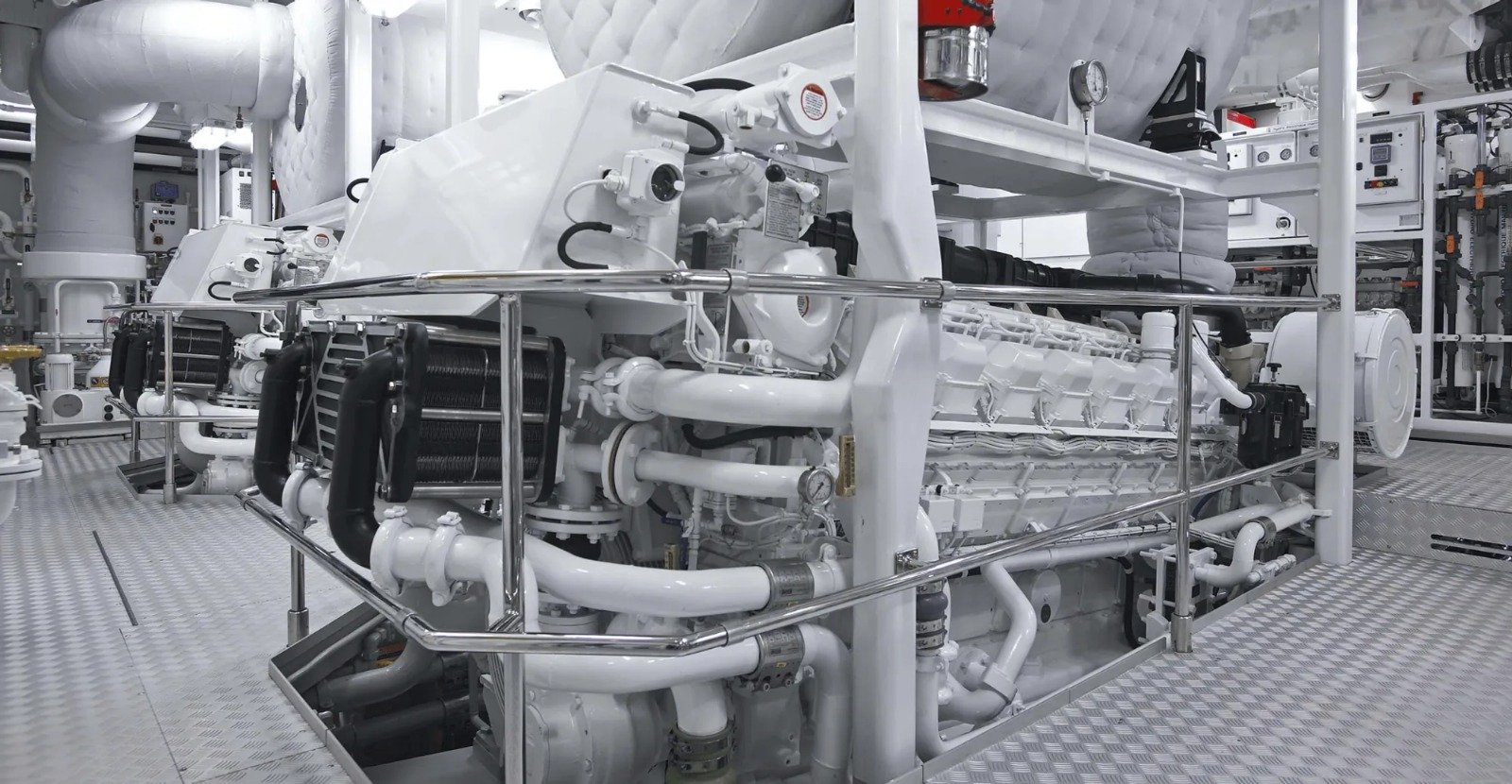
In the modern world, sustainability has become more than a trend; it is a necessity. Businesses and households alike are seeking ways to reduce their environmental footprint while maintaining efficiency and comfort. One area that has seen significant advancement is refrigeration. Traditional refrigeration systems often rely on synthetic refrigerants that contribute to ozone depletion and global warming. As a response, refrigeration equipment with natural refrigerants has emerged as an eco-friendly and efficient alternative, offering numerous environmental and operational benefits.
Understanding Natural Refrigerants
Natural refrigerants are substances that occur in the environment and can be used in cooling systems without causing significant harm to the atmosphere. Unlike synthetic refrigerants such as hydrofluorocarbons (HFCs), which have high global warming potential (GWP), natural refrigerants have minimal environmental impact. The most common types of natural refrigerants include ammonia (NH3), carbon dioxide (CO2), hydrocarbons like propane (R290) and isobutane (R600a), and water.
Ammonia has been used for over a century in industrial refrigeration and is known for its high energy efficiency. CO2, once considered impractical due to high operating pressures, has gained popularity due to advancements in technology and its low environmental impact. Hydrocarbons are suitable for small commercial applications, such as refrigerators and freezers, and provide excellent energy efficiency. Water, though less common, can be utilized in absorption refrigeration systems.
Benefits of Refrigeration Equipment with Natural Refrigerants
Switching to refrigeration equipment with natural refrigerants brings several advantages beyond environmental benefits. One of the primary benefits is energy efficiency. Natural refrigerants often require less energy to achieve the same cooling effect compared to their synthetic counterparts, resulting in lower operating costs. For businesses, this translates to reduced electricity bills and a smaller carbon footprint.
Another significant advantage is safety and regulatory compliance. Many synthetic refrigerants are being phased out due to international agreements such as the Kigali Amendment to the Montreal Protocol, which targets the gradual reduction of HFCs. By using natural refrigerants, companies not only comply with current regulations but also future-proof their operations against upcoming restrictions.
Additionally, natural refrigerants have minimal ozone depletion potential (ODP) and very low GWP. This characteristic makes them a preferred choice for environmentally conscious organizations and individuals seeking to reduce greenhouse gas emissions.
Applications in Commercial and Industrial Settings
Refrigeration equipment with natural refrigerants is suitable for a wide range of applications. In commercial settings, supermarkets, convenience stores, and restaurants are increasingly adopting CO2 or hydrocarbon-based refrigeration systems. These systems can efficiently maintain low temperatures for perishable goods while reducing energy consumption.
In industrial settings, ammonia-based refrigeration is widely used in cold storage warehouses, food processing plants, and chemical industries. Ammonia systems are highly efficient for large-scale cooling applications, providing reliable performance and cost savings over time. CO2 transcritical systems are also gaining traction for industrial use, particularly in regions with moderate to high ambient temperatures, due to their adaptability and environmental advantages.
The versatility of natural refrigerants allows them to be tailored to specific requirements, making them suitable for both small and large-scale operations.
Design Considerations for Eco-Friendly Systems
When transitioning to refrigeration equipment with natural refrigerants, several design considerations must be taken into account. First, safety is paramount. Ammonia is toxic at high concentrations, and hydrocarbons are flammable, requiring proper containment, ventilation, and leak detection systems. CO2 operates at high pressures, necessitating robust components and precise engineering.
Second, system efficiency depends on proper design and maintenance. For instance, CO2 systems require advanced compressors and heat exchangers to handle transcritical cycles efficiently. Ammonia systems must be designed to minimize leaks and optimize energy use. By selecting the appropriate refrigerant and designing the system carefully, businesses can maximize efficiency and longevity.
Lastly, integrating smart controls and monitoring technology enhances performance. Modern refrigeration equipment can use sensors and automation to optimize temperature, reduce energy consumption, and alert operators to potential issues, ensuring reliability and sustainability.
Environmental and Economic Impacts
Adopting refrigeration equipment with natural refrigerants contributes significantly to environmental conservation. Reducing reliance on HFCs and other high-GWP refrigerants lowers greenhouse gas emissions, helping combat climate change. The use of natural refrigerants also supports corporate social responsibility goals and promotes a positive brand image.
From an economic perspective, energy-efficient systems reduce operational costs over the lifespan of the equipment. Although the initial investment in natural refrigerant systems may be higher, the return on investment is often achieved through lower electricity bills, reduced maintenance costs, and compliance with environmental regulations.
Moreover, governments in many regions offer incentives, rebates, or tax benefits for businesses that adopt eco-friendly refrigeration solutions, further enhancing the financial appeal of natural refrigerants.
Future Trends in Refrigeration Technology
The demand for sustainable cooling solutions is expected to grow, and refrigeration equipment with natural refrigerants will play a central role in this evolution. Research and development continue to improve the efficiency, safety, and affordability of these systems. Innovations such as hybrid refrigeration systems, advanced CO2 transcritical cycles, and eco-friendly refrigerant blends are expanding the possibilities for environmentally responsible cooling.
Additionally, the integration of renewable energy sources, such as solar-powered refrigeration, is becoming more feasible. Combining natural refrigerants with renewable energy not only reduces carbon emissions but also provides energy resilience in remote or off-grid locations.
Global initiatives and regulatory frameworks are further encouraging the adoption of natural refrigerants. As more countries enforce stringent environmental standards, businesses and consumers alike are motivated to choose sustainable options, accelerating the transition to greener refrigeration technologies.
Conclusion
The shift toward refrigeration equipment with natural refrigerants represents a significant step in making cooling systems environmentally friendly and economically viable. By understanding the types of natural refrigerants, their benefits, applications, and design considerations, businesses can make informed decisions that align with sustainability goals. The advantages of reduced greenhouse gas emissions, energy efficiency, regulatory compliance, and long-term cost savings make natural refrigerants a compelling choice for the future of refrigeration.
As technology advances and environmental awareness increases, the adoption of eco-friendly refrigeration solutions is not just a responsible choice but also a strategic one. Investing in refrigeration systems that use natural refrigerants today ensures a cleaner, safer, and more sustainable tomorrow.
This shift is not only about meeting regulations or reducing costs—it’s about contributing to a healthier planet while maintaining optimal performance and reliability in cooling solutions. Embracing refrigeration equipment with natural refrigerants is a critical step toward achieving a sustainable future in both commercial and industrial sectors.