Introduction
Vehicle customization has become increasingly popular among car enthusiasts who want to improve their vehicles’ appearance, performance, and individuality. One of the most effective ways to achieve a distinctive look is by installing a body kit. From sporty front bumpers and stylish side skirts to aerodynamic spoilers and wide-body conversions, modern bodykits offer numerous options for transforming an ordinary vehicle into something unique.
The latest bodykit trends combine attractive designs with practical aerodynamic features. Whether someone owns a sports car, sedan, hatchback, or SUV, choosing the right bodykit can enhance the vehicle’s visual appeal while potentially improving airflow and stability. However, the results depend on the design, installation quality, and intended use of the vehicle.
This article explores the top bodykit trends, their benefits, popular materials, and important considerations for choosing the right upgrade.
What Is a Bodykit?
A bodykit is a collection of exterior components designed to modify a vehicle’s appearance and, in some cases, its aerodynamic performance. These components are typically installed around the front, sides, and rear of a vehicle.
Common bodykit components include:
- Front bumpers and splitters: Create a more aggressive front-end appearance and can influence airflow.
- Side skirts: Extend along the lower sides of the vehicle to create a cohesive, sporty profile.
- Rear bumpers and diffusers: Enhance the rear design and may help manage airflow beneath the vehicle.
- Spoilers and wings: Change the vehicle’s appearance and can provide aerodynamic benefits when properly designed.
- Wide-body fenders: Give the vehicle a broader stance and may accommodate wider wheels when correctly engineered.
Bodykits are available in different styles, ranging from subtle factory-inspired upgrades to dramatic racing-inspired transformations.
Top Bodykit Trends for Modern Vehicles
1. Aggressive Aerodynamic Bodykits
Aerodynamic bodykits remain a popular choice among enthusiasts who prefer a sporty and performance-inspired appearance. These kits often feature sharp front splitters, sculpted side skirts, rear diffusers, and prominent spoilers.
The primary purpose of aerodynamic components is to manage how air moves around and underneath a vehicle. Properly engineered designs may reduce aerodynamic drag or generate additional downforce, depending on the component and driving conditions.
However, not every bodykit improves performance. Decorative parts may provide little aerodynamic benefit, while poorly designed additions can increase drag or negatively affect stability. Buyers should consider tested designs rather than relying solely on appearance.
2. Wide-Body Kits
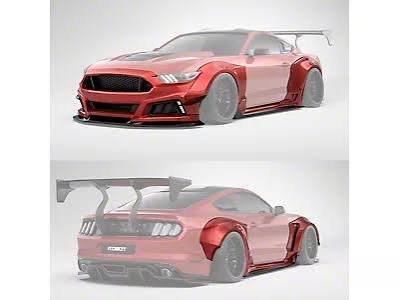
Wide-body kits have gained attention for their bold styling and muscular proportions. They generally include extended fenders, redesigned bumpers, and additional bodywork that makes a vehicle appear wider.
This trend is particularly popular among sports cars and modified performance vehicles. A wider body can also create space for wider wheels and tires, provided the suspension, wheel offset, tire clearance, and overall fitment are properly planned.
Wide-body conversions require careful installation because incorrect fitment can cause tire rubbing, uneven panel gaps, or problems with wheel coverage. Professional installation is often worthwhile for complex conversions.
3. OEM-Plus Bodykits
OEM-plus styling focuses on improving a vehicle without making it look excessively modified. The term refers to upgrades that maintain the original manufacturer’s design language while adding subtle enhancements.
Typical features include discreet front lips, refined side skirts, small rear spoilers, and carefully matched bumper accessories.
This trend appeals to drivers who want a premium, factory-inspired finish. It can also be a practical option for everyday vehicles because the modifications are generally less dramatic than full wide-body conversions.
OEM-plus bodykits are especially suitable for people who value understated styling, everyday usability, and a coordinated exterior design.
4. Carbon Fiber Bodykit Components
Carbon fiber is widely associated with high-performance vehicles because it offers a strong structure at a relatively low weight. It is frequently used for mirror covers, spoilers, front splitters, and other exterior components.
Carbon fiber bodykits attract enthusiasts who want a performance-oriented appearance without adding unnecessary weight. Nevertheless, the actual weight savings depend on the component and the material used in the original part.
High-quality carbon fiber components can be expensive, and buyers should check the product’s construction, protective finish, and compatibility before purchasing. Some products advertised with a carbon-fiber appearance use decorative finishes rather than genuine carbon fiber.
5. Street-Style Bodykits
Street-style bodykits emphasize individuality through bold shapes, distinctive bumpers, extended side skirts, and customized rear designs. They are often chosen by drivers who participate in car shows or enjoy building personalized vehicles.
These kits provide considerable freedom to combine colors, finishes, and accessories. Some drivers choose contrasting accents, while others prefer body-colored components for a seamless appearance.
When selecting a street-style kit, it is important to maintain a balanced design. Combining too many unrelated elements can make the vehicle look inconsistent. A coordinated selection of components usually produces a more polished result.
6. Electric Vehicle Bodykits
Electric vehicles have introduced new opportunities for exterior customization. Many EV bodykits focus on smooth surfaces, clean lines, and understated aerodynamic styling.
Because aerodynamic drag affects energy consumption and driving range, aerodynamic modifications may be particularly relevant to electric vehicles. However, the actual impact depends on the complete vehicle design, speed, and testing conditions.
EV owners should choose accessories that preserve cooling requirements, sensors, cameras, charging access, and driver-assistance systems. Any modification that interferes with these features should be avoided.
7. Custom-Fit and 3D-Designed Bodykits
Advances in digital design and manufacturing have made it easier to develop bodykits tailored to specific vehicle models.
Computer-aided design, digital scanning, and modern manufacturing methods can help manufacturers achieve more accurate shapes and panel alignment. Some custom projects also use 3D printing to create prototypes or specialized accessories.
Custom-fit kits can offer a more integrated appearance than universal parts. Nevertheless, the quality of the design, materials, and production process remains essential.
Benefits of Installing a Bodykit
Improved Visual Appeal
The most immediate benefit of a bodykit is the change in exterior styling. Updated bumpers, side skirts, spoilers, and diffusers can make a vehicle look sportier, more luxurious, or more distinctive.
Drivers can select designs that match their personal preferences without necessarily changing the vehicle’s mechanical systems.
Potential Aerodynamic Improvements
Some bodykits are engineered to improve airflow, reduce drag, or increase downforce. These improvements can be valuable for vehicles driven at higher speeds or used in motorsport.
However, aerodynamic performance depends on the entire vehicle, not just individual components. Buyers should look for credible testing data when performance is a priority.
Personalization
Bodykits make it possible to create a vehicle that reflects individual taste. Owners can select subtle styling accessories or more comprehensive conversions depending on their budget and objectives.
A carefully planned design can distinguish a vehicle while maintaining a consistent appearance.
Possible Protection for Certain Areas
Some components, such as front lips and bumper accessories, may provide limited protection against minor contact with road surfaces. However, they are not substitutes for proper protective equipment and can be damaged themselves.
Ground clearance should always be considered before installing low-mounted parts.
Choosing the Right Bodykit Material
Material selection affects cost, weight, durability, finish, and installation requirements.
ABS plastic: Commonly used for aftermarket bumpers and exterior accessories. It can provide a useful balance of flexibility, durability, and affordability.
Fiberglass: Often used for custom and wide-body components because it can be molded into complex shapes. However, it may crack under certain impacts and usually requires careful fitting and finishing.
Polyurethane: Frequently valued for its flexibility and ability to withstand minor impacts, although product quality varies.
Carbon fiber: Offers an attractive performance-oriented finish and can reduce weight in suitable applications, but usually comes at a higher price.
Before purchasing, compare the manufacturer’s specifications, warranty, finish quality, and expected maintenance requirements.
Important Factors to Consider Before Buying
Vehicle Compatibility
Always confirm that the bodykit is designed for the exact vehicle make, model, year, and trim. Even similar versions of the same car may have different bumper shapes, mounting points, or sensor locations.
Installation Quality
Professional installation can help ensure correct alignment, secure mounting, and a clean finish. Some kits require drilling, trimming, painting, or other modifications, so buyers should understand the complete installation process before ordering.
Budget and Maintenance
The purchase price is only one part of the overall cost. Installation, painting, replacement clips, repairs, and future maintenance can increase the total expense.
Choosing a suitable kit within a realistic budget is generally better than selecting a complicated design that is difficult to maintain.
Road Safety and Local Regulations
Bodykit modifications should comply with applicable vehicle regulations. Components must not obstruct headlights, indicators, number plates, cameras, or other essential equipment.
Drivers should also consider ground clearance, pedestrian safety, tire coverage, and the possibility of sharp or protruding edges. Check local requirements before making substantial modifications.
How to Maintain Your Bodykit
Regular maintenance helps preserve the appearance and condition of aftermarket components.
Wash bodykit parts using suitable automotive cleaning products and a soft cloth. Avoid harsh chemicals that may damage painted surfaces or protective coatings.
Inspect mounting points, fasteners, and panel alignment periodically, especially after driving on uneven roads. Address loose components promptly, and repair chips or cracks before they become more serious.
Carbon fiber and painted surfaces may require specific care depending on their finish. Following the manufacturer’s maintenance recommendations can help extend their service life.
Conclusion
Modern bodykit trends offer many ways to upgrade a vehicle’s appearance, from aggressive aerodynamic styling and wide-body conversions to subtle OEM-plus designs and lightweight carbon fiber components. Custom-fit options and EV-focused designs are also expanding the possibilities for vehicle personalization.
The best bodykit is one that suits the vehicle, fits the owner’s budget, and supports their intended use. Although certain professionally engineered kits can provide aerodynamic benefits, appearance-focused modifications do not automatically improve performance.
By considering material quality, vehicle compatibility, installation, maintenance, and road regulations, drivers can make informed decisions and achieve a more distinctive, practical, and well-finished vehicle upgrade.