Introduction
Sponge cake is one of the most popular baked desserts in the world, loved for its soft texture, delicate flavor, and light, airy structure. Whether served at birthday parties, weddings, family gatherings, or afternoon tea, this classic cake offers a simple yet delicious experience. Its versatility makes it suitable for many occasions, from everyday treats to beautifully decorated celebration cakes.
Unlike some rich cakes that depend heavily on butter, cream, or dense mixtures, traditional sponge cake often relies on whipped eggs to create its characteristic lightness. With the right ingredients and baking techniques, it is possible to prepare a cake that feels tender, rises evenly, and pairs perfectly with different fillings and toppings.
Understanding the ingredients, preparation methods, and baking process can help beginners and experienced bakers achieve excellent results. This guide explores everything you need to know about sponge cake, including its history, popular varieties, essential baking tips, and creative serving ideas.
What Is Sponge Cake?
Sponge cake is a type of cake known for its airy crumb and soft consistency. Its structure usually comes from air incorporated into eggs during mixing. When the cake enters the oven, the trapped air expands, helping the batter rise and develop a light texture.
Traditional recipes commonly include eggs, sugar, and flour. Some variations contain butter, oil, milk, baking powder, or other ingredients to adjust the flavor and texture. The exact recipe depends on the style of sponge cake being prepared.
One of the main characteristics of this dessert is its ability to absorb flavors without becoming excessively heavy. This makes it an excellent base for fruit, chocolate, whipped cream, custard, and flavored syrups.
Sponge cake can be enjoyed plain with a light dusting of powdered sugar or transformed into an elaborate layered dessert. Its simple foundation allows bakers to experiment with different ingredients and decorations.
A Brief History of Sponge Cake
The history of sponge cake is connected to the development of European baking traditions. Early versions became popular as bakers discovered that incorporating air into eggs could create lighter baked products.
Over time, improvements in ovens, baking equipment, and ingredient availability helped sponge cake recipes evolve. Different regions developed their own versions, adjusting the ingredients and techniques to suit local tastes.
Today, sponge cake appears in countless forms around the world. British-style sponge cakes are often layered with jam and cream, while Japanese sponge cakes are celebrated for their delicate softness. Italian sponge cake, known as pan di Spagna, is frequently used as a foundation for layered desserts and celebration cakes.
Although these varieties differ in preparation and serving style, they share a common appreciation for a tender crumb and balanced flavor.
Essential Ingredients for Sponge Cake
Choosing the right ingredients is an important step toward achieving a successful sponge cake.
Eggs
Eggs are essential because they provide structure, moisture, and the air that helps the cake rise. In many traditional recipes, eggs are beaten with sugar until the mixture becomes pale, thick, and noticeably increased in volume.
Fresh eggs at a suitable temperature can be easier to incorporate into a smooth, well-aerated batter, depending on the recipe.
Flour
Flour gives the cake its structure. Cake flour produces a particularly tender crumb because of its relatively low protein content, while all-purpose flour can also work well when measured and mixed carefully.
Sifting flour helps remove lumps and makes it easier to fold into the egg mixture without losing too much air.
Sugar
Sugar adds sweetness while helping stabilize whipped eggs. It also contributes to browning and influences the finished cake’s texture.
Fine granulated sugar is often useful because it dissolves more readily during mixing.
Butter or Oil
Some sponge cake recipes include melted butter or oil to create a richer flavor and a softer mouthfeel. However, many traditional sponge recipes contain little or no added fat.
When using melted butter, it should generally be incorporated gently so that the batter does not lose too much volume.
Baking Powder
Certain sponge cake recipes use baking powder as additional support for rising. Others depend mainly on air incorporated during egg beating. The choice depends on the particular recipe and desired result.
How to Make a Simple Sponge Cake
Preparing sponge cake at home does not require complicated equipment. Following a few important steps can make the process easier and more reliable.
Step 1: Prepare the Ingredients
Measure all ingredients before beginning. Prepare the cake tin by greasing it or lining it with baking parchment according to the recipe. Preheat the oven to the recommended temperature.
Accurate measurements are especially important because sponge cake depends on a balanced relationship between its ingredients.
Step 2: Beat the Eggs and Sugar
Place the eggs and sugar in a mixing bowl. Beat them until the mixture becomes pale, thick, and fluffy.
This stage helps incorporate the air needed for a light texture. Depending on the recipe and equipment, the process may take several minutes.
Step 3: Fold in the Flour
Sift the flour and gradually fold it into the egg mixture using a spatula. Use gentle movements, lifting the batter from the bottom of the bowl and turning it over.
Avoid vigorous stirring because it can remove the air that gives sponge cake its characteristic texture.
Step 4: Transfer the Batter
Pour the batter into the prepared tin and gently level the surface. Avoid repeatedly tapping or shaking the tin, as excessive handling may reduce the batter’s volume.
Place the tin in the preheated oven.
Step 5: Bake Until Ready
Bake according to the recipe’s recommended temperature and time. Avoid opening the oven door too early because a sudden temperature change can affect the cake’s rise.
The cake is generally ready when its surface is lightly golden, the centre springs back gently when touched, and a toothpick inserted into the middle comes out clean or with a few dry crumbs.
Step 6: Cool Before Decorating
Allow the cake to cool as directed by the recipe before removing it from the tin. Let it cool completely before adding cream, frosting, or other temperature-sensitive toppings.
Cooling helps the cake maintain its structure and makes slicing easier.
Popular Types of Sponge Cake
Sponge cake comes in several varieties, each offering a slightly different eating experience.
Classic Vanilla Sponge Cake
Vanilla sponge cake is a timeless option with a delicate aroma and mild sweetness. It pairs well with strawberry jam, whipped cream, fresh fruit, or buttercream frosting.
Because of its adaptable flavor, it is frequently used for birthday cakes and afternoon tea.
Chocolate Sponge Cake
Chocolate sponge cake combines the airy structure of sponge with the rich taste of cocoa. Depending on the recipe, it can be served with chocolate ganache, chocolate cream, or fresh berries.
Cocoa powder should be measured carefully because excessive amounts can make the cake dry or affect its structure.
Japanese Sponge Cake
Japanese-style sponge cakes are known for their soft, delicate texture. Some versions incorporate milk and oil, while others use carefully whipped eggs to produce a particularly tender crumb.
They are often served with fresh cream and fruit.
Victoria Sponge Cake
Victoria sponge is a traditional British favorite typically made with two cake layers filled with jam and cream or buttercream. Its simple presentation and balanced flavors make it suitable for both casual gatherings and special occasions.
Fruit Sponge Cake
Fruit sponge cake combines soft cake layers with ingredients such as strawberries, peaches, blueberries, or mangoes. Fresh fruit adds color, freshness, and a pleasant contrast to the sweetness of the cake.
Common Sponge Cake Baking Mistakes
Even a simple recipe can produce disappointing results if certain techniques are overlooked.
Overmixing the batter: Mixing too aggressively after adding flour can remove the air responsible for a light texture. Fold ingredients gently instead.
Incorrect measurements: Too much flour or sugar can change the cake’s structure. Use a kitchen scale when possible for consistent results.
Opening the oven too early: Early temperature changes may cause the cake to collapse before its structure sets.
Using an unsuitable oven temperature: Excessive heat can brown the outside before the centre cooks, while insufficient heat may prevent proper rising.
Removing the cake too soon: Cutting or handling a hot sponge can damage its delicate structure. Allow adequate cooling time.
Adding heavy toppings too early: Cream and frosting should generally be added after the cake has cooled completely.
Creative Ways to Serve Sponge Cake
One reason sponge cake remains popular is its flexibility. A plain sponge can become an impressive dessert with only a few additions.
Serve slices with fresh strawberries and lightly whipped cream for a refreshing treat. Add lemon zest and a thin layer of lemon curd for a bright, citrus-inspired flavor. For chocolate lovers, use cocoa-flavored sponge with chocolate ganache or a smooth chocolate filling.
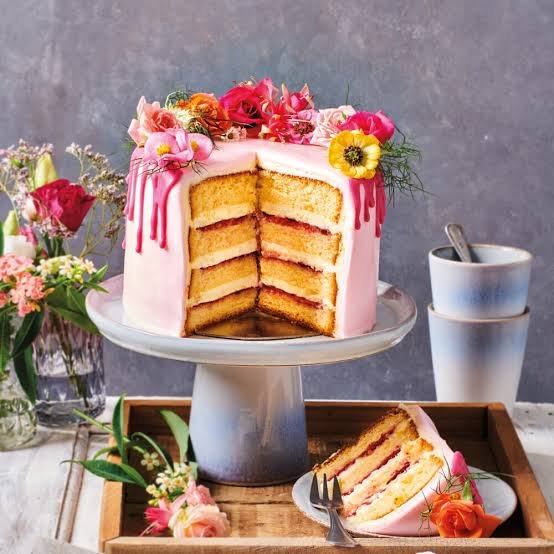
You can also create layered desserts by cutting the cake horizontally and adding jam, custard, or cream between the layers. For a summer gathering, combine sponge cake with seasonal fruit and chilled cream.
For a simple afternoon snack, serve a plain slice with tea, coffee, or warm milk. These combinations allow the cake’s delicate flavor to remain the main attraction.
How to Store Sponge Cake
Proper storage helps preserve the cake’s freshness and texture.
An undecorated sponge cake can usually be stored in an airtight container at room temperature for a short period, provided the environment is suitable and the recipe permits it. Keep it away from direct sunlight and sources of heat.
Cakes containing whipped cream, custard, cream cheese, or other perishable fillings should be refrigerated promptly. Cover them carefully to prevent drying and absorption of other food odors.
For longer storage, an undecorated sponge can often be wrapped securely and frozen. Thaw it while wrapped to help retain moisture. Add fresh toppings after thawing when possible.
Conclusion
Sponge cake is a classic dessert that combines simplicity, versatility, and a wonderfully light texture. From traditional vanilla and chocolate varieties to fruit-filled creations and elegant layered cakes, it offers countless possibilities for home bakers.
The secret to a successful sponge cake lies in accurate measurements, properly beaten eggs, gentle folding, suitable oven temperatures, and sufficient cooling time. By understanding these fundamentals, beginners can develop their baking skills while experienced bakers can experiment with new flavors and presentations.
Whether you prepare it for a celebration or enjoy a simple slice with tea, sponge cake remains a delicious choice for almost any occasion. With quality ingredients and careful preparation, this timeless dessert can bring homemade flavor and enjoyment to every table.