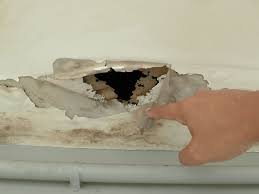
What Happens When Water Damage Occurs in Your Property
When severe water damage affects a home or business, the situation can escalate quickly from a minor inconvenience to a major financial and structural problem. Water damage can come from burst pipes, flooding, roof leaks, sewage backups, or appliance failures. No matter the source, the impact is often the same: ruined flooring, damaged walls, weakened foundations, and destroyed personal belongings.
In many cases, homeowners are not fully prepared for the scale of water damage and the complicated process of filing an insurance claim afterward. Understanding how insurance claims work in water damage situations is essential to ensure you receive fair compensation and avoid unnecessary delays.
Understanding Your Insurance Coverage for Water Damage
Before filing a claim, it is important to understand what your insurance policy actually covers when it comes to water damage. Most standard homeowners insurance policies cover sudden and accidental water damage, such as a pipe bursting or a washing machine overflowing.
However, not all water damage situations are treated equally. Insurance companies often differentiate between sudden water damage and gradual damage. For example, slow leaks that have been ignored over time may not be covered because they are considered maintenance issues.
Flood-related water damage is another important distinction. In many cases, flood damage is not included in standard policies and requires separate flood insurance. This is a critical detail that many homeowners only discover after experiencing severe water damage.
Immediate Steps to Take After Water Damage Occurs
When water damage happens, time is extremely important. The faster you act, the better your chances of minimizing losses and improving your insurance claim outcome.
The first step is to ensure safety. If the water damage involves electrical hazards, you should turn off the power supply if it is safe to do so. Next, stop the source of water if possible, such as shutting off the main water valve.
After that, document everything. Take clear photos and videos of all water damage areas, including furniture, flooring, walls, and personal belongings. This documentation will serve as key evidence for your insurance claim.
It is also important to contact a professional water restoration service quickly. Insurance companies often expect homeowners to take reasonable steps to prevent further water damage after the incident occurs.
Filing an Insurance Claim for Water Damage
Once the immediate situation is under control, the next step is filing an insurance claim. This process typically begins by contacting your insurance company and reporting the water damage incident.
You will be asked to provide details such as when the water damage occurred, the cause of the damage, and the extent of the loss. This is where your documentation becomes extremely valuable.
After filing the claim, an insurance adjuster will usually visit your property to assess the water damage. Their job is to determine whether the damage is covered under your policy and estimate the cost of repairs.
It is important to be present during the inspection if possible. You should also provide all evidence of water damage, including repair estimates from restoration companies, receipts, and photos.
Common Challenges in Water Damage Insurance Claims
Many homeowners face challenges when dealing with water damage insurance claims. One of the most common issues is claim denial. Insurance companies may deny claims if they believe the water damage was caused by neglect or lack of maintenance.
Another challenge is underpayment. In some cases, the insurance company may approve the claim but offer a settlement that does not fully cover the cost of repairing the water damage. This often happens when hidden damage is not properly assessed.
Delays are also common in water damage claims. Because water damage can be extensive and complex, insurance companies may take time to investigate and process the claim, leaving homeowners waiting for compensation.
How to Strengthen Your Water Damage Insurance Claim
To improve your chances of a successful insurance claim, documentation is key. The more evidence you have of the water damage, the stronger your case will be. Keep records of everything, including communication with your insurance company and repair professionals.
Hiring a professional water damage restoration company can also help strengthen your claim. These experts can provide detailed reports on the extent of the damage and the necessary repairs, which can support your insurance claim.
It is also important to understand your policy limits and coverage details. Knowing what is and is not covered will help you avoid surprises during the claims process.
The Role of Water Damage Restoration Professionals
Water damage restoration professionals play a crucial role in both recovery and insurance claims. Their job is to remove standing water, dry affected areas, prevent mold growth, and restore damaged structures.
In severe water damage situations, these professionals use specialized equipment such as industrial dryers, moisture meters, and dehumidifiers to ensure the property is fully restored.
Their reports are often used by insurance companies to verify the extent of water damage and determine repair costs. This makes them an important part of the claims process.
Preventing Future Water Damage Issues
While insurance can help recover losses, preventing water damage in the first place is always the best approach. Regular maintenance of plumbing systems, roofs, and appliances can significantly reduce the risk of future water damage.
Installing water leak detectors and sump pumps can also provide early warnings and protection against severe water damage situations.
Homeowners should also ensure proper drainage around the property to prevent water accumulation during heavy rainfall.
Final Thoughts on Water Damage Insurance Claims
Dealing with water damage is stressful, especially when it affects your home or business on a large scale. Understanding how insurance claims work in water damage situations can make the process more manageable and less overwhelming.
From documenting losses to working with adjusters and restoration experts, every step plays a role in ensuring you receive fair compensation. The key is to act quickly, stay organized, and understand your policy coverage.