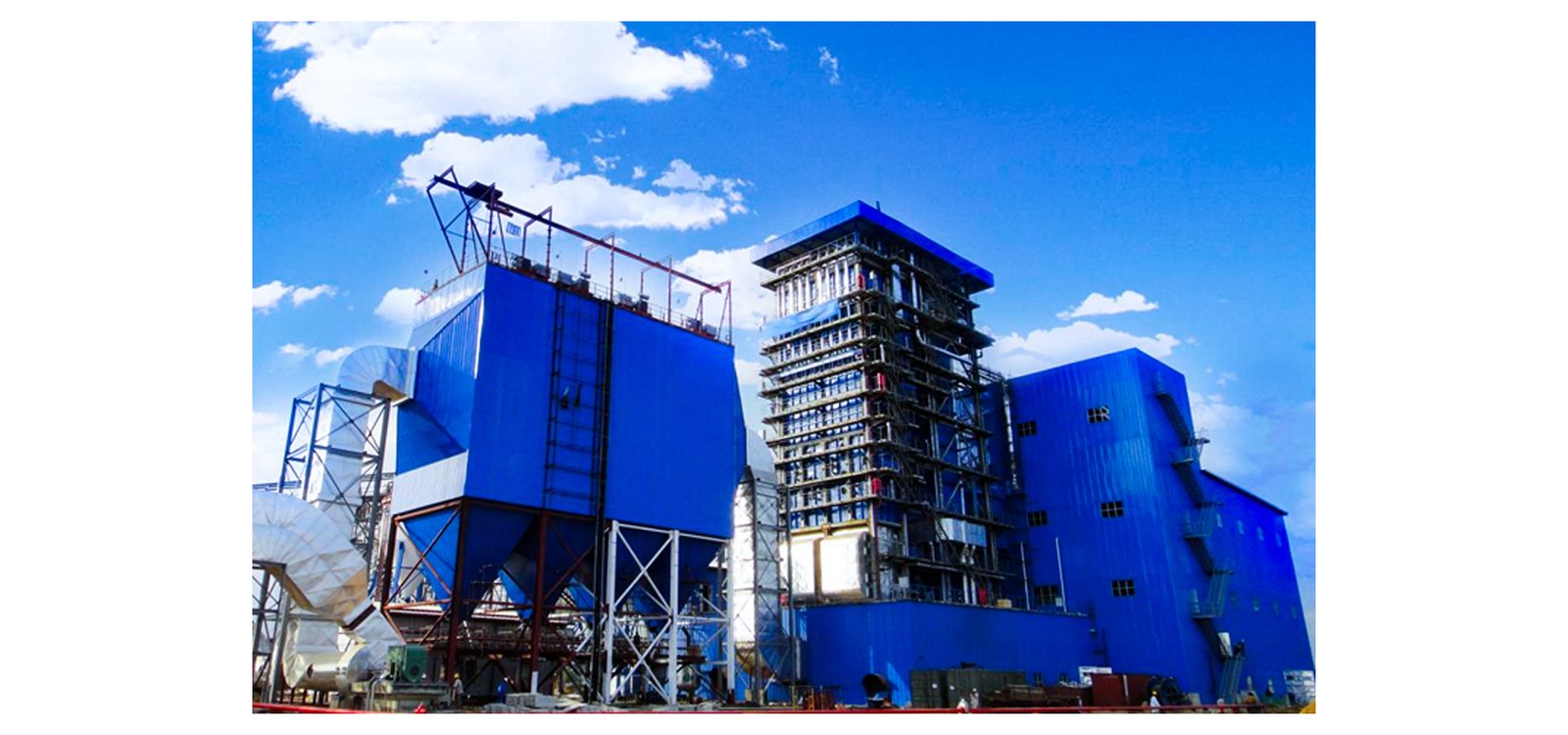
Coal remains one of the most widely used energy sources for electricity generation across the globe. Despite the growing share of renewable energy, coal-fired facilities continue to supply reliable baseload power for industries and communities. To ensure long-term efficiency, safety, and environmental compliance, optimizing coal-fired power plant equipment installation is critical. Proper planning, precision engineering, and strategic execution during installation directly impact plant performance, operational costs, and equipment lifespan.
This article explores proven strategies to enhance performance through effective coal-fired power plant equipment installation, focusing on technical planning, quality control, safety measures, and long-term reliability.
Understanding the Importance of Proper Installation
The installation phase is the foundation of a coal-fired power plant’s lifecycle. From boilers and turbines to generators and emission control systems, each component must be installed with precision to ensure seamless integration.
Improper coal-fired power plant equipment installation can result in:
- Reduced thermal efficiency
- Increased maintenance costs
- Frequent unplanned shutdowns
- Safety hazards
- Environmental compliance issues
Because coal power plants operate under high temperatures and pressures, even minor misalignments or installation errors can lead to significant operational challenges. Therefore, installation is not merely a construction activity but a performance-critical process.
Strategic Planning Before Installation
Comprehensive Site Assessment
Before starting coal-fired power plant equipment installation, a detailed site assessment is essential. Engineers must evaluate:
- Soil stability and foundation requirements
- Environmental conditions
- Access to transportation routes
- Availability of utilities and water supply
The structural foundation must support heavy components such as boilers, steam turbines, and generators. Any oversight at this stage can compromise long-term stability and performance.
Detailed Engineering and Design Review
Proper integration of mechanical, electrical, and control systems begins with a thorough design review. This ensures that:
- Equipment specifications match plant output goals
- Layout minimizes energy losses
- Piping and ducting are optimally routed
- Maintenance accessibility is incorporated
Using advanced modeling tools such as 3D design software and Building Information Modeling (BIM) enhances accuracy during coal-fired power plant equipment installation.
Precision in Boiler Installation
The boiler is the heart of a coal-fired power plant. It converts chemical energy into steam energy, which drives the turbine.
Alignment and Structural Integrity
Boiler components, including water walls, superheaters, economizers, and air preheaters, must be aligned with millimeter-level precision. Structural supports must accommodate thermal expansion and contraction during operation.
Improper installation may lead to:
- Tube leakage
- Reduced heat transfer efficiency
- Increased fuel consumption
Strict quality control during coal-fired power plant equipment installation ensures optimal combustion efficiency and safe operation.
Combustion System Setup
Burners, coal feeders, pulverizers, and air supply systems must be calibrated carefully. Correct airflow balance and fuel feed alignment are crucial to achieving efficient combustion and minimizing emissions.
Turbine and Generator Installation Best Practices
Steam turbines and generators convert thermal energy into electrical energy. Their performance depends heavily on installation precision.
Shaft Alignment and Vibration Control
Even slight misalignment between turbine and generator shafts can cause vibration, bearing wear, and mechanical failure. Laser alignment tools are commonly used during coal-fired power plant equipment installation to ensure perfect coupling.
Vibration monitoring systems should also be installed at this stage to enable predictive maintenance.
Foundation Grouting and Anchoring
Proper grouting under turbine bases enhances load distribution and reduces vibration. High-strength grout materials help maintain stability under dynamic loads.
Accurate anchoring ensures long-term operational reliability and reduces maintenance frequency.
Optimizing Auxiliary Equipment Installation
Beyond boilers and turbines, auxiliary systems play a critical role in overall plant efficiency.
Coal Handling Systems
Coal conveyors, crushers, feeders, and storage silos must be installed with careful alignment to avoid spillage and mechanical stress. Efficient coal flow reduces downtime and operational disruptions.
Precision during coal-fired power plant equipment installation ensures smooth fuel supply and consistent boiler performance.
Cooling Systems
Cooling towers, condensers, and circulating water pumps require exact positioning and piping alignment. Proper sealing and insulation prevent heat losses and improve thermal efficiency.
Incorrect installation of cooling systems can reduce plant output and increase operational costs.
Emission Control Systems
Modern coal plants rely on flue gas desulfurization (FGD), electrostatic precipitators (ESP), and selective catalytic reduction (SCR) systems to meet environmental standards.
During coal-fired power plant equipment installation, emission control components must be:
- Properly sealed to prevent gas leakage
- Correctly aligned with flue gas ducts
- Calibrated for optimal pollutant removal
Efficient installation enhances environmental compliance and protects surrounding communities.
Electrical and Control System Integration
Reliable power generation requires seamless electrical integration.
Cable Management and Protection
Proper cable routing, insulation, and labeling reduce electrical faults and simplify maintenance. Cables should be protected from heat exposure and mechanical damage.
Effective planning during coal-fired power plant equipment installation minimizes risks of short circuits and power interruptions.
Automation and Control Systems
Modern plants use Distributed Control Systems (DCS) for real-time monitoring and control. During installation:
- Sensors must be accurately positioned
- Control panels properly configured
- Communication networks thoroughly tested
Automation enhances efficiency, reduces human error, and improves plant responsiveness.
Quality Assurance and Inspection Protocols
A robust quality assurance program is essential during coal-fired power plant equipment installation.
Inspection and Testing
Key tests include:
- Non-destructive testing (NDT) for weld integrity
- Hydrostatic testing for boiler pressure systems
- Electrical insulation resistance testing
- Alignment verification tests
These procedures ensure all components meet safety and performance standards before commissioning.
Documentation and Compliance
Maintaining detailed installation records supports future maintenance and regulatory compliance. Proper documentation also assists in troubleshooting and performance analysis.
Safety Strategies During Installation
Safety is a top priority in coal-fired power plant equipment installation due to heavy lifting, high elevations, and hazardous materials.
Worker Training and Certification
All personnel should receive specialized training in:
- Equipment handling
- Electrical safety
- Confined space operations
- Fire prevention measures
Proper training reduces accident risks and enhances overall project efficiency.
Rigging and Lifting Planning
Heavy components such as boilers and turbines require precise lifting plans. Load calculations, crane selection, and safety checks must be conducted carefully to prevent structural damage or injuries.
Commissioning and Performance Optimization
Installation does not end with mechanical completion. Commissioning ensures that all systems operate as designed.
Pre-Operational Testing
Cold and hot commissioning tests verify:
- Steam pressure stability
- Turbine rotational speed
- Generator output consistency
- Emission control efficiency
Thorough commissioning validates the effectiveness of coal-fired power plant equipment installation and ensures smooth plant startup.
Performance Monitoring and Fine-Tuning
After initial operation, performance data should be analyzed to optimize:
- Combustion efficiency
- Heat rate performance
- Auxiliary power consumption
Continuous improvement strategies help maximize return on investment and extend equipment lifespan.
Leveraging Advanced Technologies
Modern technology enhances coal-fired power plant equipment installation and operational performance.
Digital Twin Technology
Digital replicas of equipment allow engineers to simulate installation procedures and operational scenarios before physical implementation. This reduces installation errors and improves decision-making.
Predictive Maintenance Systems
Sensors installed during coal-fired power plant equipment installation enable real-time monitoring of vibration, temperature, and pressure. Predictive maintenance reduces downtime and enhances reliability.
Conclusion
Optimizing performance in coal-fired power plants begins with meticulous coal-fired power plant equipment installation. From site preparation and boiler alignment to turbine precision and control system integration, every installation step influences long-term efficiency, safety, and environmental compliance.
By implementing strategic planning, rigorous quality assurance, advanced technology integration, and thorough commissioning processes, power plant operators can maximize reliability and operational output. Effective coal-fired power plant equipment installation is not merely a construction task—it is a strategic investment in performance optimization and sustainable energy production.