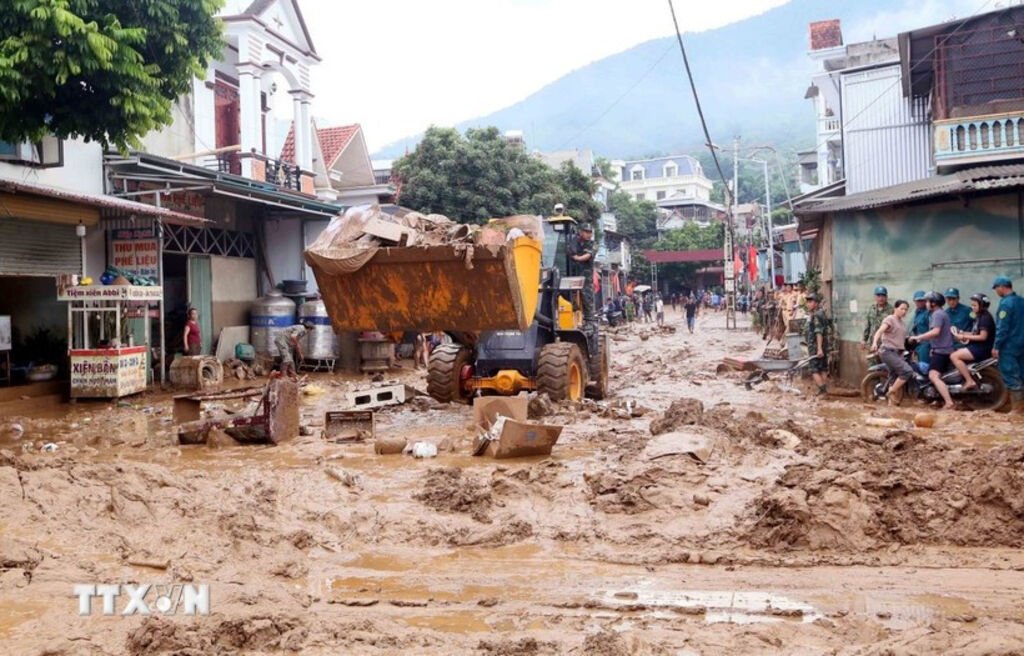
Water damage can affect a building quickly, whether it results from a burst pipe, leaking roof, flooding, appliance failure, or severe weather. What may initially appear to be a small amount of water can spread through floors, walls, ceilings, and insulation, creating problems that become more expensive when left untreated. Professional water restoration provides a structured approach to removing water, drying affected areas, repairing damage, and helping return the property to a safe and functional condition.
Rapid Response Helps Limit Property Damage
One of the most important advantages of professional water restoration is the ability to respond quickly. Water can continue moving through porous materials long after the original source has been stopped. Carpeting, drywall, wood, insulation, and flooring can absorb moisture, allowing damage to spread beyond the visibly affected area.
Professional restoration teams use specialized equipment and established procedures to identify where moisture has traveled. By beginning extraction and drying as soon as possible, they can help reduce the amount of material that needs to be repaired or replaced.
A fast response can also prevent a relatively manageable incident from developing into a much larger restoration project.
Professional Water Extraction Removes Hidden Moisture
Simply removing standing water with household equipment may not be enough. Moisture can remain underneath flooring, behind walls, beneath cabinets, and inside other building materials.
Professional water restoration involves the use of commercial-grade extraction equipment designed to remove large amounts of water efficiently. Restoration specialists can also inspect areas that may not show obvious signs of damage.
Moisture Detection Improves Drying Accuracy
Moisture meters, thermal imaging equipment, and other inspection tools can help identify damp areas that are difficult to detect visually. This allows restoration professionals to develop a more accurate drying plan.
Thorough moisture detection is particularly important because hidden moisture can continue affecting building materials even after visible water has disappeared.
It Helps Reduce the Risk of Mold Growth
Moisture creates favorable conditions for mold growth. If wet materials remain damp for an extended period, mold can develop and spread to other areas of a building.
Professional water restoration focuses on removing moisture and drying affected spaces as efficiently as possible. Industrial air movers, dehumidifiers, and other drying equipment can help lower moisture levels in the environment and affected materials.
While water restoration does not guarantee that mold will never develop, prompt professional drying can reduce conditions that support its growth.
Protecting Structural Components
Water can affect more than furniture, carpets, and personal belongings. Prolonged exposure can damage structural materials such as wood framing, subfloors, drywall, and other components.
Wood may absorb water and change shape, while certain building materials can weaken after prolonged exposure. Professional restoration specialists evaluate the affected areas to determine the extent of the damage and identify materials that may require repair or replacement.
Early Assessment Can Prevent Larger Problems
A professional assessment can help property owners understand which areas have been affected and which restoration steps are necessary. Addressing problems early may prevent moisture-related deterioration from becoming more extensive.
This is especially valuable in buildings with multiple floors, finished basements, enclosed wall spaces, or complicated plumbing systems.
Improving Indoor Environmental Conditions
Water damage can affect indoor conditions even after standing water has been removed. Damp materials can contribute to unpleasant odors and increased humidity.
Professional drying and dehumidification can help restore more balanced indoor moisture levels. Restoration teams may also clean and treat affected surfaces when appropriate, helping improve the overall condition of the space.
A properly dried building is generally easier to return to normal use than one where moisture remains trapped in hidden areas.
Professional Equipment Makes the Process More Efficient
Homeowners may have access to fans, wet vacuums, or household dehumidifiers, but these tools may not be sufficient for significant water damage. Professional restoration companies typically use equipment designed for large-scale moisture removal.
Air movers help circulate air across wet surfaces, while commercial dehumidifiers remove moisture from the surrounding environment. Extraction equipment can remove standing water and saturated moisture more effectively than many household alternatives.
The combination of inspection, extraction, drying, and monitoring makes the restoration process more systematic.
Protecting Valuable Contents and Materials
Water can damage furniture, documents, electronics, flooring, clothing, and other belongings. Professional restoration teams may be able to identify items that can be cleaned, dried, restored, or moved to a safer location.
Early intervention is particularly important for items that are sensitive to moisture. The longer water remains in contact with certain materials, the greater the possibility of permanent damage.
Organized Contents Handling
Professional teams can help separate affected belongings based on their condition and restoration requirements. This can make the recovery process more organized while reducing unnecessary disposal of items that may still be salvageable.
Supporting a Safer Restoration Process
Water damage can create several hazards, including slippery surfaces, electrical concerns, damaged building materials, and contaminated water. Professional restoration technicians are trained to evaluate conditions and follow appropriate safety procedures.
Not all water damage is the same. Clean water from a supply line may require a different approach from water associated with sewage, flooding, or other contamination sources. Professional assessment helps determine the appropriate response.
Helping Reduce Long-Term Repair Costs
Professional water restoration represents an expense, but delaying action can potentially lead to greater costs. Persistent moisture may damage additional materials, contribute to mold problems, and increase the scope of reconstruction.
By addressing water damage promptly, property owners may reduce the likelihood of secondary damage. Early extraction and drying can help preserve materials that might otherwise require complete replacement.
The goal is not simply to remove visible water but to identify and address moisture throughout the affected area.
Helping Buildings Return to Normal
Water damage can disrupt homes, offices, retail locations, and other properties. Rooms may become unusable, business operations may be interrupted, and occupants may face considerable inconvenience.
A professional restoration process provides a clear sequence for recovery. This typically includes inspection, water removal, drying, cleaning, damage assessment, and necessary repairs or reconstruction.
Having a structured process can make it easier for property owners to understand what needs to happen at each stage.
Documentation Can Support the Restoration Process
Professional restoration companies often document affected areas, moisture conditions, equipment usage, and completed work. Detailed documentation can help property owners understand the scope of the restoration project.
When insurance coverage is involved, photographs, measurements, inventories, and service records may also be useful during the claims process. Coverage varies according to the policy and circumstances, so property owners should communicate with their insurance provider regarding applicable requirements.
Choosing Professional Water Restoration
When selecting a restoration provider, property owners should consider experience, response time, equipment, communication, and the company’s approach to moisture assessment. A reputable provider should be able to explain the restoration process clearly and identify the services required for the specific situation.
It is also important to address the source of the water whenever possible. Removing water without correcting the underlying leak or plumbing issue can allow the problem to return.
Conclusion
Professional water restoration can play an important role in recovering buildings after water damage. Rapid water extraction, detailed moisture detection, professional drying, structural assessment, cleaning, and organized contents handling can help limit secondary damage and support a more efficient recovery.
Whether the problem involves a small plumbing failure or extensive flooding, timely action matters. Professional restoration combines specialized equipment with systematic procedures to address both visible and hidden moisture. By responding quickly and thoroughly, property owners can improve the chances of preserving building materials, protecting valuable belongings, reducing prolonged moisture exposure, and returning the damaged property to a usable condition.