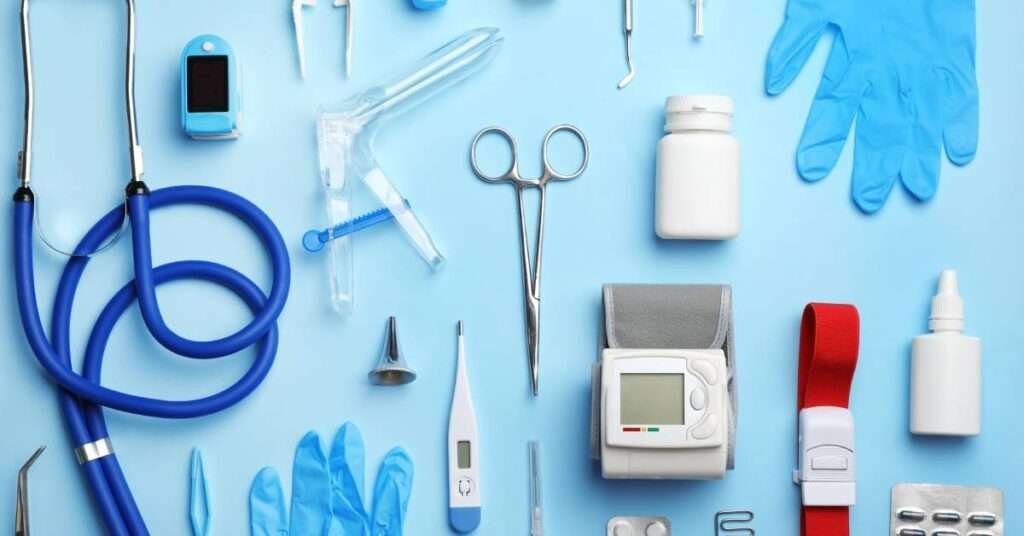
Modern clinics are evolving rapidly to meet growing patient expectations, improve diagnostic accuracy, and deliver efficient care. Whether you run a general practice, a specialty clinic, or a diagnostic center, investing in the right medical equipment is essential for quality treatment, workflow efficiency, and patient safety. The right tools not only enhance clinical outcomes but also build trust and professionalism in your healthcare facility.
Below are the top 10 must-have tools every modern clinic should consider.
Diagnostic Examination Table
An examination table is the foundation of any clinic. It provides a comfortable and adjustable surface for patient assessments, minor procedures, and physical examinations.
Modern examination tables come with features such as height adjustment, storage drawers, ergonomic padding, and easy-to-clean antimicrobial surfaces. These features improve both patient comfort and practitioner convenience. Choosing a durable and multifunctional table ensures long-term value and supports various clinical procedures.
Digital Blood Pressure Monitor
Accurate blood pressure measurement is vital for diagnosing and managing hypertension and cardiovascular conditions. A digital monitor offers fast, reliable readings and reduces human error compared to manual devices.
Many advanced models store patient data, support multiple cuff sizes, and provide irregular heartbeat detection. This makes them an essential piece of medical equipment for routine checkups and chronic disease monitoring.
Pulse Oximeter
A pulse oximeter measures oxygen saturation and pulse rate within seconds. It is especially important for respiratory assessments, emergency evaluations, and monitoring patients with asthma, COPD, or infections.
Compact, non-invasive, and easy to use, this device has become a standard tool in modern clinics. It allows clinicians to make quick decisions regarding oxygen therapy and patient referrals.
ECG Machine
An electrocardiogram (ECG) machine is crucial for detecting heart abnormalities, arrhythmias, and early signs of cardiac disease. Even small clinics benefit from having a portable ECG unit for quick cardiac screening.
Modern ECG devices are compact, wireless, and capable of storing digital records. This improves diagnostic speed and enables easy sharing of reports with specialists when needed.
Autoclave Sterilizer
Infection control is a top priority in any healthcare setting. An autoclave sterilizer ensures that surgical instruments, reusable tools, and medical supplies are properly sterilized using high-pressure steam.
This medical equipment is essential for preventing cross-contamination and maintaining hygiene standards. Clinics that perform minor surgical procedures, dental treatments, or wound care cannot operate safely without a reliable sterilization system.
Infrared Thermometer
Infrared thermometers allow contactless temperature measurement, reducing the risk of infection transmission. They provide instant readings and are ideal for high patient flow environments.
These devices became particularly important during infectious disease outbreaks and remain a staple in modern clinics due to their speed, hygiene, and ease of use.
Nebulizer Machine
A nebulizer is essential for treating patients with respiratory conditions. It converts liquid medication into a fine mist that can be inhaled directly into the lungs.
Clinics that handle pediatric care, pulmonology, or general practice benefit greatly from having a nebulizer available for immediate breathing treatments. Portable models make it easier to provide care in multiple rooms.
Glucometer
A glucometer is a must-have for monitoring blood glucose levels in diabetic patients. It enables quick testing during consultations and helps in immediate decision-making for treatment adjustments.
Modern glucometers offer digital tracking, minimal blood sample requirements, and fast results. Having this medical equipment in your clinic supports preventive care and chronic disease management.
Medical Refrigerator
Certain medications, vaccines, and biological samples require strict temperature control. A medical-grade refrigerator maintains consistent cooling and includes temperature monitoring systems.
Unlike regular refrigerators, these units are designed specifically for healthcare use, ensuring compliance with safety standards and protecting sensitive medical supplies.
Ultrasound Machine
Portable ultrasound machines have become increasingly affordable and are highly valuable for modern clinics. They assist in real-time imaging for abdominal exams, obstetrics, musculoskeletal assessments, and guided procedures.
Having an in-house ultrasound reduces referral delays, improves diagnostic speed, and enhances patient satisfaction. It also expands the range of services your clinic can offer.
Electronic Health Record (EHR) System Hardware
While often considered software, the hardware that supports electronic health records is equally important. This includes computers, tablets, secure servers, and backup systems.
Efficient digital documentation improves patient management, reduces paperwork, enhances communication, and ensures data security. Integrating EHR-compatible medical equipment also allows seamless report storage and retrieval.
Factors to Consider When Choosing Medical Equipment
Quality and Certification
Always select equipment that meets international safety and quality standards. Certified devices ensure accurate results and reduce the risk of malfunction.
Space and Portability
Modern clinics often have limited space, so compact and portable devices are ideal. Multi-functional equipment can also help maximize efficiency.
Ease of Use
User-friendly interfaces reduce training time and minimize operational errors. Devices with digital displays and automated features improve workflow.
Maintenance and Support
Reliable after-sales service, availability of spare parts, and warranty coverage are essential. Regular calibration and maintenance keep equipment functioning optimally.
Budget and Scalability
Invest in essential tools first and choose equipment that can support future expansion. Scalable solutions allow clinics to grow without frequent replacements.
Benefits of Upgrading to Modern Equipment
Upgrading your clinic with advanced medical equipment offers several advantages. It improves diagnostic accuracy, reduces patient waiting time, and enhances treatment outcomes. Modern tools also support preventive care, early detection of diseases, and better monitoring of chronic conditions.
From a business perspective, well-equipped clinics attract more patients, build credibility, and increase service offerings. Digital integration further streamlines operations and reduces administrative burden.
Final Thoughts
Equipping a clinic with the right tools is a critical step toward delivering high-quality healthcare. From basic diagnostic devices to advanced imaging systems, each piece of medical equipment plays a role in improving patient care, safety, and efficiency.
By investing in reliable, modern, and scalable equipment, clinics can stay competitive, meet evolving healthcare standards, and provide better outcomes for their patients. The goal is not just to have more tools, but to have the right ones that support accurate diagnosis, effective treatment, and a seamless clinical experience.