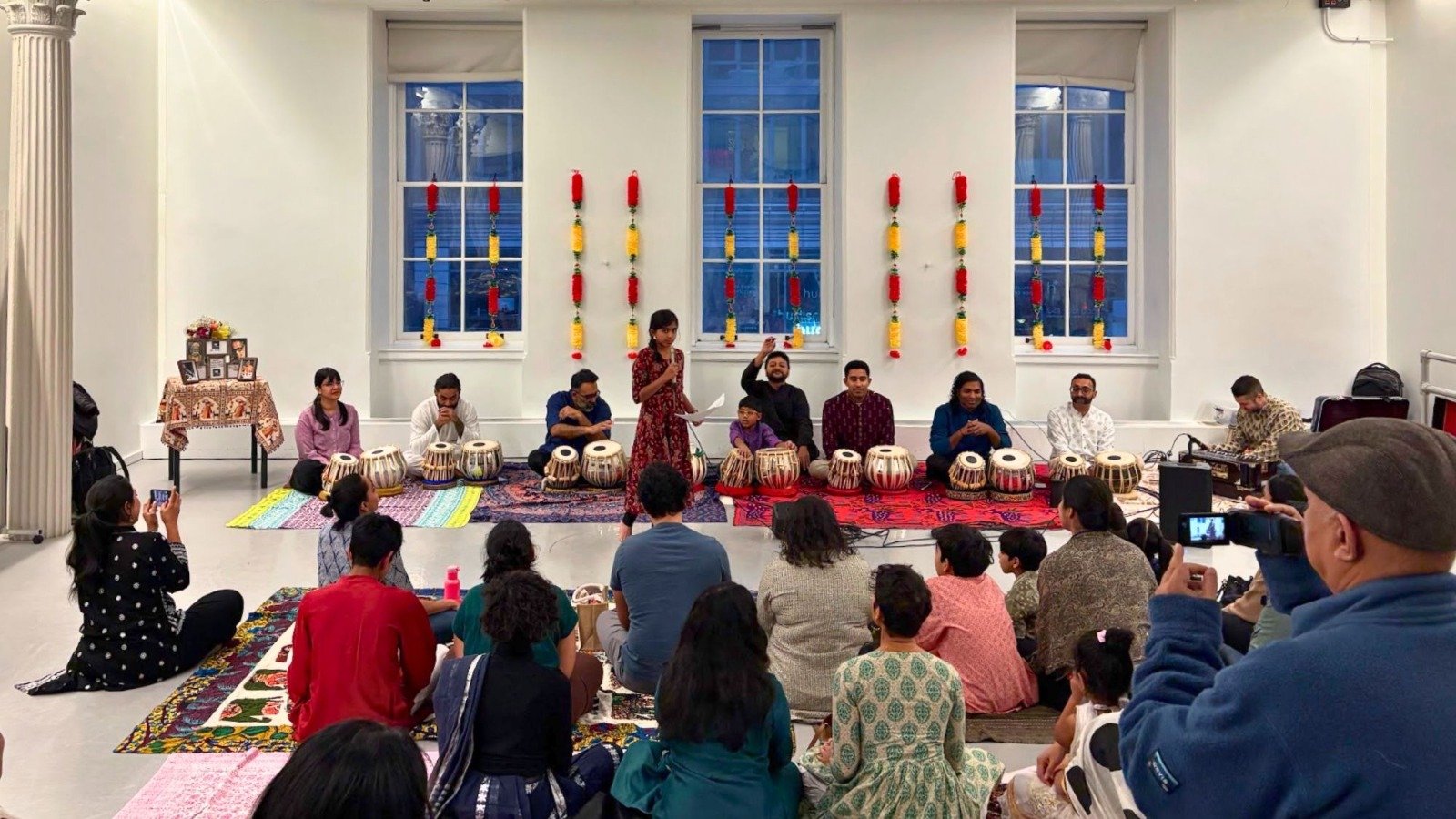
The tabla, a pair of hand-played drums, is one of the most iconic instruments in Indian classical music. Its distinct tonal qualities, rhythmic versatility, and expressive capabilities have not only shaped the evolution of Hindustani music but have also found resonance in contemporary fusion and global music scenes. For musicians and students seeking a structured path into Indian percussion, pursuing formal training through Tabla lessons in Brooklyn or other conservatory-style programs offers both a rigorous foundation and an immersion into the cultural depth of the instrument.
Historical Roots and Cultural Significance
The tabla’s origins are traced back to the 18th century in northern India, though its roots are linked to earlier percussive traditions that span centuries. The instrument consists of two drums: the dayan (right-hand drum, typically wooden) and the bayan (left-hand drum, usually metal or clay). Each drum produces a distinctive set of pitches and timbres, making the tabla capable of both melodic and rhythmic complexity.
Historically, the tabla has served multiple roles in Indian classical music. It accompanies vocalists and instrumentalists in khyal, dhrupad, thumri, and other traditional forms. It also functions as a solo instrument in its own right, with compositions ranging from short improvisational patterns to extended virtuoso performances. The cultural significance of the tabla lies in its ability to embody both rhythmic precision and emotive nuance, a combination that has intrigued musicologists and performers worldwide.
Curriculum and Technical Foundations
A comprehensive tabla curriculum, whether in a formal conservatory or through private instruction such as Tabla lessons in Brooklyn, typically begins with foundational exercises. Students start with basic bols, which are syllables representing strokes, such as “dha,” “tin,” and “na.” These provide the building blocks for more complex rhythmic patterns, or talas.
Progression in training emphasizes finger technique, hand positioning, and the subtle control of resonance. For example, mastering the tonal clarity of the dayan requires precise finger pressure and timing, while the bayan demands nuanced modulation through pressure variation on the drumhead. Systematic practice of these techniques not only develops physical dexterity but also instills an understanding of rhythmic cycles, improvisation, and compositional structure.
Students are often introduced to common talas such as teentaal (16 beats), jhaptal (10 beats), and rupak (7 beats), learning both to maintain time as an accompanist and to develop independent rhythmic improvisations. In conservatory-style programs, this is paired with exercises in sight-reading and rhythmic dictation, bridging traditional oral methods with contemporary pedagogical techniques.
Ensemble Integration and Collaborative Skills
Tabla is not merely a solo instrument; its role in ensemble performance is central to Indian classical music. A well-rounded education emphasizes ensemble skills, teaching students to listen attentively and respond dynamically to vocalists or melodic instruments such as the sitar, sarod, or flute.
Advanced training involves coordinating complex rhythmic interplay, responding to spontaneous improvisations, and maintaining consistent tempo across extended performances. This ensemble awareness cultivates musical sensitivity and adaptability, qualities that are as valuable in traditional concerts as in cross-cultural collaborations and fusion projects.
In modern conservatory contexts, ensemble practice may also include integration with Western instruments, highlighting the tabla’s adaptability and broadening the musician’s interpretive palette. Such exposure prepares students to navigate diverse performance contexts, from Indian classical concerts to experimental music festivals.
Performance Practice and Improvisational Mastery
Performance is both a culmination and a continuation of tabla training. Students gradually transition from solo exercises and accompaniment studies to structured performances, where they demonstrate technical skill, interpretive understanding, and rhythmic creativity. Solo performances often feature compositions such as kaidas, relas, and tukras, which showcase intricate patterns, thematic development, and virtuosic speed.
Improvisation is a hallmark of tabla artistry. Students learn to spontaneously create variations within the framework of a tala, responding to the musical environment while maintaining structural integrity. This improvisational skill is essential, as it embodies the dialogue between tradition and innovation that defines Indian classical performance.
Pedagogical Approaches and Modern Adaptations
Modern tabla pedagogy increasingly balances traditional oral transmission with structured curriculum models familiar to Western conservatories. Tabla lessons in Brooklyn often reflect this hybrid approach, providing students with clear technical exercises, systematic progressions, and ensemble opportunities while honoring the cultural lineage of the instrument.
Teachers may employ recording analysis, rhythm transcription, and theoretical study alongside daily practice, enabling students to develop both practical skills and conceptual understanding. Such pedagogical strategies enhance retention, encourage critical listening, and foster artistic individuality.
Moreover, modern platforms allow for global learning and collaboration, connecting students to a wider network of tabla practitioners and facilitating exposure to diverse styles and interpretations. This expands the scope of traditional training while preserving the integrity of Indian classical music.
Influence Beyond Indian Classical Music
The tabla’s impact extends far beyond its original context. In world music, jazz, electronic, and fusion genres, tabla rhythms provide a unique texture and dynamic range. Western composers and performers increasingly incorporate tabla patterns into orchestral, cinematic, and experimental works. This cross-cultural integration demonstrates the instrument’s versatility and underscores its global relevance.
Furthermore, the rhythmic concepts and improvisational techniques of the tabla have inspired pedagogical innovations in rhythm studies across musical disciplines. Students trained in tabla gain not only percussive skill but also a profound understanding of temporal structure and musical conversation.
Conclusion
The tabla stands as both a cultural treasure and a versatile musical instrument whose influence permeates Indian classical music and beyond. Its combination of melodic subtlety, rhythmic complexity, and expressive potential has shaped centuries of musical practice and continues to inspire contemporary performers and composers. Structured learning environments, such as conservatory-style instruction and Tabla lessons in Brooklyn, provide students with the technical foundation, theoretical understanding, and ensemble experience necessary to master the instrument while respecting its deep cultural roots.
For musicians seeking to integrate traditional expertise with modern pedagogical approaches, the tabla offers an unparalleled journey in rhythm, creativity, and cross-cultural expression. Through dedicated study, performance, and exploration, the instrument continues to thrive, bridging centuries of tradition with the global musical landscape of today.