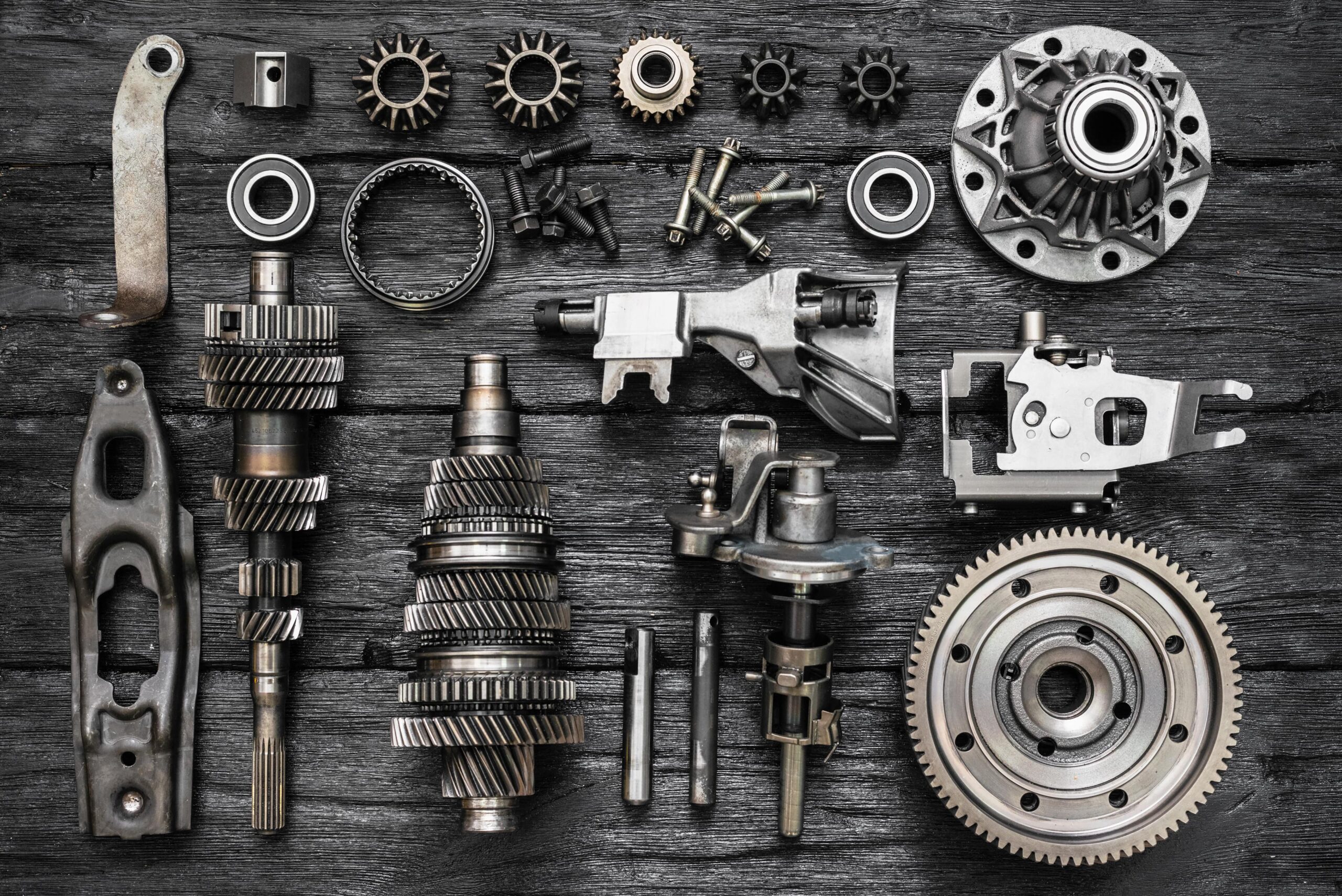
A car’s transmission is one of its most important parts, as it ensures the efficient flow of power from the engine to the wheels. When the transmission begins to go, owners are often faced with a huge financial burden in rebuilding, replacing, or buying a used transmission. Understanding the used transmission cost and looking into the used-auto-parts benefits can be the best way to make practical and cost-effective choices without giving up on performance.
The Role of a Transmission in Your Vehicle
Before turning to the cost, it is essential to understand what a transmission does. The transmission regulates the power coming from the engine and transfers it to the wheels to make the car move smoothly at various speeds. Whether automatic or manual, it is a very complex system comprising gears, clutches, and fluid systems that all work together. Once any of these components wear out, repair or replacement becomes necessary.
Such are the results one may expect from a damaged transmission: from simple gear slipping and delayed shifting to strange noises. Ignoring such signs might lead to a total failure, where the only thing left is to replace it completely. However, instead of paying full price for a new one, many vehicle owners turn to used options from salvage yards or auto part recyclers.
Why Choose a Used Transmission?
Buying a used transmission can be a smart financial decision for many reasons: a new transmission usually costs some thousand dollars, which sometimes is more than the actual value of your car. A used one, on the other hand, is significantly cheaper while offering good performance if sourced from a reliable yard.
Many used transmissions are out of vehicles that were wrecked but whose drivetrains were fine. A salvage yard carefully inspects and removes such components before resale, ensuring the parts remain functional. This makes used transmissions an ideal solution for older vehicles or for drivers on a tight budget.
Factors that Affect Used Transmission Cost
The price of a used transmission depends on several factors:
Vehicle Make and Model
Transmissions vary extensively for different models and makes of vehicles. Common vehicles or those whose parts are widely available are relatively cheap. However, for expensive or imported vehicles, spare parts can be costly even if they are secondhand.
Transmission Type
Automatics are usually more expensive compared to manuals, considering their complexity and difficulty in refurbishing. CVT systems, with their advanced technology, also tend to be more expensive.
Condition and Mileage
The cost for a used transmission directly relates to its age and mileage. A low-mileage used transmission from a newer car will cost more than one from an older car but may last longer.
Location and Availability
The cost will mainly depend on regional demand and supply. In regions where a particular model is common, their parts are easier to find at a cheap price.
Testing and Warranty
A few salvage yards offer transmissions that have been tested or certified to be functioning. Naturally, these are more expensive than untested units, but with greater assurance.
On average, a used transmission can cost anywhere from $400 to $1,500, depending on the above factors. Labor costs for installation may range from $500 to $1,200, depending on the job’s complexity and the mechanic’s expertise.
Benefits of Buying from Salvage Auto Parts Yards
Salvage yards, also known as junkyards or auto recyclers, are an important part of the automotive ecosystem. They take in road-unsuitable vehicles, dismantle them, and recycle many of their functional components. A number of advantages of choosing salvage auto parts includes:
Cost Savings
Purchasing at a salvage yard saves you as much as 50–70% compared to buying new transmissions, engines, or body parts. It is ideal because this can help you keep repair costs to a minimum.
Quality OEM Parts
Many salvage auto parts are OEM parts, meaning they were built for your vehicle’s make and model. Most often, an OEM part fits better and performs more reliably than an aftermarket alternative.
Environmental Benefits
Salvaging auto parts reduces waste sent to landfills and lessens the demand for newly manufactured materials. It’s a form of recycling that helps preserve resources while shrinking the environmental footprint of the auto industry.
Availability of Rare Parts
Salvage yards can be a goldmine for older or discontinued vehicles. Most will carry components no longer in production or hard to find via traditional retailers.
Sustainability and Resource Efficiency
You contribute towards a circular economy when you reuse functional auto components. Salvage yards ensure that useful materials are not wasted, guaranteeing that each vehicle continues to provide value beyond its original lifespan.
Tips for Buying a Used Transmission
While purchasing a used transmission, careful analysis has to be done to assure value for your money. Here are some basic steps you can follow to help you:
Verify Compatibility
Always confirm that the used transmission matches your vehicle’s make, model, year, and engine type. Even small design differences will cause incompatibility.
Ask About the Mileage
Knowing how many miles the donor vehicle had before it was dismantled gives you an idea of the remaining lifespan of the transmission.
Check for Damage
Check for rust, leaks, or broken mounts. A visual inspection can normally give a good indication of impending problems before you buy.
Check Fluid Condition
The transmission fluid should be clean and reddish in color. Burnt or dark fluid can indicate internal problems.
Look for Tested or Certified Units
Some salvage yards test transmissions prior to sale or even offer a limited warranty, which, though a little pricier, provides peace of mind and reduces the chance of unexpected failures.
Compare Prices
Compare prices at several salvage yards or online auto parts databases to ensure that you get a good deal.
Installation and Maintenance
Even with a good-quality used transmission, proper installation is the key to long-term performance. Hiring a skilled mechanic ensures that all mounts, sensors, and fluid lines are correctly installed. The proper use of recommended transmission fluid by the manufacturer prevents premature wear. If installed properly, periodic maintenance extends the life of your used transmission. Things like routine transmission fluid changes, leak checks, and performance checks are all considered basic procedures.
Salvage Auto Parts – The Cost-Effective Solution
Salvage auto parts are not just limited to transmissions. They have everything from engines and suspension parts, through lights and mirrors, to even interior fittings. Many car enthusiasts and repair professionals rely on salvage parts not only for affordability but also for their authenticity and availability. Salvage parts generally have better alignment and functionality compared to aftermarket replacements since they were built for the same specifications of the vehicle. Thus, they tend to be a better fit for both minor repairs and major overhauls.
The Future of Salvage Auto Parts Industry
With the focus on sustainability becoming larger in the automotive sector, demands for salvage auto parts continue to grow. Vehicle recycling programs and eco-friendly initiatives are raising consumer interest in reused parts over new ones. As people become more cognizant of their environmental impact, salvage yards are increasingly becoming key contributors to green automotive practices.
Digital technologies have made the identification and buying of salvage parts much easier. Many online platforms now list the inventory from various yards, allowing customers to find a compatible used transmission or other part in minutes. This transparency has improved buyer confidence and streamlined the process of purchasing.
Final Thoughts
Familiarizing oneself with the utilized transmission cost and valuing the worth of salvage auto parts will lead one to conduct cost-effective and eco-friendly vehicle actions. By using a quality used component, you will not only regain your vehicle’s usability but also contribute to eco-friendly recycling within the motor industry. Be it to keep a daily commuter on the road or to restore a car from a bygone era, these parts will surely promise reliability and affordability without compromising on performance.