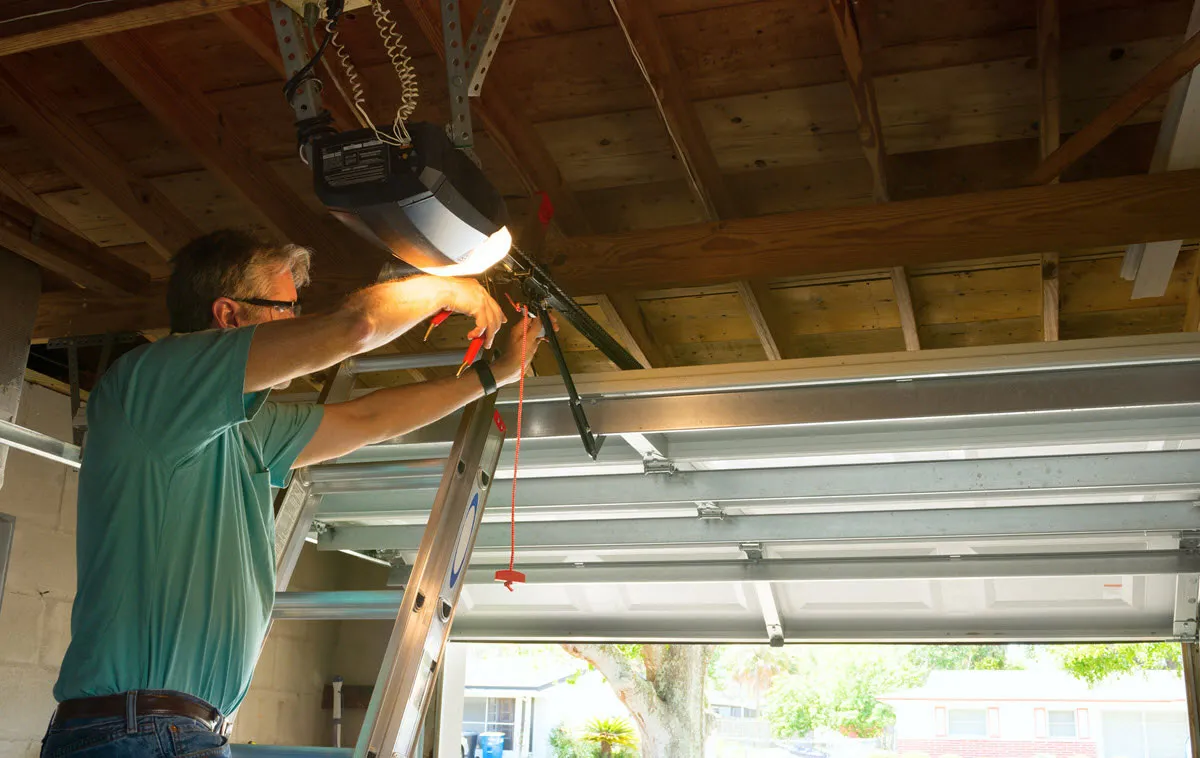
A garage door is one of the most frequently used entry points in any home. Because it operates multiple times each day, wear and tear are inevitable. Ignoring early warning signs can lead to expensive repairs, safety hazards, and complete system failure. Understanding when your garage door requires professional attention can save you time, money, and stress.
From unusual noises to slow movement, several indicators suggest it is time for maintenance or repair. In particular, issues involving garage door spring repair should never be ignored, as damaged springs can pose serious safety risks. Below are the top signs that indicate you need garage door repair, spring replacement, or garage door opener repair.
Unusual Noises During Operation
A properly functioning garage door should operate relatively quietly. While some sound is normal, loud grinding, squeaking, banging, or rattling noises often signal underlying problems.
Common causes include:
Worn-Out Rollers
Rollers can wear down over time, causing friction and excessive noise.
Loose Hardware
Nuts, bolts, and brackets may loosen due to daily use, resulting in rattling sounds.
Damaged Springs
Broken or weakening springs often produce loud popping or snapping noises. In many cases, immediate garage door spring repair is necessary to prevent further damage.
Ignoring unusual sounds can allow minor issues to develop into major repairs.
The Garage Door Opens Unevenly
If one side of the garage door rises faster than the other, this is a clear indication of mechanical problems.
An uneven door may be caused by:
- Broken extension springs
- Worn cables
- Misaligned tracks
- Damaged torsion springs
When springs lose tension, the door becomes unbalanced. Professional garage door spring repair restores proper balance and ensures safe operation.
Operating an unbalanced garage door can strain the opener and increase the risk of sudden failure.
Slow Response Time
Your garage door should begin opening or closing within a second or two after pressing the remote or wall button.
If you notice delayed response times, possible causes include:
Opener Issues
A failing motor or damaged circuit board can reduce responsiveness.
Electrical Problems
Wiring faults or power supply issues may interfere with opener performance.
Sensor Malfunctions
Safety sensors that are dirty or misaligned can delay operation.
Prompt garage door opener repair can restore efficiency and prevent complete system breakdown.
The Door Refuses to Open or Close Completely
A garage door that only opens partially or reverses unexpectedly often indicates mechanical or electronic issues.
Potential causes include:
Broken Springs
Springs provide the lifting force needed to raise the door. When they fail, the opener cannot lift the full weight.
Track Obstructions
Debris or bent tracks can prevent smooth movement.
Opener Limit Setting Problems
Incorrect opener settings may cause premature stopping.
In many situations, professional garage door spring repair is necessary to restore full functionality.
Visible Damage to Springs
Garage door springs are under extreme tension and naturally wear out over time. Most springs have a lifespan of approximately 10,000 cycles.
Signs of damaged springs include:
- Visible gaps in torsion springs
- Rust or corrosion
- Stretching or deformation
- Loose or hanging extension springs
When these signs appear, immediate garage door spring repair is essential. Attempting DIY spring replacement can be extremely dangerous due to the high tension stored within the springs.
Professional technicians have the proper tools and expertise to safely replace damaged components.
Excessive Vibrations During Operation
If your garage door shakes or vibrates excessively while opening or closing, the system may require attention.
Common causes include:
Misaligned Tracks
Tracks that shift out of alignment force the door to move unevenly.
Worn Rollers
Damaged rollers create instability and vibration.
Loose Components
Hardware that loosens over time can cause excessive movement.
Routine maintenance and timely repairs can eliminate vibrations and prolong the lifespan of the entire garage door system.
Sagging Garage Door Sections
Over time, garage door panels may begin to sag, particularly in older doors.
A sagging door places additional stress on:
- Springs
- Hinges
- Tracks
- Garage door opener
This added strain often leads to premature component failure. A professional inspection can determine whether repairs, reinforcement, or replacement is needed.
In many cases, weakened springs contribute to sagging, making garage door spring repair a critical part of the solution.
The Garage Door Falls Too Quickly
One of the most dangerous signs of spring failure is a door that slams shut or closes rapidly.
Healthy springs counterbalance the weight of the door. When springs break or lose tension, the door can become extremely heavy.
This issue poses serious safety risks, including:
- Personal injury
- Property damage
- Vehicle damage
If your garage door drops unexpectedly, discontinue use immediately and schedule professional garage door spring repair as soon as possible.
The Garage Door Opener Struggles
Garage door openers are designed to guide the movement of the door rather than carry its full weight.
Signs of opener problems include:
Motor Humming Without Movement
A humming motor with no door movement often indicates internal mechanical failure.
Intermittent Operation
The opener works inconsistently or stops unexpectedly.
Remote Control Failure
Remote transmitters no longer activate the door reliably.
Excessive Noise From the Opener
Grinding or buzzing sounds can indicate worn gears or motor problems.
Professional garage door opener repair can identify and resolve these issues before complete failure occurs.
Increased Energy Bills
Modern garage doors contribute significantly to home insulation.
When garage doors fail to seal properly due to misalignment, damaged panels, or worn weather stripping, indoor temperatures become harder to maintain.
Signs include:
- Drafts entering through the garage
- Moisture intrusion
- Temperature fluctuations
Repairing damaged components improves energy efficiency and reduces utility costs.
Frequent Need for Manual Operation
If you regularly disconnect the opener and operate the door manually, there is likely an underlying issue.
Potential causes include:
- Broken springs
- Opener malfunctions
- Electrical failures
- Sensor issues
Repeated manual use often indicates the need for immediate professional service.
Because springs support the majority of the door’s weight, unresolved spring issues frequently require expert garage door spring repair.
Importance of Professional Repairs
Although some homeowners attempt DIY repairs, garage door systems contain high-tension components that can be hazardous.
Professional technicians offer:
Accurate Diagnosis
Experts quickly identify the root cause of problems.
Safe Spring Replacement
Specialized tools ensure safe handling during garage door spring repair.
Long-Term Solutions
Professional repairs address underlying issues rather than temporary fixes.
Improved Safety
Proper repairs reduce the risk of accidents and equipment failure.
Conclusion
Recognizing early warning signs can prevent costly breakdowns and improve garage door safety. Unusual noises, uneven movement, slow response times, visible spring damage, and opener malfunctions should never be ignored. In particular, garage door spring repair is essential whenever springs show signs of wear or failure.
Regular inspections and timely professional repairs help ensure smooth operation, extend equipment lifespan, and maintain the security and convenience of your home.