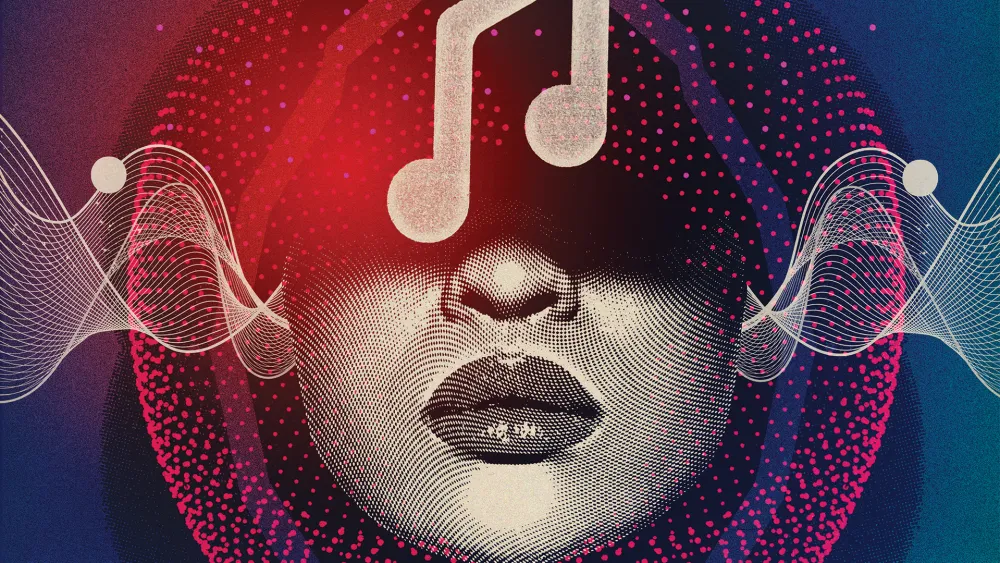
Music has always been an important part of human culture, connecting people through emotions, stories, traditions, and shared experiences. From ancient instruments and live performances to vinyl records, cassettes, CDs, downloads, and streaming services, the way people experience Music has changed dramatically. Technological progress has not only transformed how songs are created and distributed but has also influenced how listeners discover, organize, and enjoy their favorite tracks.
The Early Days of Music Listening
Before modern technology, Music was primarily experienced through live performances. People gathered in communities, theaters, religious spaces, and public areas to hear musicians perform. Access to recorded Music did not exist, so a performance was temporary. If someone wanted to hear the same song again, they had to attend another performance or learn to perform it themselves.
The invention of mechanical recording changed this experience. Early recording technologies allowed sounds to be captured and reproduced. This created an entirely new relationship between artists and audiences because people could listen to performances outside the original location.
As recording technology improved, physical formats became increasingly popular. Vinyl records allowed listeners to purchase albums and build personal collections. The growth of radio also made Music accessible to millions of people, helping artists reach audiences far beyond their local communities.
The Rise of Cassettes and CDs
The introduction of cassette tapes brought another major change. Unlike vinyl records, cassettes were portable and allowed listeners to record and rearrange Music. People could create personalized mixtapes featuring songs from different artists. This encouraged listeners to become more involved in organizing their musical experiences.
Compact discs later improved sound quality and convenience. CDs were smaller, durable, and easier to store than vinyl records. Consumers could purchase albums from stores and play them using dedicated CD players, portable devices, or computers.
During this period, the album remained an important part of the Music industry. Artists often created collections of songs designed to be experienced together. Record stores were also important cultural spaces where listeners discovered new artists, genres, and releases.
The Digital Revolution
The internet introduced one of the biggest transformations in Music history. Digital audio files allowed songs to be stored on computers and transferred electronically. Instead of relying exclusively on physical products, listeners could access Music through digital devices.
The rise of MP3 files made songs smaller and easier to share. Digital downloads became increasingly popular because consumers could purchase individual tracks rather than entire albums. This changed purchasing habits and challenged traditional business models within the Music industry.
Digital libraries also gave listeners greater control. Thousands of songs could be stored on a single computer or portable device. People no longer needed shelves full of physical albums to maintain a large collection.
How Digital Platforms Changed Discovery
Digital platforms have fundamentally changed how listeners discover Music. In the past, people commonly found new artists through radio stations, television programs, magazines, record stores, or recommendations from friends. Today, listeners can discover artists through streaming platforms, social media, video websites, playlists, blogs, and online communities.
Recommendation systems have become particularly influential. Digital services can analyze listening habits and suggest songs based on previous activity. This means a listener can quickly discover artists from different countries, genres, and musical traditions.
Playlists have also changed listening behavior. Instead of purchasing complete albums, many people now create playlists based on mood, activity, genre, or occasion. A workout playlist, study collection, relaxing selection, or party mix can contain songs from dozens of different artists.
The Streaming Era
Streaming has become one of the most influential developments in modern Music consumption. Rather than downloading or physically purchasing individual songs, listeners can access enormous catalogs through internet-connected devices.
This model provides convenience. Smartphones, computers, smart speakers, televisions, and other devices can provide instant access to millions of tracks. Listeners can move between genres and artists without changing physical media.
Streaming has also made Music more global. An artist in one country can reach listeners around the world without depending entirely on traditional distribution networks. Similarly, listeners can explore regional Music that may previously have been difficult to find outside its home market.
Social Media and Music Trends
Social media has created another powerful connection between Music and audiences. Short-form videos, viral challenges, creator content, and online communities can quickly increase the popularity of a song. A track can gain attention because users incorporate it into videos, memes, dances, or other forms of creative expression.
This has changed how hits can develop. Traditional radio promotion and major record labels remain influential, but online communities can also help songs become widely recognized. Emerging artists can build audiences directly through digital platforms, sometimes attracting millions of listeners before receiving significant traditional media exposure.
The Changing Role of Artists
Digital technology has also given musicians more tools for creativity and promotion. Recording software allows artists to produce Music from home studios, while digital distribution can help them release songs without relying exclusively on physical retailers.
Artists can communicate directly with fans through social networks, newsletters, websites, livestreams, and other platforms. This creates opportunities for independent musicians who may not have access to large promotional budgets.
At the same time, the digital environment is highly competitive. Because millions of songs are available online, gaining attention can be difficult. Artists often need to combine musical creativity with effective digital communication and audience engagement.
The Future of Music Listening
The evolution of Music is unlikely to stop with streaming. Artificial intelligence, immersive audio, virtual reality, personalized recommendations, and new interactive technologies may continue changing how people experience songs.
Future platforms could offer increasingly personalized listening environments. Technology may also create new opportunities for artists to experiment with interactive performances and immersive sound.
Despite these technological changes, the fundamental purpose of Music remains the same. People listen to songs to experience emotions, tell stories, celebrate moments, connect with others, and express their identities.
Conclusion
The journey from live performances and vinyl records to digital downloads and streaming demonstrates how strongly technology influences Music. Every major innovation has changed the relationship between artists, audiences, and recorded sound.
Digital platforms have made Music more accessible, portable, personalized, and global than ever before. Listeners can discover new artists within seconds, create customized playlists, and explore sounds from almost every corner of the world. For musicians, digital tools have opened new pathways for production, promotion, and communication.
Although the technology surrounding Music continues to evolve, its emotional power remains constant. The formats may change, the platforms may develop, and listening habits may shift, but Music will continue to bring people together and remain a central part of human creativity and culture.