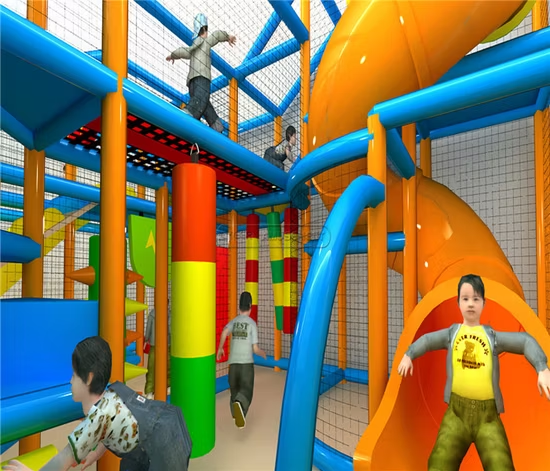
Indoor play spaces have become a powerful business opportunity as parents increasingly look for safe, engaging, and weather-independent environments for children. Whether you are opening a new family entertainment center, upgrading an existing facility, or adding a play area to a mall, restaurant, or childcare center, selecting the right indoor playground equipment is a critical decision. The quality, design, and functionality of your equipment directly impact customer satisfaction, safety, and long-term profitability. This guide explores everything you need to know to make an informed and strategic choice.
Understanding Your Target Audience and Business Goals
Before investing in indoor playground equipment, it is essential to clearly define who your customers are and what you want to achieve as a business. Different age groups have different needs, abilities, and safety requirements. Toddlers need soft play elements, low platforms, and sensory features, while older children prefer climbing structures, slides, obstacle courses, and interactive challenges.
Your business goals also matter. A small café play corner has very different requirements from a large indoor amusement center. Consider whether your aim is to increase dwell time, attract birthday parties, generate repeat visits, or create a premium experience. When your target audience and objectives are clearly defined, it becomes much easier to select equipment that aligns with your brand and delivers measurable results.
Evaluating Available Space and Layout
The size and shape of your space play a major role in determining the type of indoor playground equipment you can install. Measure your available area carefully, including ceiling height, support columns, entrances, and emergency exits. Efficient use of vertical space is especially important in indoor environments, as multi-level structures can maximize play value without increasing your footprint.
A well-planned layout ensures smooth traffic flow, clear visibility for parents and staff, and easy access to different play zones. Open sightlines improve supervision and safety, while logical zoning prevents overcrowding. Working with experienced designers can help you create a layout that balances excitement, comfort, and operational efficiency.
Safety Standards and Certifications
Safety should always be a top priority when choosing indoor playground equipment. Parents trust businesses that provide secure environments, and meeting safety standards protects both your customers and your brand reputation. Look for equipment that complies with internationally recognized safety standards, such as ASTM, EN, or equivalent local regulations.
High-quality materials, rounded edges, non-toxic coatings, and proper fall protection surfaces are essential features. Equipment should also include clear age recommendations and capacity limits. Regular inspections, maintenance plans, and staff training further enhance safety and reduce liability risks. Investing in certified, well-designed equipment is not an expense but a long-term safeguard for your business.
Choosing the Right Types of Play Equipment
There is a wide range of indoor playground equipment available, and selecting the right mix can significantly impact user engagement. Soft play structures are ideal for younger children, offering a safe environment to crawl, climb, and explore. Slides, tunnels, and ball pits remain timeless favorites that encourage physical activity and imaginative play.
For older children, climbing walls, rope courses, interactive panels, and ninja-style obstacles add excitement and challenge. Interactive and digital play elements, such as augmented reality games or motion-based activities, can further enhance the experience and appeal to tech-savvy families. A balanced combination of active, creative, and sensory play ensures that children of different interests and abilities find something enjoyable.
Durability and Material Quality
Indoor playground equipment must withstand constant use, often by hundreds of children each week. Durability is therefore a key factor in protecting your investment. High-quality steel frames, reinforced connectors, and wear-resistant padding contribute to long-lasting performance.
The choice of materials also affects cleanliness and maintenance. Smooth, easy-to-clean surfaces help maintain hygiene standards, while fire-retardant and moisture-resistant materials increase safety and longevity. Cheaper options may reduce initial costs, but frequent repairs or replacements can quickly outweigh any short-term savings.
Customization and Branding Opportunities
Custom-designed indoor playground equipment allows your business to stand out in a competitive market. Colors, themes, and layouts can be tailored to match your brand identity or create a unique storytelling experience. Popular themes include jungle adventures, space exploration, underwater worlds, or cityscapes, each adding an immersive element that enhances customer appeal.
Customization also allows you to adapt equipment to your specific space and audience. Modular designs make it easier to expand or update your play area in the future, keeping your facility fresh and exciting. A distinctive, memorable playground encourages repeat visits and positive word-of-mouth marketing.
Maintenance, Cleaning, and Operational Considerations
Efficient operation depends on how easy your indoor playground equipment is to maintain. Daily cleaning, routine inspections, and periodic deep maintenance should be straightforward and cost-effective. Equipment with removable padding, accessible components, and clear maintenance guidelines simplifies these processes.
Downtime due to repairs can impact revenue and customer satisfaction, so reliability matters. Partnering with reputable manufacturers who offer warranties, spare parts, and technical support ensures long-term operational stability. Planning for maintenance from the start helps avoid unexpected costs and disruptions.
Budget Planning and Return on Investment
Budget is always a major consideration, but it should be evaluated alongside expected returns rather than as a standalone factor. High-quality indoor playground equipment may require a higher upfront investment, but it often delivers better durability, safety, and customer satisfaction, leading to higher long-term profits.
Consider not only the purchase price but also installation, maintenance, insurance, and potential upgrades. Well-chosen equipment can increase foot traffic, extend visit durations, and support additional revenue streams such as parties, memberships, and events. Viewing your playground as a revenue-generating asset rather than a simple expense leads to smarter decision-making.
Partnering with the Right Supplier
Choosing a reliable supplier is just as important as choosing the right equipment. Look for manufacturers or distributors with proven experience, positive client reviews, and a strong portfolio of completed projects. A good supplier offers professional design support, transparent pricing, and clear timelines.
After-sales service is another critical factor. Installation assistance, staff training, and ongoing technical support contribute to a smooth launch and efficient operation. A trusted partner becomes a valuable resource as your business grows and evolves.
Future Trends and Scalability
The indoor play industry continues to evolve, with increasing focus on inclusivity, sustainability, and interactive experiences. Equipment designed for children of different abilities promotes inclusiveness and expands your customer base. Eco-friendly materials and energy-efficient features appeal to environmentally conscious families.
Scalability should also be considered from the beginning. Modular indoor playground equipment allows you to add new elements, update themes, or reconfigure layouts as trends change or demand increases. Planning for future growth ensures that your investment remains relevant and competitive over time.
Choosing the right indoor playground equipment for your business is a strategic decision that affects safety, customer experience, and financial performance. By understanding your audience, prioritizing safety and quality, planning your space carefully, and partnering with reliable suppliers, you can create an engaging indoor play environment that supports long-term success. A thoughtfully designed playground not only entertains children but also builds trust with parents and strengthens your brand in a growing market.