Introduction
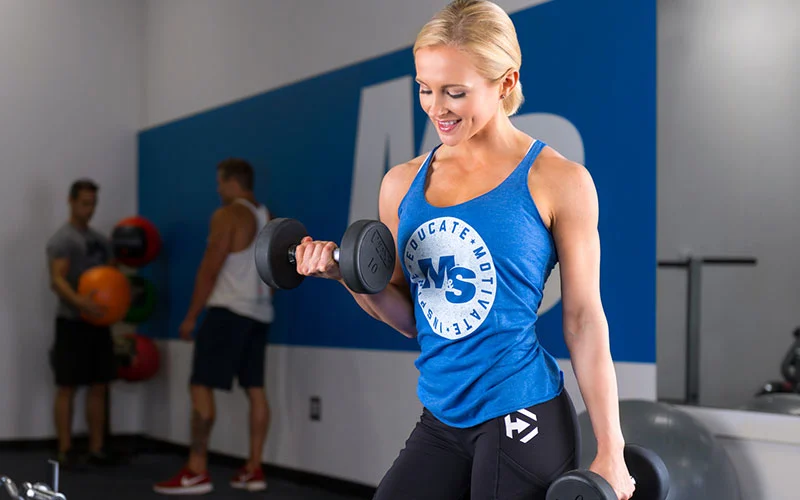
Strength training for women has become one of the most effective ways to improve overall health, increase physical performance, and build lasting confidence. While many people associate strength workouts with bodybuilders or athletes, resistance training is beneficial for women of all ages and fitness levels. It helps develop lean muscle, strengthens bones, improves posture, boosts metabolism, and enhances daily movement.
Whether your goal is to feel stronger, lose body fat, or improve athletic performance, following a structured fitness routine can transform both your body and mindset. The key is consistency, proper form, and progressive overload. With the right exercises, anyone can enjoy the life-changing benefits of strength training for women while building confidence that extends beyond the gym.
Why Strength Training Matters
Many women still believe lifting weights will make them bulky. In reality, women naturally produce much lower levels of testosterone than men, making it difficult to develop large muscles. Instead, resistance training creates a lean, toned physique while improving overall strength.
Some of the biggest benefits include:
- Increased muscle strength
- Better bone density
- Faster metabolism
- Improved posture and balance
- Reduced risk of injury
- Greater endurance
- Enhanced mental health
- Increased confidence
Regular workouts also support healthy aging by maintaining muscle mass and protecting joint function.
How Strength Training Builds Confidence
Physical strength often leads to mental strength. Every workout completed and every weight lifted creates a sense of accomplishment. As women notice improvements in performance, posture, and energy levels, self-confidence naturally grows.
Confidence comes from:
- Achieving new fitness goals
- Feeling physically capable
- Developing discipline
- Improving body image
- Reducing stress through exercise
The journey becomes about celebrating progress rather than chasing perfection.
Essential Principles Before You Begin
Starting a strength program doesn’t require expensive equipment or advanced knowledge. Following a few basic principles ensures steady progress.
Focus on Proper Form
Learning correct movement patterns is more important than lifting heavy weights. Proper technique reduces injury risk while maximizing muscle activation.
Train Consistently
Aim for three to four weekly strength sessions. Consistency produces better long-term results than occasional intense workouts.
Increase Resistance Gradually
Progressive overload means slowly increasing weight, repetitions, or workout intensity as your body adapts.
Prioritize Recovery
Muscles grow during recovery, not during exercise. Quality sleep, hydration, and balanced nutrition are essential.
Best Strength Exercises for Women
A balanced program includes movements that target every major muscle group.
Squats
Squats strengthen the legs, glutes, and core while improving balance and mobility.
Benefits include:
- Stronger lower body
- Better athletic performance
- Improved posture
- Increased calorie burn
Beginners can start with bodyweight squats before progressing to dumbbells or barbells.
Deadlifts
Deadlifts are among the most effective full-body exercises.
They strengthen:
- Hamstrings
- Glutes
- Lower back
- Core
- Upper back
- Grip strength
Proper technique is essential to protect the spine.
Push-Ups
Push-ups build upper-body strength without requiring equipment.
They target:
- Chest
- Shoulders
- Triceps
- Core
Modified push-ups on the knees are excellent for beginners.
Lunges
Lunges improve lower-body strength while enhancing stability and coordination.
Variations include:
- Walking lunges
- Reverse lunges
- Bulgarian split squats
- Side lunges
Each variation challenges muscles differently.
Rows
Rows strengthen the upper back, helping improve posture and shoulder stability.
Options include:
- Dumbbell rows
- Cable rows
- Resistance band rows
- Barbell rows
Strong back muscles also reduce neck and shoulder discomfort.
Overhead Press
The overhead press develops shoulder strength and improves upper-body stability.
This exercise also activates the core while strengthening the arms.
Glute Bridges
Glute bridges activate the hips and strengthen the posterior chain.
Benefits include:
- Improved hip mobility
- Reduced lower back discomfort
- Better athletic performance
- Stronger glutes
They are suitable for beginners and advanced athletes alike.
Planks
Planks develop core stability without excessive spinal movement.
A strong core supports nearly every strength exercise while reducing injury risk.
Weekly Workout Plan
A simple weekly schedule can help beginners build consistency.
Day One: Lower Body
- Squats
- Lunges
- Glute bridges
- Calf raises
- Planks
Day Two: Upper Body
- Push-ups
- Dumbbell rows
- Overhead press
- Bicep curls
- Tricep extensions
Day Three: Full Body
- Deadlifts
- Goblet squats
- Walking lunges
- Shoulder press
- Core exercises
Rest days between sessions allow muscles to recover and grow.
Nutrition for Better Results
Exercise alone cannot maximize strength gains. Nutrition plays an equally important role.
Focus on:
- Lean protein
- Whole grains
- Fruits
- Vegetables
- Healthy fats
- Plenty of water
Protein supports muscle repair, while carbohydrates provide workout energy.
Healthy meal examples include:
- Grilled chicken with brown rice
- Greek yogurt with berries
- Eggs with whole-grain toast
- Salmon with vegetables
- Oatmeal with nuts
Eating balanced meals throughout the day helps maintain energy and recovery.
Common Mistakes to Avoid
Many beginners unknowingly slow their progress through avoidable habits.
Avoid Skipping Warm-Ups
A proper warm-up prepares muscles and joints for exercise while reducing injury risk.
Don’t Fear Heavy Weights
Using challenging resistance encourages muscle growth and strength improvements.
Neglecting Recovery
Training intensely every day may lead to fatigue and reduced performance.
Ignoring Progressive Overload
Repeating identical workouts for months limits improvement.
Comparing Yourself to Others
Fitness is a personal journey. Focus on your own progress rather than someone else’s results.
Tracking Progress
Measuring improvement keeps motivation high.
Ways to monitor progress include:
- Recording workout weights
- Tracking repetitions
- Taking monthly photos
- Measuring body measurements
- Monitoring energy levels
- Celebrating personal records
Progress often appears in increased strength before visible physical changes.
Strength Training Across Different Ages
Resistance exercise benefits women throughout every stage of life.
Women in Their 20s and 30s
Building strength early supports long-term health while improving athletic performance and metabolism.
Women in Their 40s
Strength training helps preserve muscle mass and supports hormonal changes.
Women Over 50
Resistance exercise becomes even more important for maintaining bone density, balance, and independence.
Age should never be viewed as a barrier to becoming stronger.
Staying Motivated
Maintaining consistency can be challenging, but small strategies make a difference.
Helpful ideas include:
- Setting realistic goals
- Scheduling workouts
- Finding a workout partner
- Tracking achievements
- Trying new exercises
- Celebrating milestones
Remember that lasting fitness comes from building sustainable habits rather than seeking quick results.
Conclusion
Building strength is about much more than lifting weights. It is about becoming healthier, more capable, and more confident in everyday life. A well-designed routine featuring squats, deadlifts, push-ups, rows, lunges, presses, and core exercises can improve physical performance while supporting long-term wellness. With consistent effort, balanced nutrition, and proper recovery, strength training for women becomes a powerful tool for increasing strength, enhancing confidence, and improving overall quality of life. Whether you are just starting your fitness journey or looking to advance your current routine, embracing strength training for women can lead to lasting physical and mental transformation.