Introduction
Shotgun powder plays a critical role in determining how a shotgun performs in terms of accuracy, recoil, velocity, and overall shooting consistency. Whether used for hunting, sport shooting, or competitive trap and skeet, the type and quality of powder inside a shell directly influence the behavior of the shot after firing. Understanding how shotgun powder works helps shooters make better decisions about ammunition selection and performance expectations. In modern firearms discussion, terms like Smokeless powder muzzleloader also appear when comparing different propulsion systems, although they function in different types of firearms.
What Shotgun Powder Actually Does
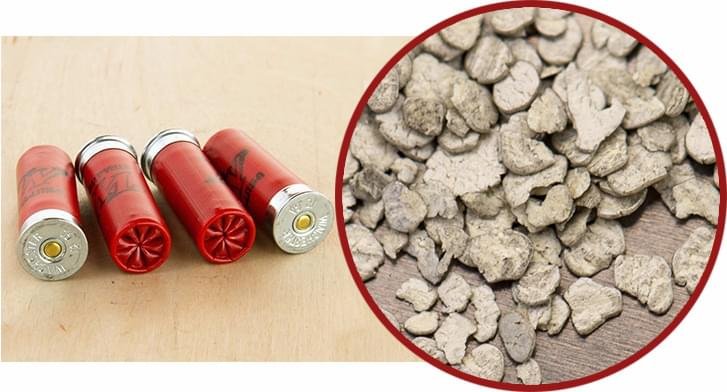
Shotgun powder, commonly referred to as propellant, is a chemical mixture designed to burn rapidly and produce high-pressure gas. When the primer ignites the powder inside a shotgun shell, it burns almost instantly, creating expanding gases that push the wad and shot charge down the barrel. This controlled explosion is what launches pellets toward the target.
The key function of shotgun powder is not just to create power but to regulate how that power is released. A well-designed powder ensures smooth pressure buildup, preventing damage to the firearm while optimizing shot speed and pattern consistency.
Types of Shotgun Powder
Shotgun powders are generally classified based on burn rate and chemical composition. Faster-burning powders are often used for light loads and target shooting, while slower-burning powders are better for heavy loads like waterfowl or buckshot.
Fast-burning powders
These ignite quickly and reach peak pressure sooner. They are ideal for light target loads where high velocity is not the primary goal. They help reduce recoil and are commonly used in clay shooting sports.
Medium-burning powders
These are versatile and widely used in standard hunting loads. They balance velocity, recoil, and pressure, making them suitable for most general-purpose shotgun shells.
Slow-burning powders
These powders are designed for heavy payloads. They generate pressure over a slightly longer time, allowing heavier shot loads to be propelled efficiently without excessive recoil spikes.
How Shotgun Powder Affects Accuracy
Accuracy in shotgun shooting is less about a single projectile and more about shot pattern consistency. Powder plays a major role in how evenly pellets spread after leaving the barrel.
A consistent powder burn ensures that the wad exits the barrel at a predictable velocity, which stabilizes the shot column. If powder burns inconsistently, it can cause uneven pressure, leading to irregular patterns where pellets spread too widely or inconsistently.
Temperature sensitivity also affects accuracy. Some powders perform differently in cold or hot environments, which can slightly change velocity and pattern density. High-quality modern powders are designed to minimize these variations.
Shotgun Powder and Power Output
Power in shotgun terms is usually measured by velocity and payload energy. The powder determines how much energy is transferred to the shot column.
A higher-energy powder load produces faster shot velocities, which can improve range and penetration. However, too much power without proper load balance can lead to excessive recoil and reduced shooting comfort.
Manufacturers carefully balance powder charge with shot weight and wad design to achieve optimal performance. This balance ensures that the shot reaches the target with enough energy while maintaining manageable recoil.
Recoil and Shooter Comfort
Recoil is the backward force experienced when a shotgun is fired. Shotgun powder is one of the primary factors affecting recoil intensity. More powerful powder charges generally produce more recoil because they generate higher gas pressure and faster projectile speeds.
However, recoil is not determined by powder alone. Shot weight, firearm weight, and wad cushioning also contribute. Powder selection allows manufacturers to design “light recoil” loads for beginners or extended shooting sessions.
Efficient powder burn reduces wasted energy, which helps minimize unnecessary recoil while still maintaining performance.
Shot Pattern Performance
Shot pattern refers to how pellets spread after leaving the barrel. Powder indirectly influences this by controlling the speed and stability of the wad as it travels through the barrel.
A smooth, consistent powder burn produces a stable wad release, resulting in even pellet distribution. Poor-quality or inconsistent powder can lead to erratic patterns, with dense clusters in some areas and gaps in others.
This is especially important in hunting scenarios where clean, ethical hits depend on predictable shot spread.
Smokeless Powder in Modern Shooting
Most modern shotgun shells use smokeless powder, which replaced older black powder due to its cleaner burn and higher efficiency. Smokeless powder produces significantly less smoke, allowing for better visibility and reduced fouling inside the barrel.
Smokeless powder also generates more consistent pressure, improving both accuracy and velocity control. This makes it the standard choice for nearly all modern shotgun ammunition.
Smokeless Powder Muzzleloader and Its Relation
The term Smokeless powder muzzleloader refers to a type of muzzleloading firearm that is designed or adapted to use smokeless powder instead of traditional black powder substitutes. While not directly related to standard shotgun shells, it is often mentioned in discussions of modern propellants.
In a muzzleloader, smokeless powder offers higher velocity and cleaner shooting characteristics, but it requires carefully engineered firearms due to higher pressure levels. In contrast, shotgun shells are factory-loaded with precise powder measurements to ensure safety and consistency.
Understanding both systems helps shooters appreciate how propellant technology has evolved across different firearm platforms.
Environmental and Temperature Effects
Shotgun powder performance can be influenced by environmental conditions. Temperature, humidity, and altitude can all affect how powder burns.
In cold weather, some powders may burn slightly slower, reducing velocity. In hot conditions, pressure may increase slightly. Modern smokeless powders are engineered to be temperature-stable, but variations can still occur in extreme environments.
Altitude also plays a role, as air pressure differences can influence shot travel and pattern spread.
Consistency and Manufacturing Quality
One of the most important aspects of shotgun powder is manufacturing consistency. High-quality powder is produced under strict chemical control to ensure every grain burns at a predictable rate.
Inconsistent powder can lead to variations in velocity between shots, which negatively affects accuracy and reliability. Premium ammunition brands invest heavily in quality control to maintain uniform performance.
Choosing the Right Shotgun Load
Selecting the right shotgun shell involves understanding powder characteristics along with shot size, wad type, and intended use. Target shooters often prefer light, fast-burning powder loads for reduced recoil and quick follow-up shots.
Hunters may choose heavier loads with slower-burning powder to achieve greater range and penetration. The correct combination ensures optimal performance for the specific shooting application.
Conclusion
Shotgun powder is the driving force behind every shot fired, influencing power, accuracy, recoil, and pattern consistency. From fast-burning target loads to heavy hunting shells, powder selection determines how effectively a shotgun performs in real-world conditions. Modern smokeless powder technology has greatly improved efficiency and reliability, making shooting more predictable and controlled than ever before.
While related discussions like Smokeless powder muzzleloader highlight broader applications of propellant technology, shotgun shells remain finely engineered systems where powder plays a central role in performance. Understanding how it works helps shooters make better decisions and achieve more consistent results in every shot.