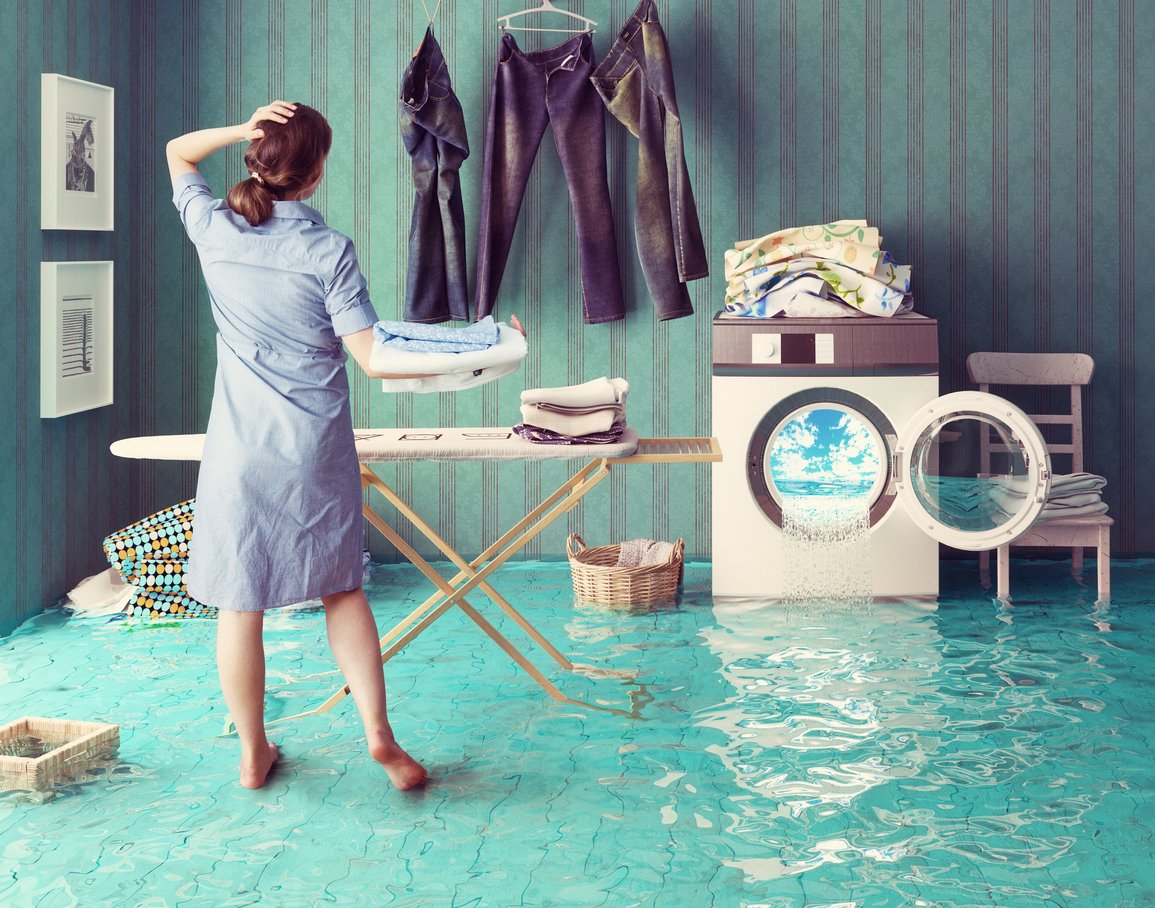
Floods can cause serious damage to homes, affecting walls, floors, furniture, electrical systems, and personal belongings. Beyond visible destruction, standing water and excessive moisture create ideal conditions for mold growth, bacteria, and unpleasant odors. Taking immediate action after a flood is essential to restore the property and protect the health of everyone living inside. Proper cleaning water damage techniques help remove contaminants, prevent long-term issues, and create a safer indoor environment.
Understanding the Impact of Flood Damage
Water damage after a flood is not limited to wet surfaces. Floodwater often contains dirt, chemicals, sewage, and harmful microorganisms that can create health risks. Porous materials such as carpets, drywall, insulation, and wooden structures can absorb large amounts of water, making them difficult to restore without professional methods.
The longer water remains inside a property, the greater the chance of structural damage. Moisture can weaken building materials, damage foundations, and cause electrical hazards. Effective cleaning water damage procedures should begin as soon as it is safe to enter the affected area. Quick response reduces repair costs and prevents minor problems from becoming major restoration challenges.
Prioritizing Safety Before Cleanup
Before starting any cleanup work, safety should be the top priority. Flooded areas may contain hidden dangers, including contaminated water, unstable structures, exposed wiring, and harmful mold spores. Wearing protective equipment such as waterproof gloves, masks, boots, and protective clothing helps reduce exposure to hazardous materials.
Electricity should be turned off in flooded areas until the electrical system has been inspected. If floodwater contains sewage or unknown contaminants, professional assistance may be required. Safety precautions are a critical part of cleaning water damage because they protect both the property and the people involved in the restoration process.
Removing Standing Water Quickly
The first major step in flood recovery is removing standing water. Water extraction equipment, pumps, wet vacuums, and specialized tools are commonly used to eliminate excess moisture. The faster standing water is removed, the lower the risk of mold development and structural deterioration.
Small amounts of water may be handled with household tools, but significant flooding often requires advanced equipment. Professional restoration teams use powerful extraction machines that remove trapped moisture from carpets, flooring, and hidden spaces. Effective cleaning water damage depends heavily on thorough water removal because leftover moisture can continue causing damage even after surfaces appear dry.
Drying and Dehumidifying the Area
After water extraction, complete drying is necessary to prevent future problems. Fans, air movers, and dehumidifiers help circulate air and reduce humidity levels. Simply drying the surface is not enough because moisture can remain inside walls, floors, and furniture.
Monitoring moisture levels with specialized meters ensures that affected areas are completely dry. Proper ventilation also improves the drying process by allowing fresh air to move through the space. A detailed drying plan is one of the most important parts of cleaning water damage because it prevents mold growth and protects building materials from further deterioration.
Cleaning and Disinfecting Flood-Affected Areas
Floodwater can leave behind harmful bacteria, allergens, and contaminants. After drying, all affected surfaces should be thoroughly cleaned and disinfected. Hard surfaces such as tile, metal, and sealed wood can often be restored with appropriate cleaning solutions.
Soft materials require special attention because they can trap contaminants. Items such as carpets, mattresses, and heavily damaged furniture may need to be removed if they cannot be safely sanitized. Proper cleaning water damage methods include removing damaged materials, disinfecting reusable items, and eliminating hidden sources of contamination.
Preventing Mold Growth After Flooding
Mold is one of the most common problems following water damage. It can begin growing within a short period when moisture remains in an environment. Mold not only damages property but can also affect indoor air quality and create respiratory concerns.
To prevent mold, affected areas must be dried completely and kept at controlled humidity levels. Regular inspections after flooding can help identify early signs of mold, such as discoloration, musty smells, or visible growth. Including mold prevention in cleaning water damage strategies helps maintain a healthier living space and avoids expensive future repairs.
Repairing Damaged Structures and Belongings
Once cleaning and drying are complete, damaged structures and belongings can be evaluated for repair or replacement. Walls, ceilings, flooring, and insulation may require restoration depending on the severity of the flood. Professional assessments help determine which materials can be saved and which should be replaced.
Wooden surfaces may need treatment to prevent warping and decay, while drywall often requires replacement after severe exposure. Furniture and personal items should be inspected carefully before returning them to the home. Effective cleaning water damage restoration involves not only removing water but also restoring the property to a safe and functional condition.
Improving Indoor Air Quality After Flood Recovery
Flood damage can negatively impact indoor air quality due to moisture, mold spores, and lingering odors. Air purification systems, proper ventilation, and regular cleaning help improve the environment after restoration. Replacing contaminated filters and cleaning air ducts may also be necessary.
Maintaining good indoor air quality is especially important after flooding because hidden moisture problems can continue affecting the home. A complete cleaning water damage process considers both visible repairs and invisible factors that influence health and comfort.
Professional Assistance for Severe Water Damage
While minor water issues may be manageable with household tools, major floods often require professional restoration services. Experts have access to advanced equipment, specialized cleaning products, and experience handling contaminated environments.
Professionals can identify hidden moisture, assess structural risks, and provide efficient restoration solutions. Hiring trained specialists for cleaning water damage can save time, reduce health risks, and ensure that the property is properly restored after a flood event.
Long-Term Prevention Strategies
Preventing future water damage requires preparation and regular maintenance. Homeowners can reduce risks by checking plumbing systems, maintaining drainage systems, cleaning gutters, and inspecting roofs for leaks. Installing sump pumps and improving waterproofing measures can also protect properties from future flooding.
Creating an emergency response plan allows faster action when water damage occurs. Knowing how to begin cleaning water damage immediately can minimize destruction and make the recovery process more effective.
Flood recovery requires careful planning, fast action, and proper restoration methods. From removing standing water and drying affected areas to disinfecting surfaces and preventing mold, every step plays an important role in creating a healthier living space. Effective cleaning water damage practices protect property value, improve indoor safety, and help homeowners recover quickly after unexpected flooding. By combining immediate response with long-term prevention, properties can remain safer, cleaner, and more resilient against future water-related challenges.