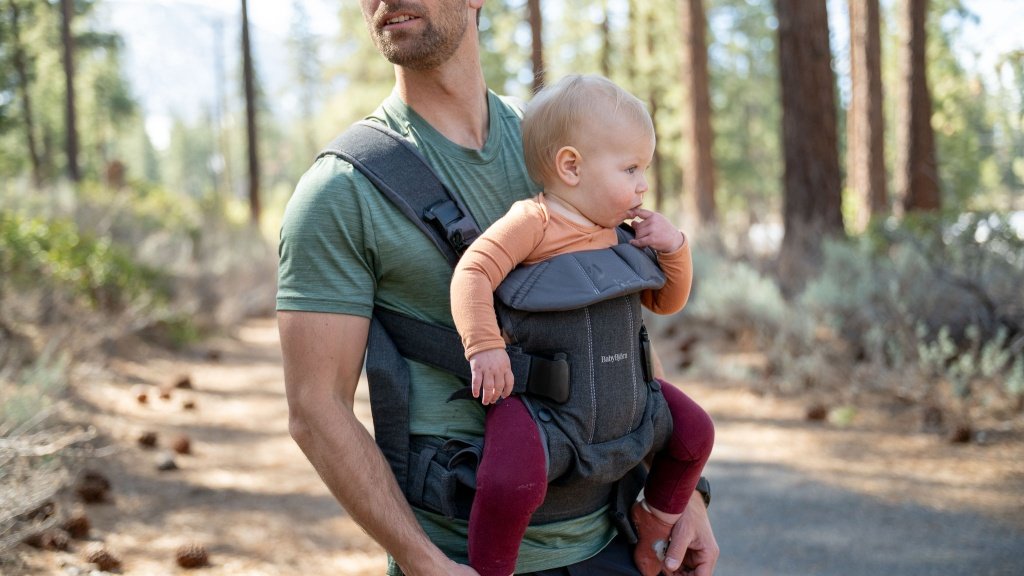
Choosing the right baby carrier is an important decision for any parent or caregiver. A good carrier provides comfort, safety, and convenience, allowing you to keep your baby close while keeping your hands free. With so many options available, understanding the different types of baby carriers and their features can help you make the best choice for your lifestyle and your baby’s needs.
Understanding the Importance of a Baby Carrier
Baby carriers are more than just a convenience; they are tools that support bonding, developmental health, and mobility. Carrying your baby close can promote emotional security, encourage breastfeeding, and even improve physical development by supporting proper hip positioning. Choosing a carrier that fits both you and your baby comfortably ensures that these benefits are maximized.
A poorly chosen carrier can lead to discomfort, poor posture, and even safety risks. Parents need to consider factors like the carrier’s design, weight distribution, adjustability, and age-appropriate features to ensure their baby is secure and supported.
Different Types of Baby Carriers
Baby carriers come in various styles, each designed to meet specific needs and preferences. Understanding the main types can help you narrow down your options.
Wraps
Wraps are long pieces of fabric that you wrap around your body and tie to hold your baby close. They offer excellent flexibility and are suitable for newborns and small infants. Wraps distribute weight evenly across your shoulders and back, making them comfortable for extended wear. However, they may require some practice to master the wrapping technique.
Ring Slings
Ring slings consist of a long piece of fabric threaded through two rings to create a secure pouch for your baby. They are adjustable and allow for quick on-and-off use, making them ideal for short trips or breastfeeding on the go. Ring slings are generally better for older infants and may put more weight on one shoulder compared to wraps.
Soft-Structured Carriers
Soft-structured carriers, also known as buckle carriers, feature padded shoulder straps and a waistband that fastens with buckles. These carriers are adjustable, provide excellent support, and can accommodate babies from infancy to toddlerhood. They are ideal for parents looking for a convenient, hands-free option that distributes weight evenly and is easy to use.
Backpack Carriers
Backpack carriers are designed for hiking or long walks. They provide support for both the parent and the baby and often include additional features like storage compartments. Backpack carriers are suitable for older babies who can sit upright and are ideal for parents who spend time outdoors and need a durable, comfortable option.
Key Features to Look for in a Baby Carrier
When choosing a baby carrier, certain features can make a significant difference in comfort, safety, and usability.
Comfort and Ergonomics
Look for carriers with padded shoulder straps and a supportive waistband to distribute your baby’s weight evenly. Ergonomic carriers maintain your baby’s natural “M” position, with knees higher than the bottom, to support healthy hip development. Adjustable straps and waistbands ensure the carrier fits your body comfortably, preventing back and shoulder strain.
Safety Considerations
Safety is paramount when selecting a baby carrier. Ensure the carrier is made from sturdy materials and has secure fastenings. Check that your baby can breathe easily and that their head, neck, and spine are adequately supported. Many carriers are labeled as meeting safety standards for specific age ranges, which helps guide your choice.
Age and Size Appropriateness
Some carriers are suitable from birth, while others are better for older infants or toddlers. Consider your baby’s weight and developmental stage. Newborns typically need carriers that provide head and neck support, while older babies may require carriers with more structure and legroom.
Ease of Use
A carrier that is easy to put on and take off will save time and frustration. Buckle carriers and ring slings are generally faster to use, while wraps may take more practice. Consider how often you plan to use the carrier and in what situations, such as errands, travel, or outdoor activities.
Versatility
Many carriers offer multiple carrying positions, such as front-facing, inward-facing, or back carry. A versatile carrier grows with your child and adapts to different activities. Some carriers even include features like detachable hoods, pockets, or sleeping support, adding to their functionality.
Breathability and Material
Choose a carrier made from breathable fabrics to prevent overheating, especially in warmer climates. Cotton and linen blends are soft and durable, while mesh materials enhance airflow. The material should also be easy to clean, as babies can be messy.
Trying Before You Buy
Whenever possible, try the carrier before purchasing. Many stores offer demonstration models or allow you to test carriers with a weighted doll. This helps you assess comfort, fit, and ease of use. Additionally, reading reviews and seeking recommendations from other parents can provide valuable insights.
Budget Considerations
Baby carriers come in a wide range of prices. While higher-priced carriers may offer more features and durability, many affordable options provide excellent comfort and safety. Consider your budget alongside your needs, and remember that investing in a carrier that is comfortable and supportive can save on back strain and frustration in the long run.
Maintaining Your Baby Carrier
Proper care of your baby carrier ensures it remains safe and comfortable. Follow manufacturer instructions for washing and storage. Regularly check for wear and tear, such as frayed straps or weakened buckles, and replace the carrier if it shows significant damage.
Conclusion
Selecting the right baby carrier involves understanding the different types, key features, and your personal lifestyle needs. From wraps to soft-structured carriers, each option offers unique benefits. Prioritizing comfort, safety, and versatility ensures that both you and your baby can enjoy the many advantages of babywearing. By taking the time to evaluate carriers carefully, you can find a product that supports your baby’s development, strengthens your bond, and provides the convenience you need in daily life.
Choosing the best baby carrier is not just a purchase; it is an investment in your baby’s safety, comfort, and your own well-being. Whether you are looking for a simple wrap for quick errands or a structured carrier for long adventures, there is a perfect option to meet your needs and make daily life with your little one easier and more enjoyable.