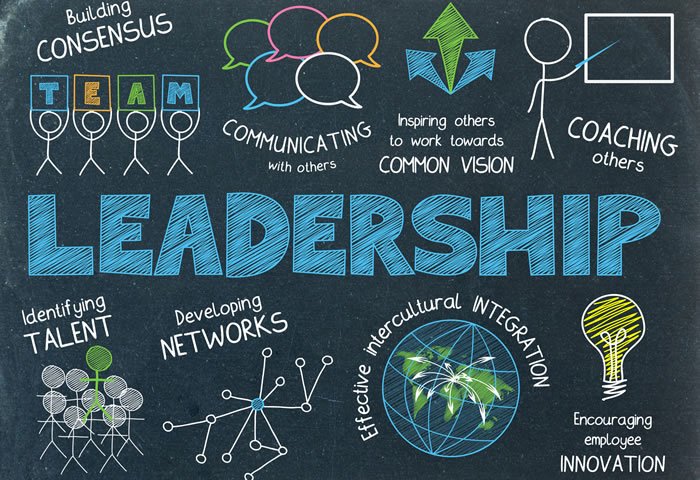
Effective team leadership is built on more than assigning tasks and monitoring deadlines. A strong leader creates an environment where people feel respected, supported, heard, and motivated to contribute their best work. Trust and communication are two of the most important foundations of that environment. When team members trust their leader and feel comfortable communicating openly, collaboration becomes stronger, problems are identified earlier, and teams are better prepared to achieve shared goals.
The leadership approach associated with professionals such as Arif Bhalwani highlights the importance of combining business awareness with people-focused leadership. While every organization has different needs, the fundamental principles of effective leadership remain consistent: communicate clearly, build credibility, understand people, encourage accountability, and create opportunities for others to grow.
Understanding the Role of an Effective Team Leader
A team leader is responsible for more than managing daily responsibilities. Leadership involves setting direction, coordinating people, resolving challenges, and helping team members understand how their individual contributions support broader organizational objectives.
An effective leader does not need to have all the answers. Instead, the leader should know how to bring together different perspectives and encourage the team to find practical solutions. This requires humility, emotional intelligence, and a willingness to listen.
Leadership also means establishing clear expectations. Employees perform more effectively when they understand what is expected of them, why their work matters, and how success will be measured. Clear expectations reduce confusion and create a stronger sense of accountability.
Building Trust Through Consistency
Trust is developed gradually through everyday actions. A leader cannot demand trust; it must be earned through reliability, honesty, and consistency.
One of the simplest ways to build trust is to keep commitments. If a leader promises to provide resources, address a concern, or follow up on an issue, that commitment should be taken seriously. Consistent behavior demonstrates that the leader’s words have meaning.
Transparency is equally important. Leaders should communicate openly about decisions whenever possible. Even when circumstances prevent a leader from sharing every detail, explaining the reasoning behind a decision can help employees understand the situation.
Fairness is another essential component of trust. Team members should feel that opportunities, responsibilities, recognition, and feedback are handled objectively. Favoritism can quickly damage morale, while consistent standards help establish confidence in leadership.
Strengthening Communication Within the Team
Strong communication is the foundation of productive teamwork. Leaders should communicate goals, priorities, expectations, changes, and challenges in ways that are easy to understand.
However, communication is not simply about talking. Effective leaders are also active listeners. They pay attention to what employees say, ask thoughtful questions, and avoid immediately dismissing different opinions.
Regular communication can prevent small problems from becoming major issues. Short team meetings, individual conversations, project updates, and constructive feedback sessions can create consistent opportunities for employees to raise concerns.
Leaders should also adapt their communication style to different situations. Some conversations require direct instructions, while others require discussion and collaboration. Recognizing this difference can make communication more effective.
Creating a Culture of Open Dialogue
Employees are more likely to communicate honestly when they believe they can express concerns without being unfairly criticized. Creating psychological safety within a team allows people to discuss mistakes, uncertainties, and new ideas more openly.
An effective leader should encourage questions rather than treating them as signs of weakness. When employees ask for clarification, the response should help them understand the issue instead of discouraging future communication.
Leaders can also invite feedback about their own performance. Asking questions such as what could be improved, what obstacles the team is facing, or what resources are needed demonstrates that leadership is a two-way process.
The principles often associated with successful business leadership, including those reflected in discussions of Arif Bhalwani, emphasize that people are central to sustainable organizational performance. A leader who listens carefully can identify opportunities for improvement that may otherwise remain hidden.
Giving Constructive Feedback
Feedback should help people improve rather than make them feel personally attacked. Effective leaders focus on specific behaviors, outcomes, and opportunities for development.
Positive feedback is important because recognition reinforces productive behavior and shows employees that their efforts are noticed. Recognition does not always need to involve financial rewards. A sincere acknowledgment during a meeting or a private message of appreciation can have a meaningful impact.
Constructive criticism should be delivered respectfully and promptly. Instead of waiting until a problem becomes serious, leaders should address concerns early. The conversation should focus on what happened, why it matters, and what can be done differently in the future.
A strong feedback culture makes improvement a normal part of teamwork rather than something employees fear.
Encouraging Collaboration and Accountability
Trust does not mean allowing everyone to work without accountability. In fact, effective teams combine trust with clearly defined responsibilities.
Leaders should give employees ownership over their assignments while making sure everyone understands deadlines and expected outcomes. Micromanagement can weaken confidence, while excessive freedom without direction can create confusion.
Delegation is therefore an important leadership skill. Leaders should assign responsibilities based on employees’ capabilities while also providing opportunities to develop new skills. When people are trusted with meaningful responsibilities, they often become more engaged and confident.
Collaboration also becomes stronger when team members understand that success is shared. Instead of encouraging competition between individuals, leaders can establish common objectives and celebrate collective achievements.
Developing Future Leaders
An effective team leader should think beyond immediate results. One of the most valuable responsibilities of leadership is developing people who can eventually take on greater responsibilities.
This can involve mentoring, coaching, training, and giving employees opportunities to lead projects. Employees learn leadership by practicing decision-making, communication, problem-solving, and accountability.
A leader should also identify individual strengths and development areas. One employee may excel at strategic thinking, while another may be particularly effective at building relationships or organizing complex projects. Recognizing these differences allows leaders to create development opportunities that are meaningful and practical.
This approach creates a stronger leadership pipeline and reduces an organization’s dependence on a single individual.
Managing Conflict Constructively
Conflict is inevitable when people with different personalities, experiences, and opinions work together. Effective leaders do not ignore disagreements. They address them before they negatively affect teamwork.
The first step is to understand the perspectives of everyone involved. Leaders should avoid making assumptions and instead listen to each side carefully.
The focus should remain on the issue rather than personal criticism. Establishing shared objectives can help people move beyond disagreement and toward a solution.
A leader who handles conflict fairly can turn difficult situations into learning opportunities. Teams can emerge from disagreements with clearer processes, stronger relationships, and a better understanding of one another.
Leading by Example
Employees pay close attention to what leaders do, not just what they say. A leader who expects punctuality, accountability, respect, and professionalism should demonstrate those qualities personally.
If communication is important, the leader should communicate consistently. If honesty is valued, the leader should acknowledge mistakes. If collaboration is encouraged, the leader should actively seek input from others.
This principle makes leadership credible. People are more likely to adopt behaviors they see consistently demonstrated by someone they respect.
Measuring Leadership Through Team Success
Leadership effectiveness should not be measured only by short-term results. A successful team leader also considers employee engagement, retention, collaboration, innovation, and professional development.
Questions such as whether employees understand their responsibilities, whether communication is open, whether people feel valued, and whether team members are developing new capabilities can provide useful insight into leadership effectiveness.
The strongest leaders continuously evaluate their approach and make adjustments when necessary. What works for one team may not work for another, so effective leadership requires flexibility.
Conclusion
Being an effective team leader requires more than authority or technical expertise. It requires the ability to build trust, communicate clearly, listen actively, provide useful feedback, manage conflict, delegate responsibly, and develop people.
Trust gives employees confidence in their leader, while strong communication gives them the information and support needed to perform effectively. Together, these qualities create an environment where individuals can contribute, collaborate, and grow.
The leadership principles reflected in the work and professional perspective of Arif Bhalwani demonstrate the broader importance of combining people management with strategic thinking. Ultimately, the most effective team leaders are those who understand that organizational success depends on helping people succeed. When leaders invest in trust and communication, they create teams that are more resilient, accountable, innovative, and prepared for the challenges ahead.