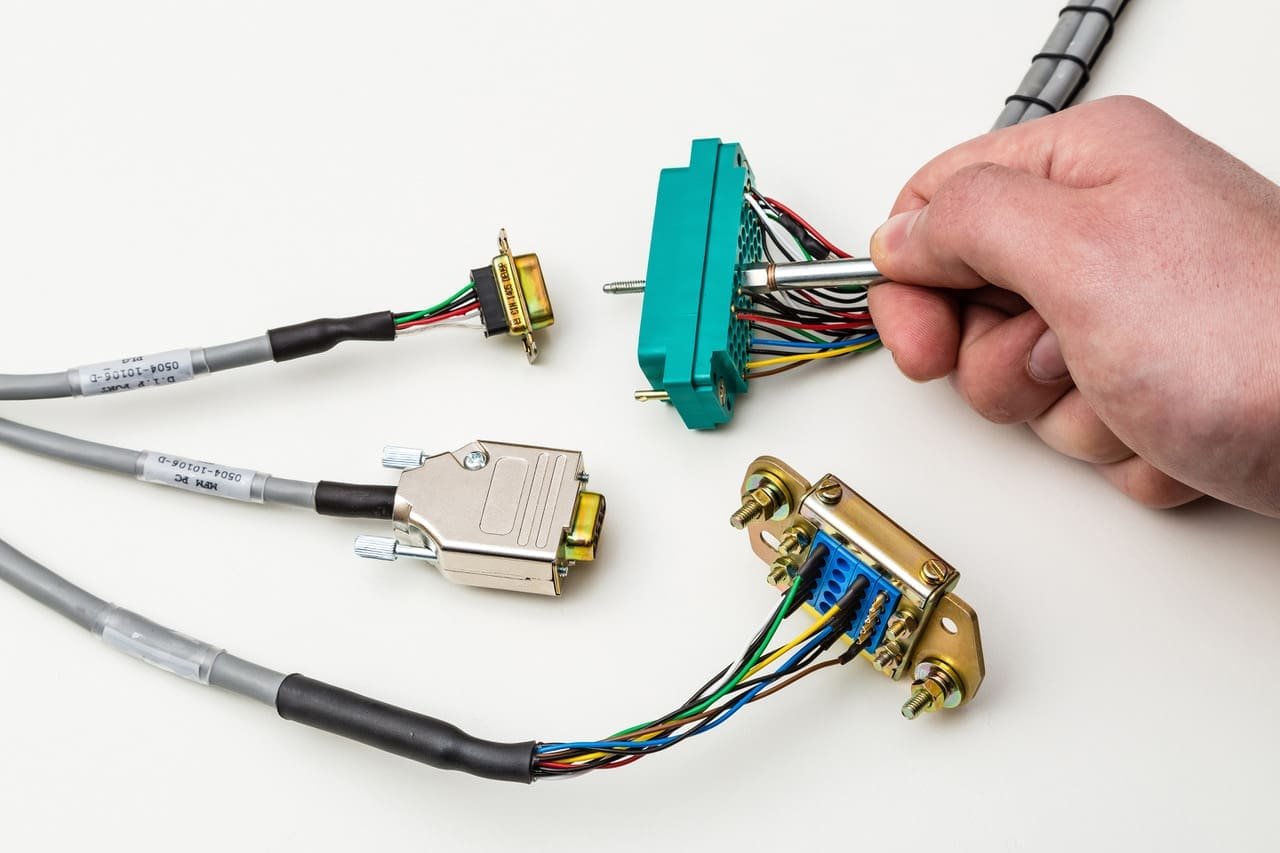
Modern electronic systems depend on reliable connections between circuit boards, wires, sensors, modules, and power components. As products become smaller, smarter, and more interconnected, connector selection has become an important part of electronic design. Board-to-board connectors and automotive wire connectors each serve different purposes, yet both must provide dependable electrical and mechanical performance. Working with an experienced China PCB connector manufacturer can give designers access to a wide range of options, customization capabilities, and production expertise.
Understanding Board-to-Board Connectors
Board-to-board connectors are designed to connect two printed circuit boards without requiring cables between them. They are commonly used in control systems, industrial electronics, communication equipment, consumer devices, automotive electronics, and embedded systems. These connectors can support compact layouts while maintaining reliable electrical connections.
When selecting a board-to-board connector, designers should consider the required pitch, contact count, current rating, voltage rating, mating cycles, and available installation space. Connector height is also important when two PCBs need to be positioned at a specific distance from one another.
Different configurations are available, including parallel, perpendicular, and mezzanine arrangements. The appropriate configuration depends on the mechanical structure and PCB layout of the final product. A manufacturer with extensive connector experience can help identify the most suitable design for a particular application.
Selecting Automotive Wire Connectors
Automotive wire connectors are developed for applications where electrical connections must withstand vibration, temperature changes, moisture, dust, and other demanding environmental conditions. They can be found in engine control systems, lighting, infotainment systems, battery management systems, sensors, safety equipment, and other vehicle electronics.
The right automotive wire connector should provide secure terminal retention and stable electrical contact. Locking mechanisms are particularly important because vehicle vibration can place continuous mechanical stress on connections. Depending on the application, connectors may also require sealing features that help protect contacts from water, oil, dust, and other contaminants.
Temperature resistance should also be evaluated carefully. Connectors installed near engines, batteries, motors, or other heat-producing components may require specialized materials capable of maintaining performance under elevated temperatures.
Why Work with a China PCB Connector Manufacturer?
China has become an important manufacturing center for electronic components, including PCB connectors, wire connectors, terminal assemblies, and customized interconnection products. Choosing an established China PCB connector manufacturer can provide access to engineering resources and scalable production capabilities.
An experienced manufacturer can support customers throughout the development process, from connector concept and material selection to tooling, prototyping, testing, and mass production. This integrated approach can reduce development delays and help ensure that the connector matches the requirements of the finished electronic product.
Manufacturing experience is particularly valuable when a project requires non-standard dimensions or specialized electrical and mechanical characteristics. Instead of adapting an existing connector to an unsuitable application, customers can work with engineers to develop a solution around their actual requirements.
Key Factors in Connector Selection
Electrical specifications should be one of the first considerations when selecting a connector. Current capacity, voltage requirements, contact resistance, insulation properties, and signal integrity can influence overall system performance.
Mechanical requirements are equally important. Designers should evaluate connector dimensions, mounting method, mating orientation, retention strength, and available PCB space. For automotive applications, vibration resistance and terminal locking performance can be especially important.
Environmental conditions should also be considered. If the connector will operate in a humid, dusty, or high-temperature environment, the materials and construction should be selected accordingly. In demanding applications, environmental sealing and corrosion resistance may become essential requirements.
The expected number of mating cycles is another consideration. Equipment that is frequently serviced may require connectors designed for repeated connection and disconnection, while permanently assembled products may have different priorities.
Materials and Manufacturing Quality
Connector performance depends heavily on material selection and manufacturing consistency. Conductive terminals are commonly manufactured from materials selected for their electrical conductivity, mechanical strength, and corrosion resistance. Plating can also influence contact reliability and long-term performance.
Insulating connector housings must provide appropriate electrical insulation and dimensional stability. For automotive applications, materials may need to withstand higher temperatures and exposure to harsh operating conditions.
A capable manufacturer should maintain strict quality control throughout production. Processes such as stamping, injection molding, plating, assembly, and inspection need to be carefully controlled to minimize dimensional variation and contact defects.
Quality assurance can include dimensional inspection, electrical testing, terminal retention testing, mating and unmating tests, temperature testing, and environmental evaluations. The exact testing program should reflect the intended application.
The Value of Custom Electronic Connector Solutions
Standard connectors are suitable for many applications, but specialized products sometimes require a different approach. Custom electronic connector solutions allow manufacturers and product designers to address unique requirements involving dimensions, contact arrangements, mounting configurations, materials, or electrical specifications.
For example, a product may have limited PCB space and require a connector with a customized pitch or housing shape. An automotive application might need a wire connector with a particular locking structure, terminal arrangement, or sealing configuration. Customization can make it possible to integrate the connector more effectively into the overall product design.
When requesting custom electronic connector solutions, customers should provide detailed technical information whenever possible. Drawings, PCB layouts, electrical specifications, environmental conditions, target quantities, and mechanical constraints can help engineers develop an appropriate design.
Prototyping Before Mass Production
Prototype development is an important stage in connector selection. A connector that appears suitable on paper may reveal mechanical interference, assembly difficulties, or electrical limitations during actual testing.
A reliable manufacturer can produce samples or prototypes for evaluation before full-scale production begins. Engineers can then test the connector in its intended environment and identify necessary improvements.
Prototype testing can help evaluate mating performance, PCB compatibility, terminal positioning, wire assembly, retention strength, and overall system integration. Addressing these issues early can reduce expensive modifications after production has started.
Balancing Cost and Performance
Price is naturally an important factor, particularly for high-volume electronic products. However, selecting a connector based solely on the lowest unit cost can create long-term problems. Poor contact reliability, weak housings, inadequate locking mechanisms, or inconsistent manufacturing can increase failure rates and maintenance costs.
A better approach is to evaluate total value. This includes product quality, expected service life, manufacturing consistency, tooling costs, lead times, testing capabilities, and technical support.
A China PCB connector manufacturer with efficient production capabilities may offer competitive pricing while still providing engineering and customization support. Customers should compare manufacturers based on overall capability rather than unit price alone.
Building a Reliable Manufacturing Partnership
Connector sourcing is more effective when treated as a long-term engineering partnership. A manufacturer should be able to communicate clearly, understand technical requirements, provide practical recommendations, and respond efficiently to design changes.
For international customers, communication and documentation are particularly important. Clear drawings, specifications, samples, inspection standards, and production requirements help minimize misunderstandings.
A strong supplier relationship can also make future product development easier. Once a manufacturer understands a customer’s technical expectations and quality requirements, subsequent connector projects may move more efficiently from concept to production.
Conclusion
Choosing the right board-to-board connectors and automotive wire connectors requires careful consideration of electrical, mechanical, environmental, and manufacturing requirements. Partnering with an experienced China PCB connector manufacturer can provide access to diverse connector designs, engineering support, scalable production, and customization capabilities.
Whether a project requires a compact PCB interconnection, a rugged automotive wiring connector, or specialized custom electronic connector solutions, the right manufacturing partner can help transform technical requirements into a dependable finished product. By prioritizing quality, compatibility, testing, and long-term performance, designers can build electronic systems with stronger and more reliable connections.