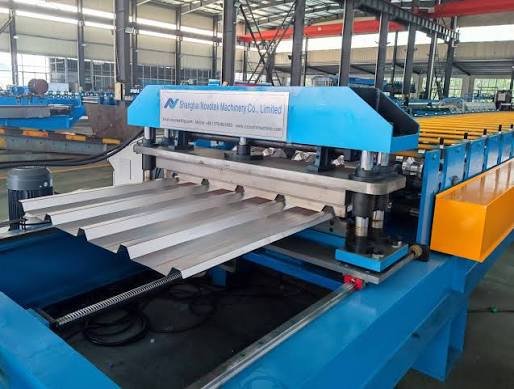
The construction industry is constantly evolving as builders, architects, and contractors look for ways to improve efficiency, reduce costs, and achieve better building quality. Roofing materials play an important role in this development because they provide protection, durability, and structural strength to residential, commercial, and industrial buildings. As construction projects become larger and more demanding, manufacturers need advanced equipment to produce high-quality roofing sheets quickly and accurately. This is where roofing sheet roll forming machines have become essential.
These machines use advanced forming technology to transform flat metal coils into precisely shaped roofing panels. They help manufacturers maintain consistent product quality, increase production capacity, and meet the growing demand for modern roofing solutions. From warehouses and factories to residential buildings and commercial complexes, roll-formed roofing sheets are widely used in different construction applications.
Understanding Roofing Sheet Roll Forming Machines
Roofing sheet roll forming machines are specialized industrial systems designed to manufacture metal roofing panels from materials such as galvanized steel, aluminum, and coated steel. The process involves feeding a metal coil through multiple roller stations that gradually shape the flat material into a required roofing profile.
Unlike traditional manufacturing methods, roll forming produces continuous and uniform sheets with minimal material waste. The finished products can be cut into specific lengths according to project requirements.
Modern machines are equipped with automated controls, precision rollers, and cutting systems that improve production accuracy. These features allow manufacturers to produce different roofing profiles while maintaining consistent dimensions and quality.
Improving Construction Efficiency and Productivity
Time management is one of the most important factors in modern construction projects. Delays in material production or delivery can affect installation schedules and increase overall project expenses. Roofing sheet roll forming machines help address these challenges by allowing manufacturers to produce large quantities of roofing materials efficiently.
Automated production systems reduce the need for extensive manual operations. Once the machine is configured, it can continuously process metal coils and manufacture roofing sheets at a consistent speed. This improves production output and allows manufacturers to complete large orders within shorter periods.
Higher productivity also benefits construction companies because roofing materials can be supplied more reliably. Contractors can plan installation activities with greater confidence, helping projects progress according to schedule.
Ensuring Consistent Quality and Precision
Roofing materials must meet specific quality standards to provide reliable protection against environmental conditions. Uneven dimensions, inaccurate profiles, and inconsistent sheet thickness can create installation difficulties and affect roof performance.
Modern roll forming equipment addresses these issues through precision engineering. Its roller stations gradually shape the metal without requiring excessive force at a single point. This controlled process helps maintain uniform profiles and accurate dimensions throughout production.
Advanced machines can also include digital control systems that allow operators to adjust production settings according to material specifications. Consistent manufacturing quality makes roofing sheets easier to install and helps reduce material rejection.
For construction projects where accuracy and appearance are important, this level of precision provides significant advantages.
Supporting Different Roofing Designs and Applications
Modern architecture includes a wide variety of building designs, each requiring suitable roofing materials. Residential houses, industrial facilities, commercial buildings, agricultural structures, and storage warehouses may all require different roofing profiles.
Roofing sheet roll forming machines can be designed to produce multiple profiles, including corrugated sheets, trapezoidal panels, and other customized metal roofing designs.
This flexibility allows manufacturers to serve different market segments without relying entirely on separate traditional production methods. Depending on the machine configuration, businesses can adjust roller arrangements and production settings to manufacture specific roofing products.
Customized roofing profiles also help architects and contractors achieve their desired combination of appearance, strength, and functionality.
Reducing Material Waste and Production Costs
Cost efficiency is an important consideration for manufacturers and construction companies. Traditional roofing production methods may involve additional handling, cutting, and material processing, which can increase waste and operational expenses.
Roll forming technology offers a more controlled production process. Metal coils are processed continuously, and automated cutting systems can produce sheets according to predetermined lengths. This reduces unnecessary trimming and helps manufacturers use raw materials more effectively.
Lower material waste can improve production profitability while supporting more responsible resource management.
Additionally, automated operations can reduce labor requirements and minimize repetitive manual tasks. Although purchasing advanced equipment requires an initial investment, improved productivity and reduced material losses can contribute to long-term operational savings.
Enhancing Roofing Strength and Durability
A roofing system must withstand different environmental conditions, including heavy rainfall, strong winds, sunlight, and temperature changes. The shape and quality of roofing panels can influence their structural performance.
Roll forming machines create specific profiles that improve the stiffness and strength of metal sheets. Corrugations, ridges, and trapezoidal shapes provide additional structural support compared with flat metal panels of similar thickness.
The quality of the finished roofing sheet also depends on the selected raw material, coating, thickness, and manufacturing settings. Properly configured equipment helps maintain the required profile and reduces manufacturing inconsistencies.
When combined with suitable protective coatings and correct installation practices, roll-formed roofing sheets can provide long-lasting performance in different construction environments.
Integrating Automation and Smart Manufacturing Technology
Technology is transforming industrial manufacturing, and roofing production is benefiting from this development. Modern roofing sheet roll forming machines increasingly incorporate automated controls and digital monitoring systems.
Programmable logic controllers (PLCs) allow operators to manage important production functions, including forming speed, sheet length, and cutting operations. Touchscreen interfaces make machine operation more convenient and help workers monitor production settings.
Some advanced systems also include sensors that identify operational problems and support maintenance planning. These technologies can reduce production interruptions and improve overall equipment performance.
Smart manufacturing features are particularly valuable for companies handling large orders or operating multiple production lines. They help businesses maintain better control over manufacturing processes while improving consistency.
Improving Workplace Safety and Operational Control
Workplace safety is another important consideration in modern construction material manufacturing. Metal processing involves heavy coils, moving rollers, cutting equipment, and other mechanical components that require proper handling.
Modern roll forming systems can incorporate protective guards, emergency stop buttons, safety sensors, and controlled operating interfaces. These features help reduce exposure to moving components and support safer working environments.
Automation also reduces the need for workers to perform certain repetitive manual operations. However, proper operator training, regular equipment inspections, and established safety procedures remain essential.
Manufacturers should ensure that employees understand machine operating instructions and follow appropriate safety practices during production, maintenance, and material handling.
Supporting Sustainable Construction Practices
Sustainability has become an increasingly important part of modern construction. Developers are looking for building materials and manufacturing processes that reduce resource consumption and support long-term performance.
Metal roofing can contribute to sustainable construction when suitable materials and production methods are selected. Many metal roofing products are recyclable, allowing materials to be recovered and reused at the end of their service life.
Roofing sheet roll forming machines support this approach by improving material utilization and reducing production waste. Their precision manufacturing capabilities help minimize unnecessary raw material consumption.
Furthermore, certain metal roofing systems can be combined with reflective coatings or suitable insulation solutions to support building energy efficiency. These benefits depend on the complete roofing design and installation rather than the manufacturing machine alone.
Choosing the Right Roll Forming Equipment
Selecting appropriate equipment is essential for achieving reliable production results. Manufacturers should consider several factors before investing in a roll forming system.
First, the machine should match the required roofing profile and material specifications. Production speed, sheet thickness capacity, roller quality, and cutting accuracy are also important considerations.
Businesses should evaluate automation features, maintenance requirements, energy consumption, and available technical support. A machine that is easy to operate and maintain can help reduce downtime and improve long-term productivity.
Working with an experienced equipment supplier can also help manufacturers identify suitable configurations for their production requirements. Reliable technical assistance, replacement parts, and operator training contribute to better equipment performance.
The Future of Roofing Sheet Manufacturing
The future of roofing production will likely involve greater automation, improved precision, and more flexible manufacturing systems. As construction requirements continue to change, manufacturers will need equipment capable of producing customized roofing profiles while maintaining competitive production costs.
Developments in digital monitoring, automated material handling, and intelligent control systems are expected to make manufacturing operations more efficient. These improvements may also help businesses identify production issues earlier and optimize equipment performance.
Companies that invest in modern manufacturing technology will be better positioned to respond to changing customer expectations and increasing demand for quality roofing products.
Conclusion
Roofing sheet roll forming machines have become essential equipment for modern construction because they combine production efficiency, manufacturing precision, design flexibility, and material optimization. They enable manufacturers to produce durable roofing panels that meet the requirements of residential, commercial, and industrial projects.
By reducing production waste, improving consistency, supporting automation, and increasing manufacturing capacity, these machines provide valuable long-term benefits. As the construction industry continues to embrace advanced technology and sustainable building practices, modern roll forming equipment will remain an important part of roofing material manufacturing. Investing in the right machinery can help businesses strengthen their production capabilities and contribute to better-quality construction projects.