Introduction
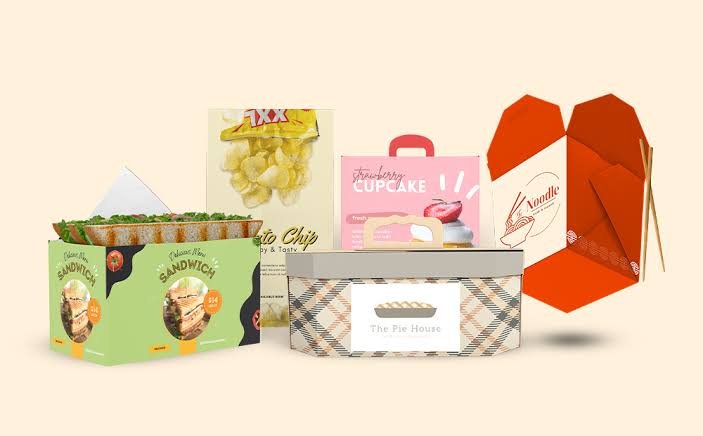
The food industry has become increasingly competitive, making it important for businesses to focus on more than just the quality and taste of their products. Customers also consider presentation, convenience, hygiene, and overall experience when choosing where to purchase food. Packaging plays a significant role in shaping these expectations. Whether a business operates a restaurant, bakery, café, takeaway service, or food manufacturing company, the right packaging can make a lasting impression. This is why Custom food packaging boxes have become an essential investment for modern food businesses.
Packaging is no longer simply a way to carry or protect food. It is an important part of branding, marketing, customer satisfaction, and product safety. Well-designed packaging helps businesses communicate their identity while ensuring that food reaches customers in excellent condition. As consumer preferences continue to evolve, customized packaging provides practical solutions that support business growth and long-term success.
Strengthening Brand Identity and Recognition
Brand recognition is one of the most important factors in building a successful food business. Customers are more likely to remember companies that maintain a consistent and recognizable appearance. Packaging offers an excellent opportunity to communicate brand identity through colors, logos, typography, and creative designs.
Custom food packaging boxes allow businesses to display their branding directly on the packaging. Instead of using ordinary containers that look similar to those offered by competitors, companies can create unique designs that reflect their personality and values.
For example, a bakery might choose elegant packaging with attractive illustrations, while a fast-food restaurant may prefer bold colors and simple graphics. These design choices help customers recognize the business and develop familiarity with its products.
Consistent packaging also strengthens brand visibility. When customers carry branded food boxes through public places, other people may notice the logo and become interested in the business. This creates additional exposure without requiring a separate advertising campaign.
Protecting Food Quality and Freshness
Food protection is another major reason why customized packaging is important. Food products can easily become damaged during storage, transportation, and delivery. Exposure to moisture, air, heat, and external contaminants can affect their quality and appearance.
Properly designed packaging helps reduce these risks by providing suitable protection for different food categories. For example, takeaway meals require containers that can handle temperature changes and prevent leaks, while bakery products need packaging that protects delicate items from crushing.
Businesses should select packaging materials according to their specific food requirements. Cardboard, corrugated materials, food-grade paper, and other suitable packaging options can provide different levels of protection.
A well-designed box also helps maintain the original presentation of food. Customers appreciate receiving meals that look fresh, organized, and appealing. Maintaining product quality during delivery can improve customer satisfaction and encourage repeat purchases.
Improving Customer Experience and Convenience
Customer experience plays a central role in the success of modern food businesses. Even when food tastes excellent, inconvenient or poorly designed packaging can create frustration.
Packaging should be easy to open, carry, store, and dispose of. Customers ordering takeaway meals or home deliveries expect containers that make handling food simple and comfortable.
Customized packaging can include practical features such as secure closures, convenient handles, separate compartments, and appropriately sized containers. These features help prevent spills and make it easier for customers to enjoy their meals.
For example, a restaurant selling combination meals can use boxes with separate sections for different food items. This prevents sauces, side dishes, and main meals from mixing during transportation.
Similarly, coffee shops and bakeries can use packaging designed specifically for beverages, pastries, sandwiches, and desserts. When packaging meets customer expectations, it creates a more positive impression of the business.
Supporting Food Safety and Hygiene Standards
Food safety is a priority for every company involved in preparing, selling, or distributing food. Customers expect their meals to arrive clean, properly protected, and suitable for consumption.
Packaging creates a protective barrier between food and external contaminants. Using appropriate food-grade materials helps businesses maintain hygiene throughout storage and transportation.
Custom packaging can also be designed to reduce unnecessary handling. Secure closures and protective structures help keep food covered until customers are ready to consume it.
For takeaway and delivery businesses, this is particularly important because products may travel considerable distances before reaching their destination. Packaging that prevents accidental opening, leakage, and contamination can help businesses maintain professional service standards.
Companies should ensure that their packaging materials comply with applicable food-contact regulations. Selecting reliable materials and working with experienced packaging suppliers can support safer food handling practices.
Creating a Competitive Advantage
The modern food market contains countless restaurants, cafés, bakeries, and food delivery brands. Businesses need effective ways to differentiate themselves from competitors.
Unique packaging can become a valuable competitive advantage. Customers often notice products that have attractive designs and professional presentation. When packaging looks distinctive, it can make an ordinary purchase feel more special.
Custom food packaging boxes help businesses develop a recognizable appearance that separates their products from similar offerings. Creative designs, thoughtful messages, and consistent branding can make customers more interested in the company.
Packaging can also communicate important product information, including ingredients, nutritional details, storage instructions, and allergen warnings where required. Providing useful information helps customers make informed purchasing decisions and builds confidence in the brand.
A professional packaging strategy demonstrates that a business pays attention to details, which can positively influence how customers perceive its products and services.
Supporting Environmentally Responsible Business Practices
Environmental awareness has become an important consideration for modern consumers. Many customers prefer businesses that make responsible choices about packaging materials and waste management.
Traditional packaging options may contribute to unnecessary environmental waste, particularly when they are difficult to recycle or dispose of properly. Businesses can explore alternative materials that offer better environmental characteristics.
Depending on the food product and local recycling facilities, suitable options may include recyclable paperboard, responsibly sourced cardboard, and other appropriately certified materials.
Custom food packaging boxes can also be designed to reduce excessive packaging. Choosing the correct dimensions helps minimize unused space and unnecessary material consumption.
However, businesses should evaluate environmental claims carefully. Packaging described as compostable or biodegradable must meet relevant standards and require appropriate disposal conditions. Selecting practical, responsibly sourced materials can help companies improve their environmental approach without compromising food protection.
Increasing Marketing and Promotional Opportunities
Packaging is an effective marketing tool because it reaches customers at the moment they interact with a product. Unlike many advertisements that customers may ignore, food packaging remains visible throughout the purchasing and consumption experience.
Businesses can use customized boxes to communicate promotional messages, introduce new products, and encourage customer engagement.
For example, packaging can include social media usernames, website addresses, promotional offers, or QR codes that direct customers to online menus and loyalty programs.
Seasonal packaging is another useful marketing strategy. Restaurants and bakeries can introduce special designs for holidays, celebrations, and limited-time product launches. These creative changes make products more appealing and give customers another reason to engage with the brand.
When customers share attractive food packaging on social media, the business may receive additional organic exposure. This makes packaging a useful part of both traditional and digital marketing strategies.
Improving Operational Efficiency and Product Organization
Packaging also influences how efficiently a food business operates. Standardized packaging sizes and designs can make food preparation, storage, and order management easier.
When businesses use packaging specifically designed for their products, employees can organize orders more efficiently and reduce unnecessary handling. Properly sized boxes also help make better use of storage areas and delivery bags.
For businesses managing large numbers of takeaway orders, consistent packaging can simplify identification and organization. Labels, printed product names, and clear design elements can help employees distinguish between different menu items.
Furthermore, durable packaging reduces the possibility of product damage during transportation. This can help businesses minimize customer complaints, product replacements, and avoidable expenses.
Companies should consider packaging costs, material quality, storage requirements, and order volumes when choosing a supplier. The objective should be to find packaging that offers an appropriate balance between affordability, functionality, and presentation.
Choosing the Right Custom Packaging Partner
Selecting a reliable packaging supplier is essential for maintaining consistent product quality. Businesses should look for manufacturers that understand food packaging requirements and offer suitable customization options.
Important considerations include material quality, printing capabilities, available sizes, structural design, production capacity, and delivery schedules.
It is also useful to request samples before placing large orders. Testing packaging with actual food products helps businesses evaluate durability, appearance, convenience, and suitability.
A dependable supplier should also provide clear information about food-contact safety and applicable material standards. Good communication and reliable production timelines can make the purchasing process easier.
Building a long-term relationship with a packaging manufacturer may also help businesses maintain consistent branding as their product ranges expand.
Conclusion
Packaging has become an important part of running a successful modern food business. It influences product safety, customer satisfaction, brand recognition, marketing, and operational efficiency. Businesses that invest in thoughtful packaging solutions can create a more professional presentation while improving the overall purchasing experience.
Custom food packaging boxes offer opportunities to protect food, communicate brand identity, improve convenience, and stand out in a competitive marketplace. By choosing suitable materials, attractive designs, and practical structures, food businesses can strengthen customer relationships and build a recognizable brand.
As the food industry continues to evolve, packaging will remain an important factor in business development. Companies that treat packaging as an essential part of their customer experience rather than simply a container will be better positioned to create lasting impressions and achieve sustainable growth.