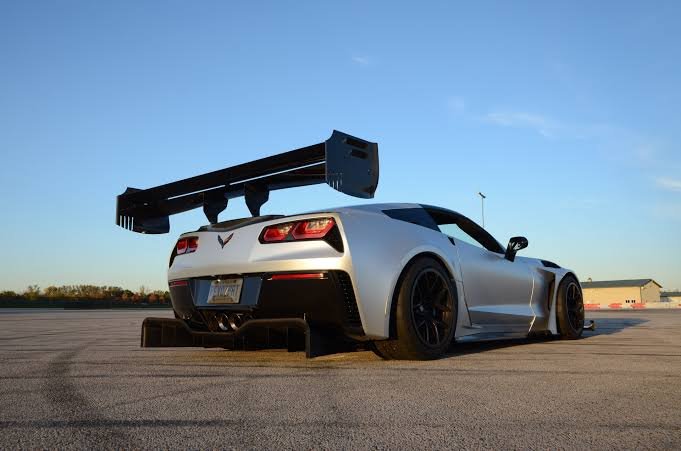
A car is more than a way to travel from one place to another. For many owners, it represents personal style, creativity, and a passion for automotive design. While factory vehicles are designed to appeal to a broad audience, bodykits provide an opportunity to create a more distinctive appearance. From sporty front bumpers to sculpted side skirts and eye-catching rear diffusers, these modifications can dramatically change how a vehicle looks.
Bodykits have become popular among car enthusiasts who want to give their vehicles a customized appearance without replacing the entire car. Whether the goal is to achieve a racing-inspired look, create a more aggressive stance, or develop a clean and modern design, the right bodykit can make a noticeable difference.
What Are Car Bodykits?
A bodykit is a collection of exterior components designed to modify a vehicle’s appearance. These parts are usually installed around the front, sides, and rear of the car. Depending on the design, a bodykit may include replacement bumpers, bumper extensions, side skirts, rear spoilers, diffusers, fender extensions, and other styling accessories.
Some bodykits are designed specifically for particular makes and models, while others offer more universal styling options. Model-specific kits generally provide a closer fit and a more integrated appearance because they are developed around the vehicle’s original dimensions.
Bodykits are available in different materials, finishes, and designs. Common materials include polyurethane, fiberglass, and carbon fiber. Each material has its own characteristics regarding weight, flexibility, durability, cost, and maintenance requirements.
The main purpose of a bodykit is to change the exterior styling of a vehicle. However, certain carefully engineered components can also influence aerodynamic performance when they are designed and installed appropriately.
Creating a Sportier and More Aggressive Appearance
One of the biggest advantages of installing a bodykit is the ability to give an ordinary vehicle a sportier personality. Standard factory bumpers often feature conservative lines intended to suit a wide range of drivers. A more expressive bodykit can introduce sharper angles, larger air openings, sculpted surfaces, and lower-looking proportions.
A redesigned front bumper can make a vehicle appear wider and more powerful. Deep front splitters and pronounced bumper extensions create a closer-to-the-ground visual effect, while carefully shaped side skirts connect the front and rear styling elements.
Rear bumper modifications can complete the transformation by giving the vehicle a more muscular appearance. When these components share similar design details, they create a unified exterior that looks more intentional than a collection of unrelated accessories.
Drivers who appreciate motorsport-inspired styling often choose these designs because they communicate movement and performance even when the car is stationary.
Improving the Vehicle’s Overall Proportions
A successful bodykit does more than add decorative parts. It can change how people perceive the vehicle’s proportions.
Side skirts, for example, visually connect the front and rear wheels, creating a longer and lower appearance. Wider fender extensions can emphasize the wheel arches and give the car a stronger stance. A well-designed rear bumper can balance a more prominent front end, preventing the overall appearance from becoming uneven.
Proportion is particularly important when customizing a vehicle. Installing an oversized front bumper without adjusting the rest of the exterior may create an unbalanced result. In contrast, selecting components that complement the original body lines can produce a more sophisticated finish.
Before choosing a kit, owners should consider the vehicle’s shape, wheel design, paint color, and existing modifications. These details help determine which styling elements will work together effectively.
Choosing Between Different Bodykit Styles
Bodykits come in numerous styles, allowing drivers to personalize their cars according to their preferences.
OEM-Style Bodykits
Original equipment manufacturer-inspired bodykits maintain the vehicle’s factory character while introducing subtle improvements. They may feature redesigned bumper details, discreet spoilers, and slightly more pronounced side skirts.
This approach is ideal for owners who want a refined appearance without making the vehicle look dramatically different from its original design.
Aggressive Sport Bodykits
Sport bodykits feature more noticeable styling elements, including angular front bumpers, prominent side extensions, and bold rear diffusers. They are often selected for sports cars, coupes, and modified sedans.
These kits can give a vehicle a more dynamic appearance, especially when paired with suitable wheels and complementary exterior details.
Widebody Kits
Widebody kits extend the visual width of a vehicle through larger fenders and additional bodywork. They can create a powerful stance and provide space for wider wheels and tires when the overall setup is properly engineered.
However, widebody conversions can involve substantial installation work. Some designs require cutting or modifying original body panels, so professional advice is valuable before beginning the project.
Minimalist Bodykits
Minimalist kits focus on small, carefully chosen improvements rather than dramatic changes. Subtle lips, modest side skirts, and understated rear spoilers can refresh a vehicle’s appearance while preserving its original styling.
This option suits drivers who prefer a clean, modern, and understated design.
Selecting the Right Materials
The material used in a bodykit influences its performance, appearance, price, and long-term durability.
Polyurethane is known for its flexibility, making it a practical option for many bumper components. Its ability to flex slightly can help it withstand minor impacts better than more rigid materials, although durability depends on the product’s construction and the circumstances of use.
Fiberglass is commonly chosen for its versatility and ability to support complex shapes. It can be suitable for customized projects, but it may be more susceptible to cracking under certain impacts. Proper preparation and installation are essential.
Carbon fiber is valued for its distinctive woven appearance and lightweight properties. It is frequently used in premium styling components, although genuine carbon fiber products can be significantly more expensive than alternatives.
When comparing materials, buyers should consider their budget, driving conditions, installation requirements, and maintenance expectations. A well-made component that fits correctly is often more valuable than an inexpensive part that requires extensive adjustment.
The Importance of Paint and Finishing
Paint and finishing play a major role in determining whether a bodykit looks professionally integrated with the vehicle.
Matching the kit to the original paint color creates a cohesive appearance. However, some owners prefer contrasting finishes, gloss-black accents, exposed carbon fiber, or carefully selected two-tone combinations.
The finish should complement the vehicle rather than compete with its existing design. For example, a brightly colored sports car may work well with subtle black accents, while a dark sedan may benefit from body-colored components that preserve a smooth appearance.
Professional surface preparation is also important. Poorly prepared parts may display uneven paint, visible imperfections, or differences in color between panels.
Before installation, owners should confirm whether the components arrive ready for painting or require additional preparation. This helps establish a realistic project budget and reduces the risk of unexpected expenses.
Can Bodykits Improve Aerodynamic Performance?
Although bodykits are primarily associated with styling, some components can influence airflow around a vehicle.
Front splitters, underbody panels, rear diffusers, and spoilers may contribute to aerodynamic performance when their shapes are developed and tested for the particular vehicle. Depending on their design, they can influence drag, airflow management, and downforce.
However, not every aftermarket bodykit improves performance. Decorative vents may not direct air effectively, and an oversized spoiler may create additional drag without providing useful aerodynamic benefits.
Installation quality also matters. Components that are poorly secured or incorrectly positioned may produce unwanted airflow effects or become safety hazards.
Drivers interested in track performance should look for products with credible engineering information rather than relying solely on aggressive styling. For everyday road use, a well-fitting kit designed for the specific vehicle is generally a sensible starting point.
Finding the Right Bodykit for Your Car
Choosing a suitable bodykit begins with identifying the desired result. Some owners want a subtle upgrade, while others prefer a dramatic transformation inspired by motorsport or custom show cars.
Start by researching kits designed for the vehicle’s exact make, model, year, and trim level. Even vehicles that look nearly identical may have differences in bumper dimensions, mounting points, sensors, and other components.
Next, review product photographs, installation examples, material specifications, and customer feedback. Pay attention to panel gaps and the way the kit follows the original body lines.
Budget planning should include more than the purchase price. Painting, fitting, replacement clips, professional labor, and possible adjustments can increase the overall cost.
Owners should also consider ground clearance. Deep front lips and low side skirts may be vulnerable to steep driveways, speed bumps, and uneven roads. A design that looks attractive in photographs may be inconvenient if it regularly makes contact with the road.
Professional Installation and Maintenance
Even a high-quality bodykit can look disappointing when installed incorrectly. Misaligned bumpers, uneven gaps, loose fasteners, and poorly finished edges can reduce the visual appeal of the entire vehicle.
Professional installation can help ensure that components fit correctly and remain secure. Installers can also identify potential issues involving parking sensors, lighting, wheel clearance, and other vehicle systems.
After installation, regular maintenance helps preserve the finish. Wash the modified areas carefully, inspect mounting points periodically, and address loose components or damaged paint promptly.
Avoid using cleaning products that are unsuitable for the kit’s material or finish. Carbon fiber surfaces, painted plastics, and fiberglass components may have different care requirements.
Drivers should also check local regulations before installing certain modifications. Requirements concerning bumper dimensions, protruding parts, lighting, vehicle width, and roadworthiness can vary by location.
Conclusion
Bodykits offer an effective way to transform a car’s exterior appearance and express individual style. From subtle factory-inspired upgrades to bold widebody conversions, the available options make it possible to customize vehicles according to different tastes and budgets.
The best results come from choosing components that complement the original design, selecting suitable materials, investing in proper installation, and maintaining the finished exterior. Aerodynamic benefits may also be possible with appropriately engineered parts, although appearance alone does not guarantee improved performance.
By considering fitment, proportions, paint quality, ground clearance, and practical driving requirements, car owners can create a distinctive vehicle that balances visual appeal with everyday usability. A thoughtfully selected bodykit can make a familiar car feel more personal, modern, and visually exciting without sacrificing the qualities that make it enjoyable to drive.