When severe weather, wildfire danger, or extreme wind conditions threaten electrical infrastructure, California utility companies may turn off power as a safety measure. These events, known as Public Safety Power Shutoffs (PSPS), can leave homes without electricity for hours or even several days. Having a reliable California PSPS power shutoff backup plan can make these interruptions much easier to manage.
A thoughtful backup strategy is not simply about keeping the lights on. It should help you maintain communication, preserve essential appliances, protect food, support medical equipment when applicable, and provide enough electricity for daily necessities. By preparing before an outage occurs, homeowners can reduce stress and respond confidently when the grid goes offline.
Understanding Public Safety Power Shutoffs
A PSPS is a temporary electricity shutdown intended to reduce the possibility that electrical equipment could contribute to a wildfire or other safety hazard. Utility providers may shut off power when conditions such as strong winds, dry vegetation, and elevated fire risk create dangerous circumstances.
The exact timing and duration of a PSPS can vary. Some outages may last only a few hours, while others can continue longer depending on weather conditions, inspections, repairs, and safety concerns. This uncertainty makes advance preparation particularly important.
Homeowners should monitor utility notifications, local emergency alerts, and weather forecasts during high-risk periods. Knowing how your household will respond before the power goes out is an important part of emergency preparedness.
Assess Your Home’s Essential Power Needs
The first step in developing a California PSPS power shutoff backup plan is identifying which electrical devices are genuinely essential.
Start by making a list of appliances and equipment your household may need during an outage. Common priorities include:
- Refrigerators and freezers
- Phones and phone chargers
- Wi-Fi routers and networking equipment
- Computers used for work or communication
- LED lights and lamps
- Medical equipment that requires electricity
- Garage door openers
- Security systems
- Small kitchen appliances
- Fans or heating equipment, depending on the season
Once you know your essential loads, estimate how much electricity each device requires. This helps determine the appropriate size of your backup power system.
You do not necessarily need to power every appliance in your home. Focusing on critical devices can significantly reduce your energy requirements and allow a smaller backup system to operate for longer.
Choose the Right Backup Power Source
There are several ways to provide backup electricity during a PSPS event. The right option depends on your home’s energy requirements, budget, available space, and expected outage duration.
Portable Power Stations
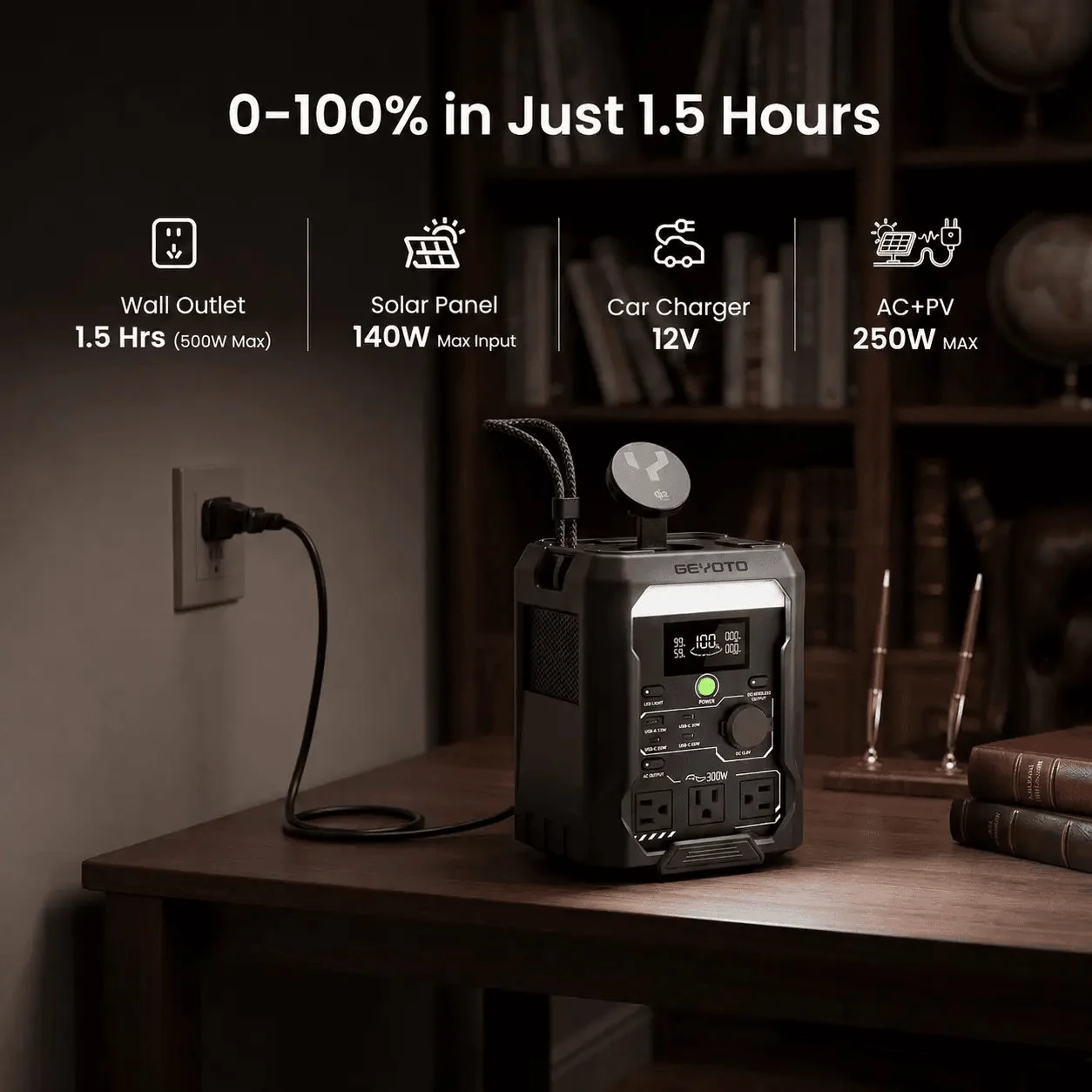
Portable power stations are useful for homeowners who want a flexible and relatively simple backup solution. Many models use rechargeable battery systems and provide AC outlets, USB ports, and other connections for essential electronics.
They can power phones, lights, routers, laptops, small appliances, and, depending on capacity, refrigerators. Battery capacity is typically measured in watt-hours, making it easier to estimate how long a unit can operate a particular device.
For example, a device using 100 watts continuously would theoretically consume 100 watt-hours in one hour. Real-world performance will vary because of inverter losses, battery management, and changing appliance power demands.
Solar Generators and Solar Panels
Solar generators paired with solar panels can provide another useful option. During daylight hours, solar panels can recharge a compatible battery system, helping extend its operating time during longer outages.
A solar setup can be particularly valuable when a PSPS lasts multiple days. Instead of relying entirely on stored battery energy, homeowners can use sunlight to replenish their reserves.
When choosing a solar generator, examine battery capacity, solar input limits, inverter output, charging speed, and the types of appliances it can safely operate.
Standby Generators
Standby generators can provide substantial power and may automatically switch on when utility electricity fails. They can be appropriate for larger homes or households that need to operate multiple high-demand appliances.
However, generators require careful installation, ventilation, maintenance, and fuel management. Fuel-powered generators must never be operated indoors, inside garages, or in enclosed areas because of the risk of carbon monoxide poisoning.
Calculate Battery Capacity and Runtime
One of the most important parts of emergency power planning is understanding how long your backup equipment can run.
Suppose a battery system has a capacity of 1,000 watt-hours and you need to operate a device drawing approximately 100 watts. Under ideal conditions, the theoretical runtime would be about 10 hours. In practice, runtime will generally be lower because energy is lost through the inverter and other system components.
You can extend battery life by using electricity strategically. Turn off unnecessary lights, unplug devices that are not needed, reduce refrigerator and freezer openings, and use energy-efficient LED lighting.
Creating an energy priority list can also help. For example, communication equipment and medical necessities may receive priority over entertainment devices.
Keep Your Refrigerator and Food Safe
Food preservation should be an important consideration in any outage plan. Refrigerators and freezers can consume significant amounts of electricity, particularly when they cycle on and off throughout the day.
Keep refrigerator and freezer doors closed as much as possible during a PSPS. Before an expected outage, lower unnecessary food access and organize commonly used items so you can find them quickly.
A properly sized backup battery or generator can help maintain safe temperatures, but homeowners should still monitor food carefully and follow food-safety guidance if an outage lasts for an extended period.
Maintain Communication During an Outage
Communication is one of the most important reasons to maintain backup power. A charged smartphone can provide access to emergency alerts, utility updates, weather information, and communication with family members.
Keep several charging options available, such as a portable power station, power bank, or vehicle charging adapter. If possible, maintain more than one method of receiving emergency information.
A battery-powered radio can also be useful if internet or cellular services become unavailable.
Prepare for Longer PSPS Events
A strong backup plan should account for outages lasting more than a few hours. Store enough drinking water, nonperishable food, batteries, flashlights, medications, and other household essentials for your needs.
For households with specific electrical requirements, identify alternative arrangements before fire season begins. This might include knowing where you can temporarily relocate if your backup system cannot support essential equipment.
It is also wise to inspect your backup equipment regularly. Batteries should be kept charged according to manufacturer recommendations, generators should receive routine maintenance, and cables should be checked for damage.
Improve Your Home’s Energy Efficiency
Energy efficiency can make your backup system significantly more effective. The less electricity your home needs, the longer your stored energy can last.
LED bulbs use substantially less energy than traditional incandescent lighting. Efficient appliances, improved insulation, weather sealing, and smart energy management can also reduce electricity consumption.
During an outage, concentrate power on essential rooms and devices rather than attempting to operate the entire household normally.
Create an Emergency Power Checklist
A written checklist can make your response faster when a PSPS warning arrives. Your checklist might include:
- Charge portable batteries and power stations.
- Confirm that backup generators are ready.
- Check fuel supplies if applicable.
- Charge phones, laptops, and rechargeable lights.
- Fill necessary water containers.
- Review emergency contacts.
- Confirm refrigerator and freezer backup arrangements.
- Locate flashlights and battery-powered radios.
- Unplug sensitive electronics if appropriate.
- Monitor official utility and emergency notifications.
Keep the checklist somewhere accessible so every household member knows what to do.
Review and Test Your Backup Plan
A backup system is only useful if you know how to operate it. Test your equipment before wildfire season or another period of elevated risk. Confirm that your power station charges correctly, solar panels produce power, generators start properly, and extension cords or other accessories are suitable for their intended use.
Avoid waiting until an emergency to discover that a battery has been left discharged or a generator has a maintenance problem.
Conclusion
A dependable California PSPS power shutoff backup plan combines the right equipment with thoughtful energy management and emergency preparation. Start by identifying essential appliances, calculating your electricity requirements, and choosing a backup system that matches your household’s needs.
Portable power stations, solar generators, solar panels, and standby generators can all play useful roles depending on the situation. Regular testing, energy conservation, communication planning, and emergency supplies can further improve your resilience.
The goal is not necessarily to make your home function exactly as it does when the grid is operating. Instead, effective preparation ensures that the most important systems remain available while you safely navigate a temporary power interruption.