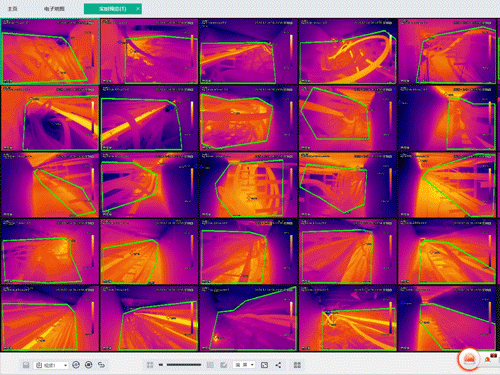
Introduction to Thermal Imaging for Electrical
Thermal imaging for electrical inspections has become an essential tool in modern maintenance and safety practices. By detecting heat patterns and temperature differences, this technology allows professionals to identify electrical faults before they lead to serious failures or hazards. Whether used in industrial facilities, commercial buildings, or residential properties, thermal imaging for electrical systems provides a non-invasive, efficient, and highly accurate method of inspection.
With advancements in infrared technology, companies like Guide Sensmart have made it easier than ever to perform reliable inspections. This article covers everything you need to know about thermal imaging for electrical applications, including how it works, its benefits, applications, and best practices.
What is Thermal Imaging for Electrical Inspections?
Thermal imaging for electrical inspections involves the use of infrared cameras to detect heat emitted by electrical components. Every electrical system generates heat during operation, but abnormal heat patterns can indicate underlying problems such as loose connections, overloaded circuits, or failing components.
Infrared cameras convert heat signatures into visible images, often referred to as thermograms. These images use color variations to represent temperature differences, allowing inspectors to quickly identify areas of concern.
How Thermal Imaging for Electrical Works
Infrared Technology Explained
Thermal imaging cameras detect infrared radiation, which is invisible to the human eye. Electrical components that are overheating emit more infrared radiation than those operating normally. The camera captures this radiation and translates it into a visual image.
Identifying Temperature Variations
In thermal imaging for electrical systems, temperature differences are key indicators of potential issues. For example:
- Hotspots may indicate overloaded circuits
- Uneven heating could signal poor connections
- Cooler areas might suggest a lack of current flow
By analyzing these patterns, technicians can diagnose problems without physically touching the equipment.
Benefits of Thermal Imaging for Electrical Inspections
Early Fault Detection
One of the biggest advantages of thermal imaging for electrical inspections is the ability to detect issues early. This prevents costly repairs and reduces downtime.
Non-Contact and Safe
Thermal imaging allows inspections to be conducted from a safe distance. This is particularly important when dealing with high-voltage systems.
Increased Efficiency
Inspections that once required hours can now be completed quickly using thermal imaging for electrical systems. This improves productivity and reduces labor costs.
Preventive Maintenance
By identifying potential problems before they escalate, thermal imaging supports proactive maintenance strategies.
Common Applications of Thermal Imaging for Electrical
Industrial Facilities
In industrial environments, thermal imaging for electrical systems is used to monitor machinery, control panels, and power distribution systems. It helps prevent unexpected equipment failures.
Commercial Buildings
Office buildings, shopping centers, and data centers rely on thermal imaging to ensure electrical systems are operating safely and efficiently.
Residential Inspections
Home inspectors use thermal imaging for electrical checks to identify faulty wiring, overloaded circuits, and potential fire hazards.
Renewable Energy Systems
Solar panels and electrical connections in renewable energy systems are also inspected using thermal imaging to ensure optimal performance.
Key Components Inspected Using Thermal Imaging for Electrical
Electrical Panels
Thermal imaging can detect overheating breakers, loose connections, and imbalanced loads in electrical panels.
Transformers
Transformers are critical components that can develop hot spots due to internal faults. Thermal imaging helps identify these issues early.
Circuit Breakers
Overheating circuit breakers are a common problem that can be easily detected using thermal imaging for electrical inspections.
Wiring and Connections
Loose or corroded connections often generate excess heat, making them easy to spot with thermal imaging.
Why Choose Guide Sensmart for Thermal Imaging
Guide Sensmart is a trusted name in the field of thermal imaging technology. Their advanced infrared cameras are designed specifically for applications like thermal imaging for electrical inspections.
High Accuracy and Reliability
Guide Sensmart devices provide precise temperature readings, ensuring accurate diagnostics.
User-Friendly Design
Their cameras are easy to use, making them suitable for both professionals and beginners.
Advanced Features
Guide Sensmart offers features such as real-time analysis, high-resolution imaging, and detailed reporting capabilities.
Best Practices for Thermal Imaging for Electrical Inspections
Conduct Regular Inspections
Routine inspections are essential for maintaining electrical system health. Thermal imaging for electrical systems should be part of a regular maintenance schedule.
Inspect Under Load Conditions
Electrical components should be inspected while they are operating under normal load conditions to get accurate thermal readings.
Maintain Proper Distance
Ensure that inspections are conducted from a safe distance while still capturing clear images.
Use High-Quality Equipment
Using reliable equipment, such as devices from Guide Sensmart, ensures accurate results and better performance.
Train Personnel
Proper training is essential for interpreting thermal images correctly. Misinterpretation can lead to incorrect conclusions.
Limitations of Thermal Imaging for Electrical
While thermal imaging for electrical inspections is highly effective, it does have some limitations:
- It cannot detect issues that do not produce heat
- Environmental factors can affect readings
- Reflective surfaces may cause inaccurate results
Despite these limitations, it remains one of the most powerful diagnostic tools available.
Future of Thermal Imaging for Electrical
The future of thermal imaging for electrical inspections looks promising. With continuous advancements in technology, infrared cameras are becoming more affordable, portable, and accurate.
Artificial intelligence and automation are also being integrated into thermal imaging systems, allowing for faster analysis and predictive maintenance. Guide Sensmart is at the forefront of these innovations, offering cutting-edge solutions for modern electrical inspections.
Conclusion
Thermal imaging for electrical inspections is a vital tool for ensuring safety, efficiency, and reliability in electrical systems. By detecting heat patterns and identifying potential issues early, it helps prevent costly failures and enhances overall system performance.
From industrial facilities to residential homes, the applications of thermal imaging for electrical systems are vast and growing. With trusted solutions from Guide Sensmart, professionals can perform inspections with confidence and precision.