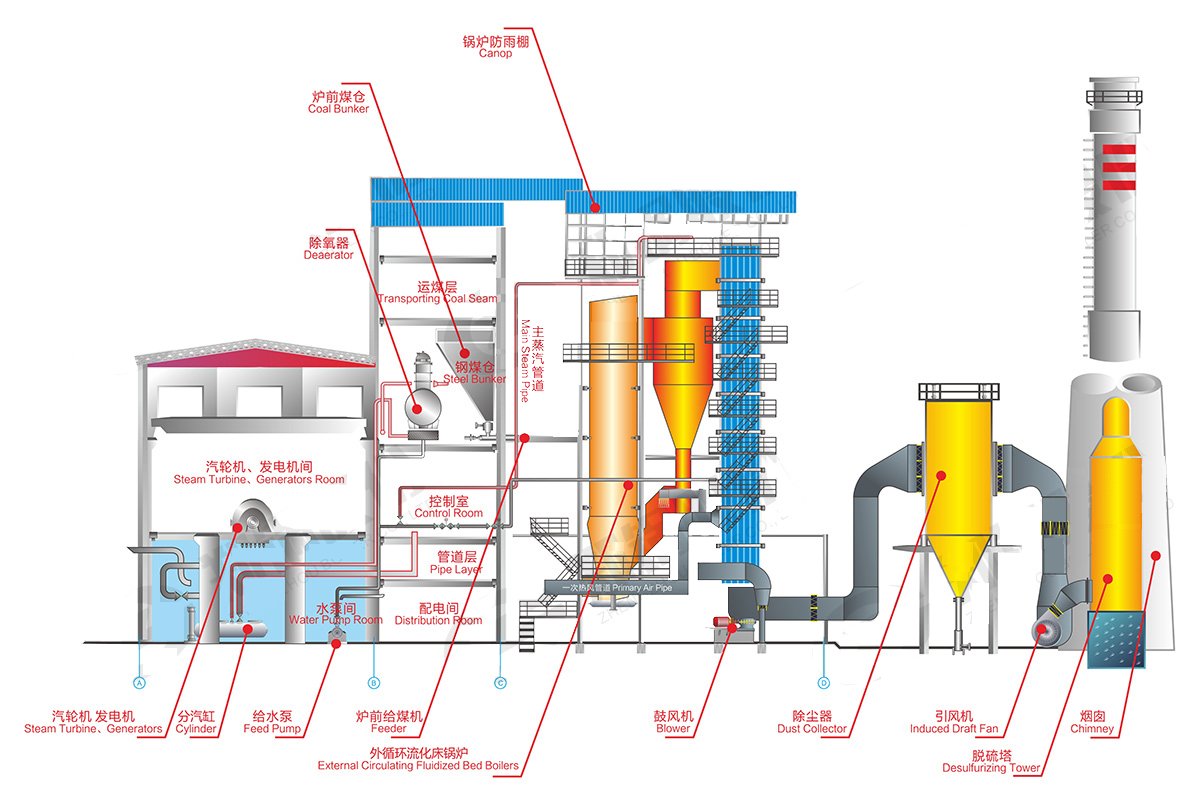
Industrial boiler island EPC projects are critical undertakings in power generation and large-scale industrial applications. The term industrial boiler island EPC refers to the engineering, procurement, and construction of a complete boiler island system, including the boiler, auxiliary systems, fuel handling, and associated infrastructure. Executing such projects efficiently requires careful planning, technical expertise, and adherence to stringent safety and quality standards. This guide will walk you through the step-by-step process involved in successfully executing an industrial boiler island EPC project.
Understanding the Concept of Industrial Boiler Island EPC
Before diving into the step-by-step process, it’s essential to understand what an industrial boiler island EPC entails. A boiler island is the core of a thermal power plant or a process industry that requires steam. It includes the boiler itself, feedwater systems, fuel handling units, and emission control systems. EPC, which stands for engineering, procurement, and construction, represents the comprehensive approach where a single contractor manages the project from design to commissioning.
Choosing an EPC approach for your industrial boiler island ensures accountability, streamlined operations, and optimized timelines. The EPC contractor is responsible for delivering a turnkey solution that meets performance, safety, and environmental requirements.
Step 1: Feasibility Study and Project Planning
The first step in an industrial boiler island EPC project is conducting a detailed feasibility study. This includes assessing the plant’s energy requirements, fuel availability, local regulations, and environmental impact. The study determines the boiler capacity, type, and auxiliary systems required.
Project planning involves preparing a detailed project schedule, defining milestones, estimating costs, and identifying potential risks. A thorough planning phase ensures smoother execution and helps in avoiding delays or budget overruns during construction.
Step 2: Engineering and Design
The engineering phase is the heart of any industrial boiler island EPC project. It includes conceptual design, detailed engineering, and integration studies.
- Conceptual Design: Establish the basic layout, capacity, fuel type, and system configuration. Consider space constraints, operational requirements, and safety guidelines.
- Detailed Engineering: Develop piping and instrumentation diagrams (P&IDs), mechanical and civil designs, structural layouts, and electrical schematics. This phase ensures all components are designed to work together efficiently.
- Integration Studies: Analyze the compatibility of the boiler with the plant’s existing systems, such as steam turbines, process lines, and cooling systems.
Engineering must comply with international standards and local codes to ensure safety, reliability, and efficiency.
Step 3: Procurement of Equipment and Materials
Procurement is a crucial phase in industrial boiler island EPC execution. The EPC contractor sources all necessary equipment, materials, and components, including the boiler, fuel handling systems, pumps, valves, control systems, and emission control units.
Selecting high-quality suppliers and maintaining a strict procurement schedule is essential. Any delay in equipment delivery can impact the overall project timeline. Moreover, ensuring that all procured components meet technical specifications reduces the risk of failures during operation.
Step 4: Site Preparation and Civil Construction
Once the engineering and procurement phases are complete, site preparation begins. Civil works include foundation construction, structural support systems, roads, drainage, and utility connections.
Proper site preparation is vital for the safe installation of heavy equipment and ensures long-term operational reliability. Safety standards and environmental regulations must be strictly followed during this phase to prevent accidents and compliance issues.
Step 5: Mechanical and Electrical Installation
The installation phase brings the industrial boiler island EPC project to life. It involves assembling and erecting the boiler, auxiliary systems, piping networks, and electrical systems.
- Mechanical Installation: Position and secure the boiler, install piping and valves, connect fuel handling systems, and set up pumps and fans.
- Electrical Installation: Install control panels, instrumentation systems, power supply networks, and monitoring devices.
- Safety Checks: Conduct rigorous checks for alignment, welding quality, and system integrity.
Proper installation is critical to ensure the efficiency, safety, and longevity of the boiler island.
Step 6: Commissioning and Testing
After installation, the commissioning phase verifies that the entire industrial boiler island EPC system functions as intended. This phase includes:
- Pressure testing of piping systems
- Functional checks of pumps, valves, and control systems
- Calibration of instrumentation and control panels
- Trial runs with water and fuel to ensure safe and stable operation
Commissioning ensures that the boiler operates within design parameters and complies with safety and environmental regulations.
Step 7: Operation and Maintenance Planning
Once the boiler island is commissioned, operation and maintenance (O&M) planning becomes essential. EPC contractors often provide training for plant operators and maintenance personnel to ensure efficient and safe operations.
A well-structured O&M plan covers preventive maintenance schedules, spare parts management, troubleshooting procedures, and periodic performance audits. Efficient O&M reduces downtime, prolongs equipment life, and maintains optimal performance of the industrial boiler island.
Step 8: Project Handover and Documentation
The final step in an industrial boiler island EPC project is the formal handover. This includes providing the client with all documentation, such as:
- Engineering drawings and specifications
- Operation and maintenance manuals
- Commissioning reports
- Quality assurance and safety compliance certificates
Proper documentation ensures smooth future operations and serves as a reference for maintenance, upgrades, or expansions.
Benefits of a Turnkey Industrial Boiler Island EPC Approach
Opting for a turnkey industrial boiler island EPC solution offers several advantages:
- Single-point accountability from design to commissioning
- Optimized project timelines and reduced risks of delays
- Cost efficiency through integrated planning and procurement
- Compliance with safety and environmental regulations
- Enhanced operational efficiency and reliability
This approach simplifies project management and provides a seamless experience for clients, especially in large-scale industrial or power generation applications.
Key Considerations for Successful Execution
To ensure a successful industrial boiler island EPC project, consider the following:
- Engage experienced EPC contractors with a proven track record
- Prioritize quality in procurement and construction
- Maintain clear communication between engineering, procurement, and construction teams
- Monitor project milestones and adhere to safety and environmental standards
- Plan for future upgrades and expansions
By focusing on these considerations, industries can achieve reliable, high-performance boiler islands that meet current and future operational demands.
Executing an industrial boiler island EPC project is a complex, multidisciplinary task, but following this step-by-step guide ensures a structured approach. From feasibility studies to handover, every phase is critical for delivering a safe, efficient, and reliable boiler island that meets industrial energy requirements.
The success of such projects relies heavily on careful planning, technical expertise, and adherence to quality and safety standards. With a well-executed EPC approach, industrial boiler islands can deliver long-term value, operational efficiency, and environmental compliance for decades.