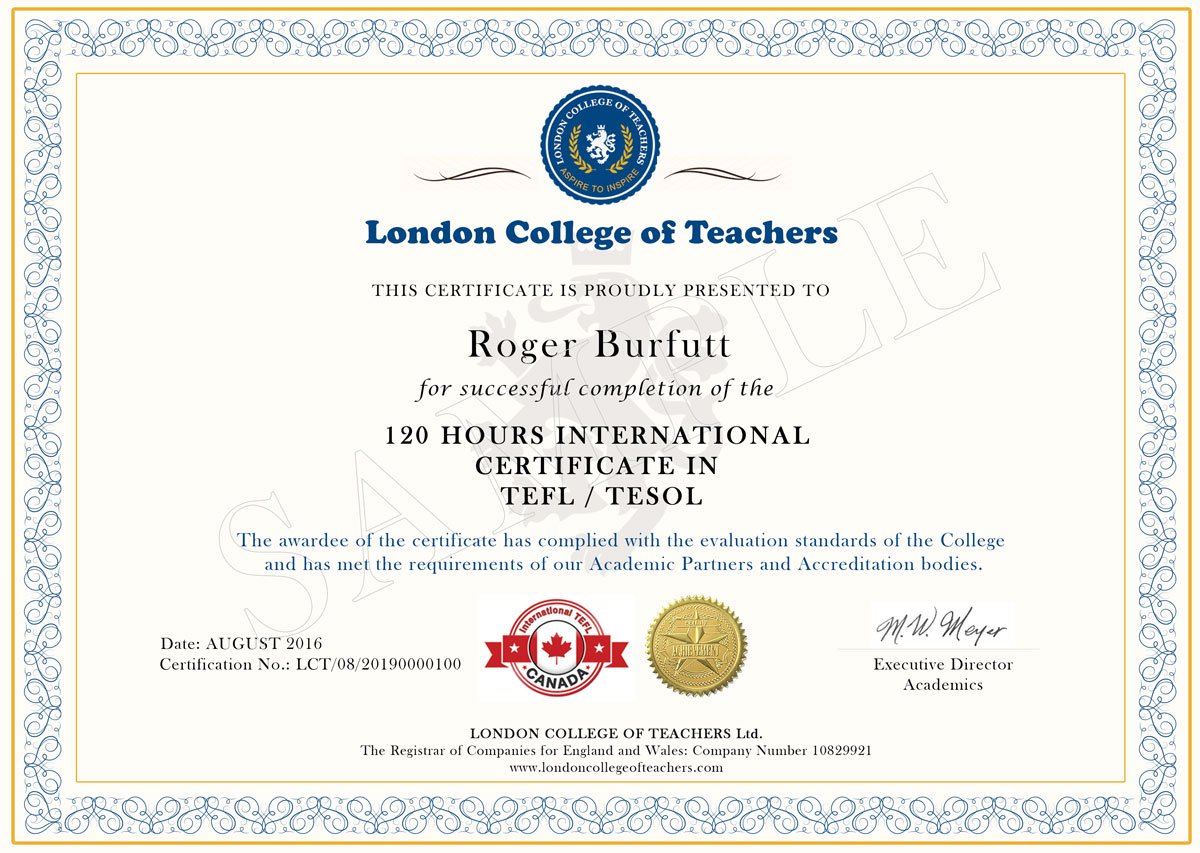
Teaching English abroad has become one of the most popular career and travel opportunities for South Africans. With English being widely spoken in South Africa, many citizens are well-positioned to qualify for international teaching roles. However, to work legally and competitively in most countries, you need a Teaching English as a Foreign Language (TEFL) certification.
This guide explains everything you need to know about TEFL certification, how it works, career prospects, and how to choose the best TEFL course in South Africa for teaching English online.
What Is TEFL Certification?
TEFL stands for Teaching English as a Foreign Language. A TEFL certification is a professional qualification that trains you to teach English to non-native speakers. It equips you with essential teaching skills, including lesson planning, classroom management, grammar instruction, and student assessment.
Unlike a traditional teaching degree, TEFL focuses specifically on teaching English to students whose first language is not English. This makes it ideal for people who want to travel and work abroad or teach English online.
Why South Africans Are in High Demand
South Africans are highly sought after in the global English teaching market for several reasons:
- English is one of South Africa’s official languages.
- South Africans typically have neutral and clear accents.
- Many countries recognize South Africa as a native English-speaking country.
- Cultural adaptability and strong communication skills.
Countries in Asia, the Middle East, and parts of Europe actively recruit South African teachers. Additionally, the online teaching industry has opened up even more opportunities to work remotely from home.
Do You Need a Degree to Teach English Abroad?
The answer depends on where you plan to teach.
- Countries like China, South Korea, Japan, and the UAE usually require a bachelor’s degree in any field.
- Some countries in Southeast Asia and Latin America may not require a degree but will still expect a TEFL certificate.
- Most online teaching platforms require at least a TEFL certification, and some do not require a degree.
If you do not have a degree, a strong TEFL qualification becomes even more important to boost your employability.
Types of TEFL Courses Available
There are different types of TEFL courses available to South Africans:
Online TEFL Courses
Online courses are flexible and affordable. They allow you to study at your own pace from home. These are ideal for people who are working full-time or studying.
In-Class TEFL Courses
These are face-to-face training programs that include live teaching practice. They are more intensive and often completed within 4–6 weeks.
Hybrid TEFL Courses
A combination of online theory and in-person practical teaching sessions.
When choosing the best TEFL course in South Africa for teaching English online, it’s important to consider accreditation, course content, and practical teaching components.
How Many Hours Should Your TEFL Course Be?
Most employers require at least a 120-hour TEFL certificate. This is considered the international standard.
Here’s a general breakdown:
- 60–80 hours: Basic introduction (limited job prospects)
- 120 hours: International minimum standard
- 150–200+ hours: Advanced qualification with better job opportunities
If your goal is to teach English online, a 120-hour accredited course is typically sufficient. However, specialized modules in teaching young learners or business English can make you more competitive.
What You Will Learn in a TEFL Course
A quality TEFL course covers:
English Grammar and Language Structure
Understanding tenses, sentence construction, pronunciation, and common learner mistakes.
Lesson Planning
How to structure effective lessons with clear objectives and outcomes.
Classroom Management
Techniques for managing students of different ages and proficiency levels.
Teaching Methodologies
Communicative Language Teaching (CLT), Total Physical Response (TPR), and other modern approaches.
Teaching Young Learners vs Adults
Different age groups require different teaching strategies.
If you are searching for the best TEFL course in South Africa for teaching English online, ensure it includes training on virtual classroom tools and online teaching strategies.
How Much Does TEFL Certification Cost in South Africa?
The cost of TEFL courses in South Africa varies widely:
- Online courses: R1,500 – R6,000
- In-class courses: R10,000 – R25,000
While affordability matters, avoid choosing a course purely based on price. Accreditation, international recognition, and job placement support are more important in the long run.
Accreditation and Recognition
Not all TEFL courses are created equal. Make sure your course is accredited by a reputable organization. Accreditation ensures:
- The curriculum meets international standards
- Employers will recognize your certificate
- You receive proper training
Before enrolling in what claims to be the best TEFL course in South Africa for teaching English online, verify the accreditation status and read independent reviews.
Teaching English Abroad: Where Can South Africans Work?
South Africans with TEFL certification can teach in:
Asia
China, Thailand, Vietnam, South Korea, and Japan offer competitive salaries and benefits such as accommodation and flight reimbursement.
Middle East
Countries like the UAE and Saudi Arabia offer tax-free salaries but usually require a degree and experience.
Europe
Spain, Poland, and the Czech Republic offer opportunities, though salaries are generally lower compared to Asia.
Online Platforms
Many South Africans now teach English online to students in China, Europe, and Latin America. This allows you to work from home and earn in foreign currency.
Salary Expectations
Salaries vary depending on location and experience:
- Asia: R18,000 – R45,000 per month (often with benefits)
- Middle East: R35,000 – R70,000 per month (tax-free in many cases)
- Online teaching: R150 – R350 per hour
Your earnings can increase significantly with experience, additional certifications, and specialization in areas like IELTS preparation or business English.
Visa and Legal Requirements
Each country has its own visa requirements. Generally, you will need:
- A valid passport
- A bachelor’s degree (in many countries)
- TEFL certification (minimum 120 hours)
- Clean criminal record
- Medical check
Some employers assist with visa processing, while others require you to arrange it independently.
Benefits of Teaching English Abroad
Teaching English abroad offers more than just financial rewards.
Cultural Experience
You get to live in a new country, learn a new language, and experience different traditions.
Professional Development
TEFL certification opens doors to long-term careers in education, training, and curriculum development.
Travel Opportunities
Many teachers use school holidays to explore neighboring countries.
Flexible Career Options
With the right qualification, especially the best TEFL course in South Africa for teaching English online, you can switch between classroom teaching and online teaching at any time.
How to Choose the Best TEFL Course
When selecting your course, consider the following:
Accreditation
Ensure the provider is internationally recognized.
Course Content
Look for comprehensive modules covering grammar, methodology, and online teaching skills.
Teaching Practice
Practical experience with real students is a major advantage.
Support and Job Placement
Some providers offer job assistance or partnerships with schools.
Reviews and Reputation
Check independent reviews and testimonials.
The best TEFL course in South Africa for teaching English online should prepare you not only to teach in a classroom abroad but also to succeed in the rapidly growing online education market.
Is TEFL Certification Worth It?
For South Africans seeking global opportunities, TEFL certification is absolutely worth it. It provides:
- Access to international job markets
- Flexible remote work options
- Competitive salaries
- Personal and professional growth
With relatively low entry requirements compared to other professions, TEFL remains one of the most accessible ways to work abroad.
Final Thoughts
TEFL certification is your gateway to teaching English abroad or online from South Africa. Whether you dream of living in Asia, working in the Middle East, or earning from home through online teaching platforms, the right certification makes all the difference.