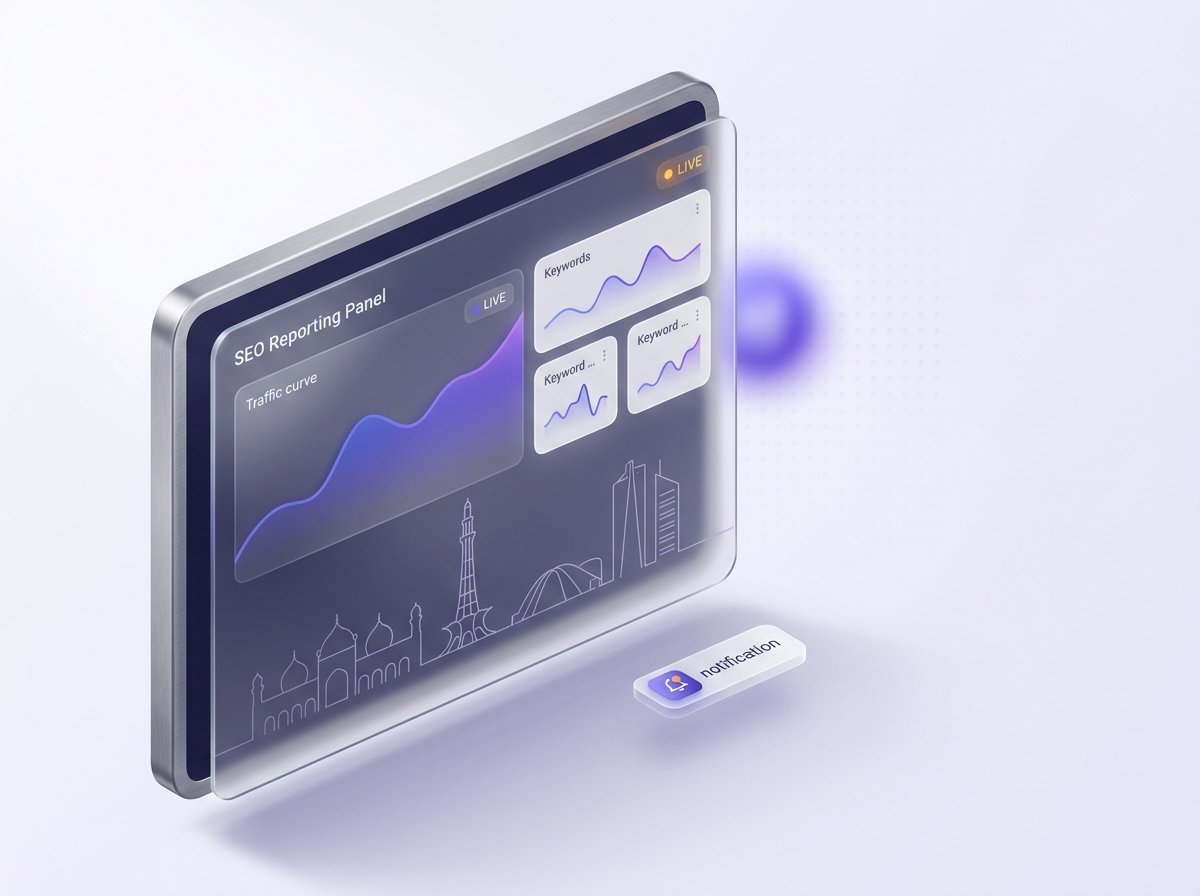
The digital marketing landscape has undergone a dramatic transformation. For decades, search engine optimization meant targeting exact-match keywords, building backlinks, and tweaking meta tags to rank on the first page of traditional search engines. Today, that playbook is no longer enough. The rise of conversational AI assistants, generative search overviews, and multi-platform discovery tools has completely changed how consumers find information, products, and services. To remain competitive in this fast-paced environment, businesses must adopt modern AI SEO tools and techniques that go beyond standard keyword ranking and focus heavily on brand authority, structured data, and content extractability.
The Evolution of Search: From Keywords to Conversational AI
Search behavior has shifted from short, fragmented queries to complex, conversational questions. When users look for solutions online, they frequently turn to AI-powered platforms that synthesize data, compare options, and deliver direct answers instantly. This shift means that traditional metrics like raw click volume and surface-level keyword rankings provide an incomplete picture of digital visibility.
Modern search engines do not just crawl and index web pages; they evaluate context, entity relationships, and credibility. They break down long-tail queries into smaller sub-queries, scanning the web for trusted sources to stitch together a coherent response. If a business wants to stay ahead of competitors, it can no longer rely solely on legacy optimization practices. It must embrace advanced tools and methodologies engineered for the era of artificial intelligence.
Top AI SEO Tools Transforming the Digital Landscape
Staying competitive requires leveraging cutting-edge software capable of handling massive amounts of data, predicting search trends, and auditing technical performance at scale. Several categories of AI SEO tools have become indispensable for marketing teams.
AI-Powered Keyword and Prompt Research Platforms
Traditional keyword tools show search volume and keyword difficulty, but they fail to capture how large language models interpret user intent. Advanced AI research platforms help marketers analyze conversational phrases, follow-up questions, and hidden sub-queries that users input into conversational search engines. By mapping these prompts, businesses can identify gaps in their content strategy and discover exactly what potential buyers are asking at different stages of the purchase journey.
Content Optimization and Natural Language Processing Assistants
Content tools powered by natural language processing have evolved far beyond basic spelling and grammar checkers. These platforms evaluate top-ranking pages and AI-generated summaries in real time, offering precise recommendations on semantic depth, topical coverage, and readability. They help writers structure information logically, ensuring that articles answer complex questions comprehensively while maintaining a natural, engaging tone that appeals to both human readers and machine crawlers.
Technical Crawl and Entity Optimization Software
Behind every successful visibility strategy is a robust technical foundation. AI-driven auditing software helps businesses monitor how search bots and AI crawlers interact with their website code. These tools identify rendering issues, broken schema markup, and structural inefficiencies that might prevent AI systems from reading critical pages. Ensuring that your site’s code is clean and fully accessible is a fundamental prerequisite for digital success.
Core Techniques for Modern Competitiveness
Tools alone cannot guarantee market dominance; they must be paired with strategic techniques tailored to modern search algorithms. Implementing these methods ensures your brand is visible wherever your audience is looking.
Shifting Focus to Generative Engine Optimization
As AI summaries reshape search engine results pages, mastering generative engine optimization has become a critical priority for enterprise growth. While traditional SEO focuses on driving traffic to a specific blue link, generative engine optimization ensures that your brand is actively cited, summarized, and recommended within AI-generated responses. This involves structuring content so that automated systems can easily extract factual statements, product specifications, and expert opinions without losing context or accuracy.
Building Entity Clarity and Content Extractability
AI models rely heavily on entity understanding—knowing who you are, what you offer, and how your products relate to industry concepts. To optimize for this, businesses must build crystal-clear entity signals across their digital ecosystem. This means deploying comprehensive schema markup, maintaining consistent brand profiles across the web, and organizing web pages with clear headings and bulleted lists. When information is easy to scan and parse, AI systems are significantly more likely to feature your content as a trusted source.
Strengthening E-E-A-T and Third-Party Proof Signals
Trust is currency in the age of automated search. Because generative models synthesize facts from a wide array of sources, they heavily favor brands with proven authority and positive third-party validation. Businesses must actively build their reputation through digital PR, thought leadership articles, customer reviews, and active participation in industry forums and community platforms where language models gather knowledge. Demonstrating genuine experience, expertise, authoritativeness, and trustworthiness protects your brand from algorithmic volatility and positions you as a market leader.
Measuring Success in an AI-Driven Marketplace
As search mechanics evolve, key performance indicators must evolve alongside them. Relying exclusively on traditional rank tracking can obscure a brand’s true digital footprint. Modern competitiveness requires tracking new metrics, such as citation frequency within AI-generated answers, brand mention share across conversational platforms, and referral traffic originating from AI-driven discovery engines.
Marketers should also analyze assisted conversions and sales cycle velocity to understand how early-stage AI touchpoints influence customer decisions. By connecting AI visibility data to downstream business revenue, companies can accurately measure the return on investment of their modern optimization efforts.
Conclusion
The digital marketplace of today rewards adaptability and system-level thinking. Traditional search engine optimization laid the groundwork for online visibility, but the integration of artificial intelligence has redefined the rules of engagement. By integrating advanced AI SEO tools with forward-thinking strategies like generative engine optimization, entity structuring, and authority building, businesses can secure their place at the forefront of their industries. Staying competitive is no longer just about shouting the loudest with keywords; it is about being accurately understood, deeply trusted, and consistently cited by the intelligence systems that shape modern consumer choices.