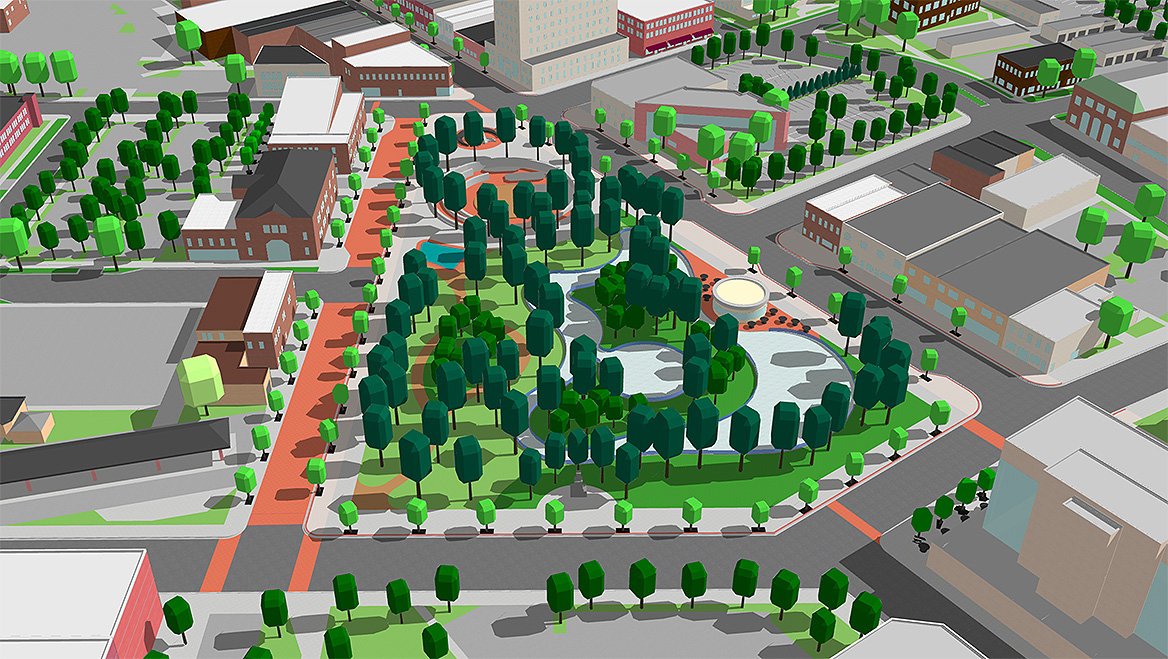
Urban planning and design are critical components in shaping the environments where people live, work, and interact. While the technical aspects of planning, such as zoning, infrastructure, and architectural standards, are vital, the human element cannot be overlooked. Community engagement has emerged as a central pillar in modern urban planning, ensuring that developments are not only functional but also reflective of the needs and aspirations of the people who inhabit these spaces. From influencing house plans to shaping public parks, the active participation of community members fosters inclusivity, sustainability, and a sense of ownership in the urban landscape.
Understanding Community Engagement in Urban Planning
Community engagement refers to the process by which planners, architects, and local authorities involve residents in decision-making about the design and development of their neighborhoods. This participation can take various forms, including public meetings, surveys, workshops, focus groups, and digital platforms. The primary goal is to gather insights and feedback directly from those who will experience the impact of urban projects. Engaging communities early in the planning process helps identify local priorities, cultural considerations, and potential challenges, ultimately resulting in more responsive and effective designs.
Incorporating feedback from community members ensures that urban development is not just about meeting regulatory requirements but also about creating spaces that genuinely improve quality of life. For instance, when designing residential areas, understanding residents’ preferences can guide the creation of house plans that accommodate family needs, lifestyle choices, and environmental considerations. This approach reduces the risk of developing spaces that feel disconnected from the people who use them daily.
The Benefits of Community Engagement
One of the key advantages of community engagement is fostering social cohesion. When residents have a voice in shaping their surroundings, they are more likely to feel connected to their neighborhood and take pride in its maintenance and well-being. This sense of ownership translates into higher civic participation, reduced vandalism, and stronger community networks.
From a practical standpoint, engaging the community can prevent costly mistakes. Urban planners often face challenges when developments clash with local expectations or cultural norms. By consulting community members during the planning phase, cities can avoid designing infrastructure or public spaces that fail to serve the population effectively. For example, input on house plans may reveal a need for multi-generational living spaces or accessibility features that standard designs might overlook.
Community engagement also supports sustainability. Residents are often acutely aware of local environmental issues, such as flooding risks, green space shortages, or traffic congestion. Their insights can guide planners in creating eco-friendly house plans, enhancing public transportation systems, and preserving green corridors. By aligning urban design with community priorities, cities can promote long-term environmental resilience and improve overall livability.
Strategies for Effective Community Engagement
Effective community engagement requires more than simply inviting residents to attend a meeting. It demands thoughtful strategies that ensure inclusivity and meaningful participation. One approach is to use multiple engagement channels, combining in-person meetings with online platforms, social media surveys, and interactive mapping tools. This diversity allows planners to reach a wider demographic, including younger residents, those with mobility challenges, or individuals with busy schedules.
Transparency is another essential element. Communities are more likely to engage when they understand the decision-making process and see how their input will influence outcomes. Planners should communicate clearly about project goals, potential constraints, and timelines. Sharing preliminary house plans, visual renderings, and prototypes can help residents visualize proposed developments and provide more concrete feedback.
Collaborative workshops and charrettes are highly effective in fostering creative dialogue between planners and residents. These sessions encourage participants to contribute ideas, discuss alternatives, and even co-design elements of their neighborhoods. Such collaboration ensures that house plans and public spaces reflect real community needs rather than assumptions made by designers.
Overcoming Challenges in Community Engagement
Despite its many benefits, community engagement is not without challenges. One common obstacle is the diversity of opinions within a community. Balancing conflicting interests requires skillful facilitation and negotiation. Urban planners must prioritize inclusivity while also ensuring that the process remains productive and aligned with broader development goals.
Another challenge is engagement fatigue. Residents may feel overwhelmed if asked to provide input on every minor detail of a project. To prevent this, planners should identify key decision points where community input is most impactful and communicate clearly about where feedback will be used.
Finally, there is the challenge of ensuring that engagement is not purely symbolic. Tokenistic involvement—where community input is gathered but ignored—can erode trust and reduce future participation. Planners must demonstrate that resident contributions directly shape house plans, zoning decisions, and public amenities. Providing follow-up reports and updates helps maintain transparency and reinforces the value of participation.
Case Studies Highlighting Community Impact
Numerous cities around the world have demonstrated the transformative power of community engagement in urban planning. In Portland, Oregon, for example, neighborhood advisory councils actively participate in reviewing residential and commercial development proposals. This input has influenced the design of house plans, green spaces, and pedestrian-friendly streetscapes, resulting in vibrant, livable communities.
In another example, Medellín, Colombia, prioritized community input when revitalizing informal neighborhoods. Residents contributed to decisions about public transportation routes, parks, and housing layouts. The result was a dramatic improvement in accessibility, safety, and social cohesion, illustrating how inclusive planning can reshape urban life.
Integrating Technology in Community Engagement
Technology has further expanded opportunities for meaningful engagement. Digital platforms allow residents to visualize proposed developments, submit feedback in real time, and even simulate changes to house plans. Virtual reality and 3D modeling tools enable participants to experience neighborhoods before construction begins, fostering informed decision-making. Social media and mobile applications also provide continuous channels for engagement, making it easier to reach younger populations and those who cannot attend traditional meetings.
Conclusion
Community engagement is no longer a peripheral consideration in urban planning and design—it is essential. By actively involving residents in shaping their neighborhoods, planners can create house plans, public spaces, and infrastructure that truly reflect the needs, values, and aspirations of the people who live there. Effective engagement fosters social cohesion, promotes sustainability, and reduces costly errors, all while strengthening trust between communities and planning authorities.