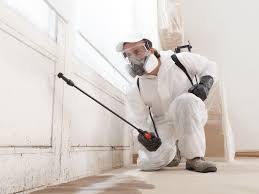
Mold growth is a common problem in many homes, often appearing in damp or humid areas like bathrooms, basements, and kitchens. While professional help is sometimes necessary for extensive infestations, homeowners can tackle smaller issues on their own. With the right tools, techniques, and precautions, DIY mold clean up is possible and effective.
Understanding Mold and Its Risks
Before diving into cleaning techniques, it’s important to understand what mold is and why it can be dangerous. Mold is a type of fungus that thrives in moist environments. It spreads through tiny spores in the air, which can settle on surfaces and grow if conditions are favorable. Exposure to mold can lead to health problems, especially for people with allergies, asthma, or weakened immune systems. Symptoms can include sneezing, coughing, skin irritation, and even respiratory issues in severe cases.
Knowing the risks associated with mold makes it clear why prompt mold clean up is essential. Addressing small mold problems early can prevent them from spreading and causing structural damage or serious health concerns.
Identifying Mold in Your Home
The first step in any DIY mold clean up project is identifying the presence of mold. Mold often appears as black, green, or white patches on walls, ceilings, floors, or around windows. It thrives in areas with poor ventilation and excess moisture, such as leaky pipes, damp basements, or behind wallpaper.
Sometimes mold has a musty odor, even if it is not visible. Using a flashlight and inspecting hidden areas, like under sinks, behind appliances, or inside closets, can help detect mold before it spreads. If mold is found on large surfaces or within your HVAC system, it may be best to consult a professional, as extensive infestations can be hazardous.
Safety Precautions for DIY Mold Clean Up
Safety is crucial when handling mold. Even small infestations release spores that can be harmful when inhaled or touched. To protect yourself during mold clean up, follow these safety tips:
- Wear protective gloves, goggles, and a mask rated for mold spores, such as an N95 respirator.
- Ensure proper ventilation by opening windows and using fans to circulate air.
- Avoid mixing cleaning solutions, especially bleach and ammonia, as this can create toxic fumes.
- Remove and discard heavily contaminated items that cannot be cleaned, such as carpets, insulation, or drywall.
Taking these precautions reduces the risk of exposure and allows you to perform mold clean up safely.
Essential Tools and Cleaning Solutions
For effective DIY mold clean up, having the right tools and cleaning solutions is essential. Common tools include scrub brushes, sponges, spray bottles, buckets, and microfiber cloths. Cleaning solutions can range from commercial mold removers to natural alternatives.
- White vinegar: A natural solution that can kill most types of mold.
- Baking soda: Works well for scrubbing mold and deodorizing areas.
- Hydrogen peroxide: Effective for killing mold on porous and non-porous surfaces.
- Soap and water: Often sufficient for minor mold problems on hard surfaces.
Avoid using bleach on porous surfaces, as it may not penetrate deeply enough to remove all mold roots and can sometimes make the problem worse.
Step-by-Step Mold Clean Up Process
- Contain the Area: Before cleaning, isolate the affected area by closing doors or using plastic sheeting to prevent mold spores from spreading.
- Remove Damaged Materials: Discard materials that cannot be salvaged, such as soaked drywall, insulation, or carpets.
- Apply Cleaning Solution: Spray the moldy area with vinegar, hydrogen peroxide, or a commercial mold remover. Let it sit for 10-15 minutes to kill the mold.
- Scrub the Surface: Use a scrub brush or sponge to remove mold from the surface. For stubborn mold, reapply the cleaning solution and scrub again.
- Rinse and Dry: Wipe the area with a damp cloth to remove residue and thoroughly dry it using fans or dehumidifiers. Mold thrives in moisture, so drying is a critical step.
- Prevent Recurrence: Once cleaned, maintain proper ventilation, fix leaks, and use dehumidifiers in damp areas to prevent mold from returning.
Mold Prevention Tips for Homeowners
Prevention is the best way to avoid future mold problems. Simple steps can keep your home mold-free:
- Fix leaks promptly in roofs, windows, or plumbing.
- Use exhaust fans in bathrooms and kitchens to reduce humidity.
- Keep indoor humidity below 50% using air conditioners or dehumidifiers.
- Clean and dry areas prone to moisture regularly.
- Ensure proper drainage around your home’s foundation to prevent water accumulation.
By taking preventive measures, you minimize the chances of needing extensive mold clean up in the future.
When to Call a Professional
DIY mold clean up is effective for small, localized areas. However, professional help may be necessary if:
- Mold covers an area larger than 10 square feet.
- Mold is found in HVAC systems or inside walls.
- There is significant water damage or structural issues.
- Household members experience severe health problems related to mold exposure.
Professionals have the equipment and expertise to handle extensive infestations safely and ensure thorough removal.
Conclusion
Mold clean up may seem daunting, but with proper knowledge, tools, and precautions, homeowners can tackle small infestations effectively. Identifying mold early, using safe cleaning techniques, and preventing moisture buildup are key to maintaining a healthy home environment. By taking a proactive approach, you can keep your living space safe, clean, and free from the damaging effects of mold.
DIY mold clean up empowers homeowners to address issues before they escalate, saving both time and money while protecting their family’s health. Following the tips and techniques outlined above ensures that mold doesn’t have the chance to take hold in your home.