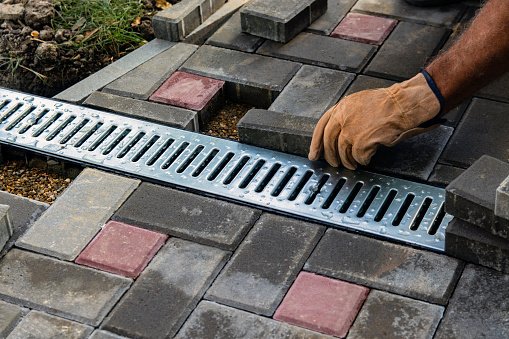
Understanding the Importance of French Drain Installation for Homeowners
Water damage is one of the most common challenges faced by homeowners, especially in areas where heavy rainfall, poor soil drainage, or uneven landscapes cause water to collect around properties. Excess moisture near a home’s foundation can lead to serious problems, including basement flooding, foundation cracks, mold growth, and landscape erosion. A properly designed drainage solution can prevent these issues and protect the long-term value of a property. This is where professional french drain installation becomes an essential investment for effective water control.
A French drain is a specialized drainage system designed to redirect excess groundwater and surface water away from vulnerable areas. It typically consists of a perforated pipe placed inside a gravel-filled trench and covered with a protective filter fabric. This simple yet highly effective system allows water to flow through the gravel and enter the pipe, which then carries it safely to a designated drainage area.
While some homeowners attempt DIY drainage projects, professional french drain installation offers better results because experts understand soil conditions, water flow patterns, local drainage requirements, and proper installation techniques. A professionally installed system can provide reliable protection for many years while reducing the risk of costly water-related repairs.
How a French Drain System Works
The main purpose of a French drain is to control unwanted water movement around a property. When rainwater or groundwater builds up in the soil, it naturally searches for areas with less resistance. Without proper drainage, this water may move toward the foundation, crawl spaces, basements, or low areas of the yard.
During french drain installation, professionals carefully select the ideal location based on the property’s layout and water problems. A trench is excavated with a slight slope to encourage water movement. A layer of gravel is added before placing a perforated drainage pipe inside the trench. The pipe is then surrounded by additional gravel, which helps filter water while preventing soil and debris from blocking the system.
The collected water travels through the pipe and exits at a safe location, such as a drainage ditch, storm drain, dry well, or another approved outlet. This process reduces standing water, improves soil conditions, and helps maintain a healthier outdoor environment.
Signs Your Home May Need a French Drain Installation
Many homeowners do not realize they have drainage problems until visible damage appears. Recognizing early warning signs can help prevent expensive repairs. Some common indicators that you may need french drain installation include:
Persistent puddles in the yard after rainfall are a clear sign that water is not draining properly. Areas with poor drainage can remain saturated for long periods, damaging grass, plants, and outdoor structures.
Water stains or dampness in basements and crawl spaces often indicate that groundwater is collecting near the foundation. Installing a French drain can redirect this water before it enters the home.
Foundation cracks and soil erosion around the property can also result from uncontrolled water flow. Excess moisture creates pressure against foundation walls, potentially causing structural concerns over time.
Mold, mildew, and musty odors inside a home may be caused by excessive moisture. A drainage system can help maintain a drier environment and reduce humidity-related issues.
If your property sits on a slope where water naturally flows toward your home, professional french drain installation can provide an effective solution by controlling the direction of water movement.
Benefits of Professional French Drain Installation
Choosing professional drainage services provides several advantages compared to temporary solutions. Experts have the knowledge and equipment needed to design a system that matches your property’s specific requirements.
One major benefit is improved water protection. A correctly installed French drain helps prevent water from reaching foundations, basements, and other sensitive areas. This protection can reduce maintenance costs and increase the lifespan of your home.
Another advantage is proper system design. Every property has different drainage challenges depending on soil type, elevation, climate, and landscaping. Professionals evaluate these factors before creating an effective drainage plan.
Professional french drain installation also ensures better durability. Incorrectly installed drains may become clogged, collapse, or fail to move water efficiently. Experienced installers use quality materials and proven techniques to create a reliable drainage system.
Additionally, a well-installed French drain can improve outdoor spaces by preventing muddy areas, standing water, and landscape damage. A healthier yard creates a more attractive and functional environment for homeowners.
The Process of Professional French Drain Installation
A successful drainage project involves several important steps. The first stage is a detailed property assessment. Professionals inspect the landscape, identify water sources, and determine the best drainage route.
After planning, excavation begins. The trench depth and width depend on the specific drainage needs of the property. Proper grading is essential because water must naturally flow through the system without becoming trapped.
Once the trench is prepared, filter fabric is installed to prevent soil from entering the drainage system. A layer of gravel is placed before adding the perforated pipe. The pipe is positioned carefully to maintain proper water movement.
More gravel is added around the pipe, and the trench is covered with soil or landscaping materials depending on the homeowner’s preferences. The final result is a drainage system that works efficiently while blending with the surrounding property.
Choosing the Right Professionals for French Drain Installation
Selecting an experienced drainage contractor is an important part of ensuring successful results. Homeowners should look for professionals with knowledge of local soil conditions, drainage challenges, and construction standards.
Before hiring a company, consider checking previous projects, customer reviews, and experience with similar properties. A reliable contractor should provide a clear explanation of the recommended drainage solution and discuss materials, installation methods, and expected results.
Quality workmanship is essential because drainage problems often become worse when systems are installed incorrectly. Investing in skilled professionals ensures that your French drain functions effectively and provides long-term protection.
Maintaining Your French Drain System
Although French drains require relatively little maintenance, regular inspections can help maintain performance. Homeowners should check drainage outlets to ensure water is flowing properly and remove debris that may block the system.
Keeping nearby landscaping healthy and avoiding heavy soil compaction around the drain area can also improve efficiency. If water problems return, a professional inspection can identify whether cleaning, repairs, or adjustments are needed.
A properly maintained French drain can continue protecting a home for many years, making it a valuable addition to any property facing water management challenges.
Conclusion
Effective water control is essential for protecting a home’s structure, landscape, and overall value. Professional french drain installation provides homeowners with a reliable solution for managing excess groundwater and preventing common moisture-related problems. With proper planning, quality materials, and expert installation, a French drain system can offer long-lasting protection against water damage while improving the safety and comfort of a property. For homeowners dealing with drainage issues, investing in a professionally installed French drain is a practical step toward maintaining a dry and secure home.