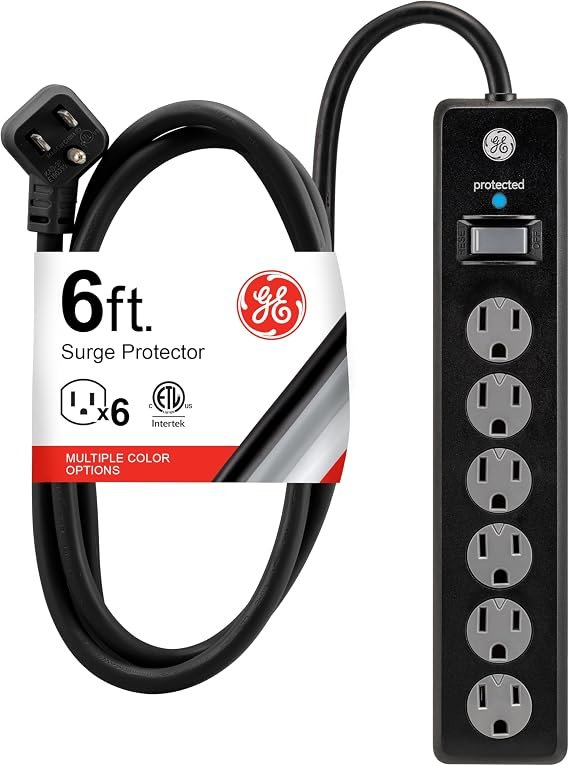
Modern homes depend on electronic devices for communication, entertainment, work, education, and everyday convenience. Televisions, computers, gaming consoles, routers, printers, chargers, kitchen appliances, and smart home equipment all rely on stable electrical power. However, electrical systems can sometimes experience sudden increases in voltage that may damage sensitive components. This is where a Surge Protector becomes an important part of home electrical protection.
A Surge Protector Power Strip combines multiple electrical outlets with protective circuitry designed to help shield connected devices from certain voltage surges. Instead of simply providing additional places to plug in equipment, it can provide an additional layer of protection between household electronics and unexpected electrical disturbances. Understanding how these devices work and why they matter can help homeowners make better decisions about protecting valuable electronics.
Understanding Electrical Surges
An electrical surge is a short-duration increase in voltage within an electrical system. Some surges can occur because of events outside the home, such as lightning activity or problems within the electrical grid. Others can originate inside the house when high-powered equipment switches on or off.
Although a surge may last only a fraction of a second, it can potentially affect sensitive electronic components. Modern electronics often contain microprocessors, circuit boards, memory components, and other parts that are designed to operate within specific electrical limits. Excess voltage can stress these components and, in some situations, cause immediate or gradual damage.
A Surge Protector is designed to help reduce the impact of certain voltage surges by diverting excess electrical energy away from connected equipment. This makes surge protection especially useful for electronics that contain sensitive circuitry.
How a Surge Protector Power Strip Works
A standard power strip mainly provides additional outlets. It does not necessarily provide protection against voltage surges. A Surge Protector Power Strip, on the other hand, contains protective components intended to respond when voltage rises above a particular level.
One commonly used component is a metal oxide varistor, often called a MOV. Under normal conditions, the component allows electricity to pass through the circuit. When an excessive voltage occurs, its electrical characteristics change, helping redirect excess energy away from connected devices.
The protective components have limits, so a surge protector cannot guarantee that every connected device will survive every electrical event. However, a properly selected Surge Protector can provide valuable protection against many common transient voltage events.
Protecting Expensive Home Electronics
Many household electronics represent a significant financial investment. A modern television, desktop computer, gaming system, sound system, or home networking setup can contain several expensive components.
Replacing one damaged electronic device can be costly, while damage to multiple connected devices can become even more expensive. A Surge Protector Power Strip can help reduce this risk by providing protection at the point where equipment connects to the electrical outlet.
For example, a home entertainment center may include a television, streaming device, gaming console, speakers, and media equipment. Connecting these devices through a quality Surge Protector can provide an additional protective layer for the entire setup.
Supporting Computer and Work Equipment
Computers and office equipment can be particularly sensitive to electrical disturbances. Desktop computers, monitors, printers, external storage devices, and networking equipment all contain electronic circuitry that can be affected by unstable electrical conditions.
For people working or studying from home, protecting these devices is especially important. A power disturbance could potentially interrupt work, damage equipment, or result in lost productivity.
A Surge Protector Power Strip can organize several work devices while also providing surge protection. Some models include features such as indicator lights, spaced outlets, USB charging ports, and overload protection, making them practical for modern workstations.
Protecting Networking and Smart Home Devices
Internet connectivity has become essential for many households. Routers, modems, Wi-Fi access points, smart speakers, security systems, and other connected devices often remain powered continuously.
Because these devices may operate around the clock, they can remain connected to the electrical system for long periods. Using an appropriate Surge Protector can provide an additional layer of defense against transient electrical events.
Smart home equipment can also benefit from organized power management. Instead of using several basic extension solutions, homeowners can use a suitable power strip with integrated protection to keep multiple devices connected in one location.
Choosing the Right Surge Protector
Not every power strip offers the same level of protection. When selecting a Surge Protector Power Strip, consumers should examine its specifications rather than choosing solely based on the number of outlets or appearance.
One important consideration is the joule rating. Joules indicate the amount of energy a surge protector is designed to absorb over its useful life. Generally, a higher rating can indicate greater energy-handling capacity, although consumers should consider the complete product specification rather than relying on one number.
It is also useful to look for reputable safety certifications and clearly stated protection specifications. Features such as overload protection, circuit breakers, protected indicator lights, and appropriately spaced outlets can improve usability.
The number and type of outlets should also match the equipment being connected. Some modern Surge Protector models include USB-A or USB-C charging ports, which can reduce the need for separate charging adapters.
Proper Placement and Usage
Using a surge protector correctly is just as important as choosing one. It should be connected directly to an appropriate wall outlet according to the manufacturer’s instructions. Users should avoid overloading the power strip by connecting devices that exceed its rated capacity.
A Surge Protector Power Strip should also not be treated as a permanent replacement for proper household electrical infrastructure. Large appliances with high power demands may require dedicated circuits or other electrical arrangements recommended by qualified professionals.
Consumers should regularly inspect their surge protectors for visible damage, overheating, damaged cables, or other signs of wear. If a unit shows signs of damage, it should be replaced rather than continued in service.
Surge Protection and Lightning
Lightning can create extremely powerful electrical events, and no ordinary plug-in Surge Protector should be considered a complete lightning protection system. During severe storms, homeowners should follow appropriate electrical safety practices and disconnect sensitive equipment when it is safe and practical to do so.
A Surge Protector can provide useful protection against certain transient voltage events, but it has limitations. Whole-home surge protection systems may also be considered for broader electrical protection and should be installed according to applicable electrical requirements.
A Practical Investment for Modern Homes
The value of surge protection becomes particularly clear when considering how many electronic devices a typical household uses every day. Instead of viewing a Surge Protector Power Strip as simply an accessory that adds outlets, homeowners can regard it as part of a broader approach to electrical safety and equipment protection.
Whether used beside a computer desk, entertainment center, home office, or smart home setup, a properly selected Surge Protector can combine convenience with an additional level of defense against electrical surges.
Conclusion
Home electronics are increasingly valuable and increasingly sensitive to electrical disturbances. A Surge Protector Power Strip offers a practical way to connect multiple devices while helping protect them from certain voltage surges. From computers and televisions to routers and smart home equipment, many everyday electronics can benefit from an appropriate surge protection solution.
Choosing a quality unit, checking its specifications, avoiding overloads, and replacing worn or depleted protectors can help homeowners use surge protection effectively. While no plug-in device can prevent every type of electrical damage, a properly selected Surge Protector remains a useful component of responsible home electronics management.