Introduction
Unexpected incidents can leave a property in need of specialized cleaning and restoration. Accidents, unattended deaths, traumatic events, and other emergencies trauma clean up may create conditions that require more than ordinary household cleaning. In these situations, a professional trauma clean up service can help restore affected areas while prioritizing health, safety, privacy, and respect for everyone involved.
Understanding what to expect from a professional cleanup team can make a difficult situation easier to manage. Experienced technicians follow established procedures, use appropriate protective equipment, and apply specialized cleaning methods to address contamination and prepare the property for safe future use. They also recognize that these situations can be emotionally challenging for families, property owners, and businesses.
This article explains the main stages of professional trauma cleanup, the importance of trained technicians, and the factors to consider when choosing a qualified service provider.
Understanding What a Trauma Clean Up Service Does
A trauma clean up service specializes in cleaning and restoring areas affected by traumatic incidents. Unlike routine cleaning companies, these providers are trained to handle potentially hazardous biological materials and contamination that ordinary cleaning products may not adequately address.
Depending on the situation, a cleanup assignment may involve residential properties, commercial buildings, rental units, workplaces, or other affected environments. The precise scope of work depends on the condition of the property, the type of contamination, and applicable safety requirements.
Professional technicians assess the affected area before determining the appropriate cleaning and decontamination procedures. Their goal is to address contamination, reduce potential health risks, and help restore the environment to a condition suitable for its intended use.
A reputable provider also understands the importance of confidentiality and compassionate communication. Clients may be dealing with grief, uncertainty, or significant property damage, making respectful service an essential part of the overall experience.
Initial Assessment and Property Inspection
The first stage of a professional trauma cleanup project is generally an initial assessment. During this step, technicians gather information about the incident, inspect the affected areas when access is permitted, and determine the level of cleaning and restoration required.
The assessment helps identify visible contamination, potentially affected materials, ventilation concerns, and surfaces that may require specialized treatment. In some situations, contamination may extend beyond the immediately visible area, so professionals must consider the property’s overall condition rather than focusing only on obvious signs.
Following the assessment, the service provider can explain the proposed work, expected timeline, safety precautions, and estimated costs. Clients should have an opportunity to ask questions and understand which services are included.
Clear communication at this stage helps prevent misunderstandings and allows property owners to make informed decisions. If additional contamination or damage is discovered during the work, the company should explain the findings and discuss any necessary changes to the original plan.
Professional Safety Procedures and Protective Equipment
Safety is one of the most important elements of a trauma clean up service. Areas affected by traumatic incidents may contain biological contaminants that present health risks if handled incorrectly.
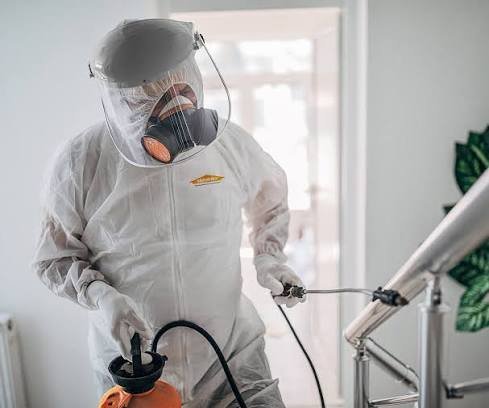
Trained technicians use appropriate personal protective equipment based on their assessment of the hazards. Depending on the circumstances, this may include protective clothing, gloves, eye protection, and suitable respiratory protection.
Professionals also establish work-area controls when necessary to limit access and reduce the risk of contamination spreading to unaffected spaces. They follow relevant workplace safety requirements and use appropriate procedures for handling potentially hazardous materials.
These precautions protect both the cleanup team and other people who may enter or occupy the property. They also help ensure that the cleaning process is managed systematically rather than relying on ordinary household methods.
Property owners should avoid entering restricted areas or attempting to handle potentially contaminated materials themselves. Waiting for qualified professionals can reduce unnecessary exposure and help prevent additional damage to the property.
Specialized Cleaning and Decontamination
Once the assessment and safety preparations are complete, the team begins the cleaning and decontamination process. The exact methods depend on the materials involved, the extent of contamination, and the condition of the affected surfaces.
Technicians use appropriate cleaning agents, equipment, and procedures designed for the specific circumstances. They may need to address floors, walls, furniture, fixtures, or other surfaces that have been affected.
The process is not simply about removing visible stains or unpleasant odors. Professional cleaning must also consider contamination that may remain on surfaces or within materials. Different materials require different treatment approaches, and some items may not be suitable for restoration.
When porous materials cannot be adequately cleaned or decontaminated, removal and appropriate disposal may be necessary. Decisions about removing building materials should be based on the assessment, relevant safety guidance, and applicable regulations.
Professional technicians also work to prevent cross-contamination between affected and unaffected areas. This structured approach helps support a more thorough restoration process and reduces the chance of overlooking important concerns.
Safe Handling and Disposal of Contaminated Materials
Another important responsibility of a trauma clean up service is the appropriate handling of contaminated waste. Materials that may pose biological hazards must be managed according to applicable regulations and local disposal requirements.
Qualified teams identify materials that require special handling and use suitable containment and transportation procedures. They also follow relevant requirements for waste segregation, labeling, and disposal through authorized channels where necessary.
This process helps protect sanitation workers, building occupants, and the wider community. Improper disposal can create avoidable health and environmental concerns, so professional handling is an important part of responsible cleanup.
Clients can ask the service provider how contaminated materials will be managed and whether disposal is included in the quoted price. A trustworthy company should be able to explain its procedures clearly without making unsupported promises about the condition of every material.
Odor Treatment and Property Restoration
Lingering odors can be a concern after certain traumatic incidents. These odors may originate from contamination, affected building materials, or substances absorbed by porous surfaces.
A professional cleanup team first addresses the underlying source rather than relying exclusively on fragrances or air fresheners. Depending on the assessment, the work may include specialized cleaning, removal of affected materials, and appropriate odor-control treatments.
If contamination has affected flooring, drywall, furnishings, or other structural components, additional restoration work may be required. Some companies provide these services directly, while others coordinate with separate restoration contractors.
It is important to understand that cleanup and reconstruction are not always the same service. A property may require repairs, replacement materials, or further inspection after the specialized cleaning has been completed.
Before work begins, ask the provider whether its responsibilities include odor treatment, material removal, structural repairs, and final restoration. Knowing the boundaries of the service helps property owners plan the remaining work more effectively.
Compassionate Communication and Respect for Privacy
Trauma cleanup involves more than technical procedures. Families, landlords, property managers, and business owners may be facing a stressful or deeply personal situation. Professional teams should approach these circumstances with sensitivity and respect.
A reliable company communicates clearly, avoids unnecessary questions, and treats personal information discreetly. Technicians should explain what needs to be done without using alarming language or making unrealistic assurances.
Privacy is particularly important when a cleanup takes place in a residential neighborhood or a public-facing business. A professional provider should take reasonable steps to protect the client’s confidentiality and minimize unnecessary disruption.
Clients should also expect honest updates about the project’s progress, unexpected complications, and any decisions requiring their approval. Respectful communication can make the process more manageable while helping everyone understand the next steps.
How Long Does Professional Trauma Cleanup Take?
The time required for a trauma cleanup project varies according to the size of the affected area, the severity of contamination, the materials involved, and the amount of restoration needed.
A limited cleaning assignment may take less time than a project involving several rooms, contaminated porous materials, or extensive property damage. Additional testing, specialist assessments, waste disposal arrangements, or reconstruction may also affect the schedule.
During the initial consultation, the provider should offer a realistic estimate based on the available information. However, the timeline may change if technicians discover previously unidentified contamination or additional work becomes necessary.
Rather than focusing only on speed, property owners should prioritize appropriate safety procedures and thorough completion. Rushing specialized cleanup can increase the likelihood of overlooked contamination or incomplete restoration.
Choosing the Right Trauma Clean Up Service
Selecting an experienced provider is essential for achieving a safe and well-managed outcome. Before hiring a company, consider its qualifications, relevant training, insurance coverage, safety procedures, and experience handling comparable situations.
Ask whether the company follows applicable regulations and uses appropriate equipment for the specific hazards involved. It is also helpful to request a written estimate that explains the services included, potential additional charges, disposal arrangements, and any limitations.
Availability may matter when property access or restoration is time-sensitive. However, emergency response claims should be supported by clear information about actual service availability and expected arrival times.
Reviews and references can provide insight into communication, professionalism, and reliability. Clients should also look for a provider that respects privacy, answers questions patiently, and explains the cleanup process without pressuring them into unnecessary services.
Conclusion
A professional trauma clean up service provides specialized support when a property requires careful cleaning, decontamination, and potentially further restoration after a traumatic incident. From the initial assessment and safety preparations to specialized cleaning, waste handling, odor treatment, and final review, each stage contributes to a responsible recovery process.
Choosing a qualified team helps property owners address potential hazards while reducing the burden of managing a difficult situation alone. Clear communication, appropriate safety practices, respectful treatment, and transparent pricing are all important qualities to look for.
By understanding what to expect and asking the right questions before work begins, families and property managers can make informed decisions and move toward restoring a safer, cleaner, and more suitable environment.