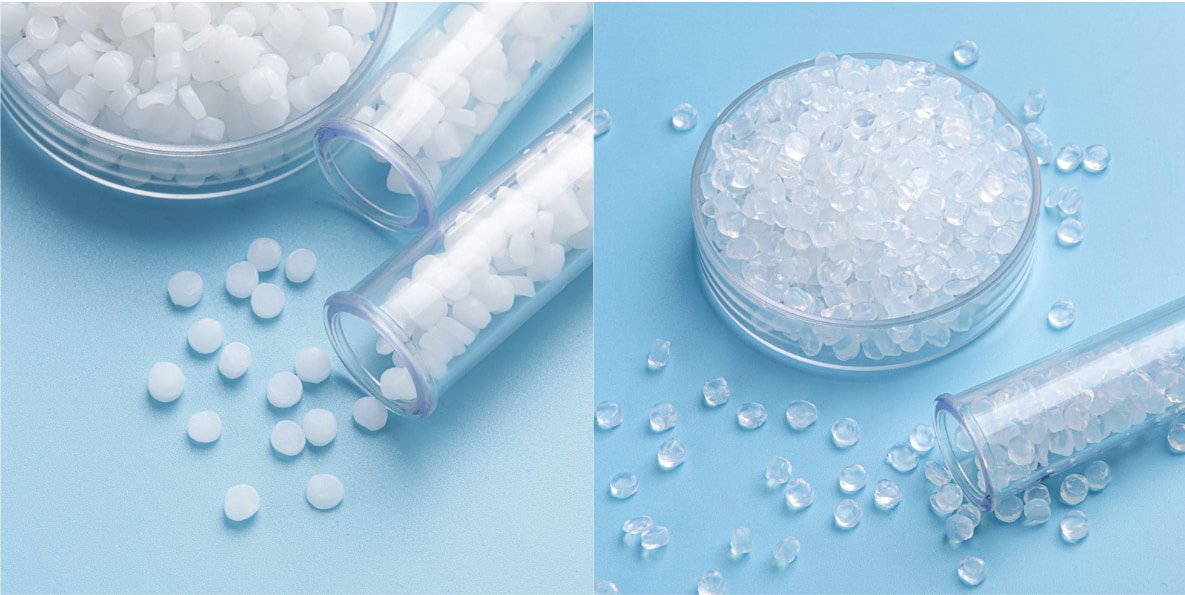
Polyethylene (PE) is one of the most widely used plastics in modern manufacturing because of its versatility, flexibility, chemical resistance, and cost-effectiveness. It is commonly used in packaging films, plastic bags, pipes, containers, household products, and industrial components. However, manufacturers continuously look for ways to improve the performance, durability, and processing characteristics of polyethylene products. One effective solution is Pe Silicone Masterbatch, an advanced additive technology designed to enhance the properties of PE-based materials.
By incorporating silicone-based additives into polyethylene formulations, manufacturers can improve surface characteristics, reduce friction, increase production efficiency, and enhance the overall quality of finished products. As industries demand more reliable and efficient plastic solutions, Pe Silicone Masterbatch has become an important consideration in modern polymer processing.
Understanding Pe Silicone Masterbatch
Pe Silicone Masterbatch is a concentrated additive formulation containing silicone-based ingredients dispersed in a polyethylene carrier resin. It is designed to be blended with PE materials during plastic manufacturing processes.
The silicone component provides beneficial properties that improve the behavior of polyethylene during processing and in its final application. Unlike traditional additives that may focus on a single performance characteristic, silicone masterbatch can deliver several advantages, including improved slip properties, reduced friction, better surface quality, and enhanced wear resistance.
Manufacturers can incorporate the masterbatch into different polyethylene formulations depending on their production requirements. Its compatibility with PE materials makes it suitable for various extrusion, injection molding, and film production applications.
Improving the Durability of PE Products
Durability is an essential factor in determining the quality and lifespan of polyethylene products. Plastic materials used in demanding environments must withstand friction, repeated handling, mechanical stress, and regular contact with other surfaces.
Pe Silicone Masterbatch helps improve certain durability-related characteristics by modifying the surface properties of polyethylene products. Silicone-based additives can create a smoother surface, reducing friction and minimizing abrasion during handling and use.
Reducing Surface Wear and Abrasion
Plastic products frequently experience friction during transportation, packaging, storage, and everyday use. Excessive friction can contribute to surface scratches, wear, and reduced product appearance.
The incorporation of silicone masterbatch can improve surface lubricity, allowing PE products to move more smoothly against other surfaces. This can help reduce friction-related damage and maintain product quality.
Enhancing Surface Performance
Surface quality plays an important role in the performance of polyethylene products. Rough surfaces can create difficulties in applications involving sliding, stacking, winding, or repeated contact.
Pe Silicone Masterbatch helps manufacturers achieve smoother surface characteristics. This improvement can be particularly valuable in packaging films, plastic sheets, molded components, and industrial products where consistent surface performance is required.
Increasing Processing Efficiency in PE Manufacturing
Production efficiency directly affects manufacturing costs, product consistency, and overall competitiveness. Plastic manufacturers need materials that can move smoothly through processing equipment while maintaining stable production conditions.
Pe Silicone Masterbatch can support processing efficiency by reducing friction between polymer materials and processing equipment. This can improve material flow and help manufacturers achieve more consistent production results.
Reducing Friction During Processing
During extrusion and other plastic manufacturing processes, polyethylene moves through machinery under heat and pressure. Excessive friction can increase processing resistance and affect production stability.
Silicone-based additives help reduce friction within the processing environment, potentially improving material movement and supporting smoother production operations.
Depending on the formulation and processing conditions, manufacturers may experience improved equipment performance and reduced processing difficulties.
Supporting Consistent Production
Consistency is important when manufacturing large quantities of polyethylene products. Variations in material flow, surface quality, or processing behavior can result in defects and production waste.
Using Pe Silicone Masterbatch can help improve the processing behavior of PE formulations. With an appropriate dosage and compatible formulation, manufacturers can achieve more predictable results across production batches.
Applications of Pe Silicone Masterbatch
The versatility of polyethylene makes it suitable for numerous industrial and commercial applications. Silicone masterbatch can support different PE manufacturing processes where improved surface properties and processing performance are desirable.
Packaging Films and Plastic Bags
Packaging is one of the largest application areas for polyethylene. Manufacturers use PE materials to produce shopping bags, stretch films, protective packaging, agricultural films, and flexible packaging products.
Pe Silicone Masterbatch can improve surface slip and reduce friction between film layers. These properties may help prevent blocking, improve film handling, and support smoother winding and unwinding operations.
PE Pipes and Tubing
Polyethylene pipes are widely used in water distribution, irrigation, industrial systems, and infrastructure projects. Their performance depends on material quality, formulation, and manufacturing conditions.
Silicone-based additives may provide processing and surface-related benefits during production. However, manufacturers should evaluate the formulation carefully to ensure that essential pipe properties, including pressure resistance and mechanical strength, remain within the required specifications.
Injection-Molded Products
Polyethylene is commonly used to manufacture containers, caps, closures, household components, and various molded products.
Adding Pe Silicone Masterbatch can help improve surface smoothness and reduce friction in suitable formulations. This can be useful for components that require better handling characteristics or smoother surface finishes.
Industrial Plastic Components
Industrial applications often require plastic components that can withstand frequent movement, handling, and contact with other materials.
Silicone masterbatch can help improve surface lubricity and abrasion-related performance, making it a useful additive option for selected industrial polyethylene products.
Benefits of Using Silicone-Based Additives
The growing interest in silicone masterbatch reflects the need for additives that improve multiple aspects of polymer manufacturing.
Some important potential benefits include:
- Improved slip properties: Helps PE surfaces move more smoothly against one another.
- Reduced friction: Supports easier material movement during processing and product handling.
- Better surface quality: Helps achieve smoother and more consistent finished surfaces.
- Enhanced abrasion resistance: Can reduce friction-related surface wear in suitable applications.
- Improved production efficiency: May support smoother extrusion and other manufacturing operations.
- Reduced processing difficulties: Helps address certain material handling and surface-related challenges.
- Greater product consistency: Supports more predictable processing and finished-product characteristics when properly formulated.
The actual results depend on the silicone content, carrier resin, dosage, polyethylene grade, and manufacturing conditions.
Selecting the Right Pe Silicone Masterbatch
Choosing the correct masterbatch is essential for achieving the desired performance. Not every silicone formulation is suitable for every polyethylene application. Manufacturers should consider several technical factors before selecting an additive.
Compatibility With Polyethylene
The carrier resin should be compatible with the PE material used in production. Compatibility helps ensure proper dispersion and consistent additive distribution throughout the polymer.
Recommended Addition Rate
The dosage of Pe Silicone Masterbatch can influence its effectiveness. Adding too little may produce limited improvements, while excessive amounts may affect surface characteristics or other product properties.
Manufacturers should follow supplier recommendations and conduct production trials to determine the appropriate concentration.
Processing Temperature
Different polyethylene grades and manufacturing techniques require specific processing temperatures. The selected masterbatch should maintain its performance under the thermal conditions used during production.
End-Product Requirements
Manufacturers should identify the primary performance requirements of their finished products. Packaging films may prioritize slip and blocking resistance, while molded components may require improved surface feel and reduced friction.
Selecting a formulation according to the intended application helps deliver better results.
Quality Control and Manufacturing Considerations
Maintaining quality throughout the manufacturing process is important when introducing any new polymer additive. Manufacturers should evaluate the performance of Pe Silicone Masterbatch through controlled testing and production trials.
Testing may include friction measurements, surface appearance assessments, mechanical property evaluations, and processing stability checks. These procedures help determine whether the additive delivers the expected improvements without negatively affecting the final product.
Proper storage and handling are also important. Masterbatch should be stored according to supplier guidelines to protect its quality and maintain consistent processing performance.
Working with an experienced additive supplier can help manufacturers identify suitable formulations, optimize dosage levels, and address technical challenges.
The Future of Silicone Masterbatch in Polyethylene Manufacturing
The plastic manufacturing industry continues to evolve as businesses seek better product performance, greater efficiency, and more reliable processing solutions. Additive technologies are becoming increasingly important in helping manufacturers meet these objectives.
Pe Silicone Masterbatch offers opportunities to improve polyethylene processing and surface performance without requiring manufacturers to completely change their existing production systems.
As research and development advance, silicone-based additive formulations may become more specialized for different PE applications. Manufacturers can benefit from formulations designed for specific requirements, including flexible packaging, industrial films, molded components, and other polyethylene products.
Sustainability is another important consideration. Improving processing efficiency and reducing manufacturing defects may help minimize material waste. However, the environmental benefits depend on the complete formulation, manufacturing process, and product lifecycle.
Conclusion
Pe Silicone Masterbatch is a valuable additive solution for manufacturers looking to improve the durability-related surface characteristics and processing efficiency of polyethylene products. By reducing friction, improving slip properties, supporting smoother material flow, and enhancing surface quality, it can contribute to better manufacturing performance across various PE applications.
From packaging films and plastic bags to pipes and industrial components, silicone masterbatch provides opportunities to optimize product characteristics and production operations.
Selecting the right formulation, maintaining appropriate dosage levels, and conducting proper quality testing are essential for achieving consistent results. As polyethylene manufacturing continues to advance, Pe Silicone Masterbatch will remain an important option for businesses seeking improved processing performance, reliable product quality, and greater manufacturing efficiency.