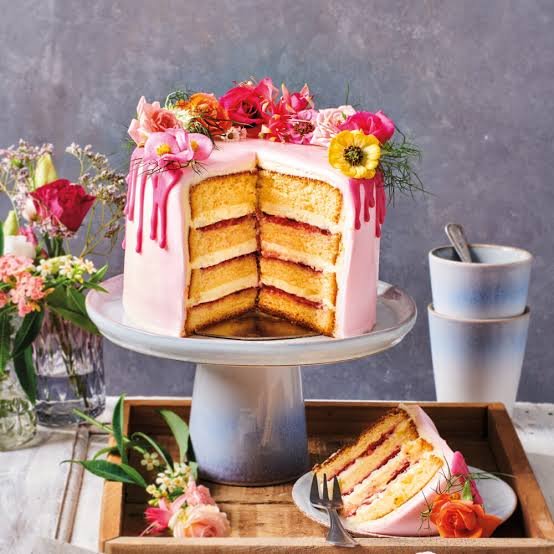
Sponge cake is one of the most beloved desserts in baking, known for its light texture, delicate crumb, and delicious flavor. Whether served at birthday parties, family gatherings, weddings, or afternoon tea, a well-made sponge cake can turn an ordinary occasion into a memorable experience. Although its ingredients are relatively simple, creating the perfect sponge cake requires attention to detail, the right techniques, and a little patience.
The secret to an excellent sponge cake lies in balancing softness, moisture, flavor, and structure. From selecting fresh ingredients to mastering the mixing process, every step contributes to the final result. Understanding these fundamentals allows beginners and experienced bakers alike to produce beautiful cakes that taste as wonderful as they look.
Understanding the Basics of Sponge Cake
Sponge cake is traditionally made with eggs, sugar, flour, and sometimes a small amount of butter, oil, milk, or baking powder, depending on the recipe. Unlike heavier cakes that rely on generous amounts of fat, many sponge cake recipes depend primarily on air incorporated into beaten eggs to create their characteristic lightness.
When eggs are whisked with sugar, they trap tiny air bubbles within the mixture. During baking, these bubbles expand, helping the cake rise and develop a soft, airy structure. The flour provides stability, allowing the cake to hold its shape after cooling.
The simplicity of sponge cake makes technique especially important. Incorrect measurements, overmixing, or unsuitable oven temperatures can affect the final texture. By learning how each ingredient works, bakers can make better decisions and achieve more consistent results.
Choose Fresh, High-Quality Ingredients
The quality of the ingredients has a significant influence on the flavor and texture of a sponge cake. Because the recipe contains relatively few components, each ingredient contributes noticeably to the finished dessert.
Use Fresh Eggs
Eggs are among the most important ingredients in sponge cake. They provide structure, moisture, and the air needed to create a light crumb. Fresh eggs with no unpleasant odor are ideal for baking.
Many recipes recommend using eggs at room temperature because they can incorporate air more easily than very cold eggs. If the eggs have been refrigerated, allow them to warm slightly before beginning.
When whipping eggs and sugar together, continue until the mixture becomes pale, thick, and increased in volume. This stage is essential for creating a delicate texture.
Select the Right Flour
Cake flour generally produces a tender crumb because it contains less protein than many all-purpose flours. However, all-purpose flour can also work well when measured correctly and mixed gently.
Sifting the flour before adding it helps remove lumps and distributes it more evenly. It also makes folding easier, reducing the need for excessive stirring.
Avoid adding too much flour, as this can make the cake dense and dry. Measuring ingredients accurately is one of the simplest ways to improve baking results.
Choose Suitable Sugar and Flavorings
Fine granulated sugar dissolves efficiently during mixing and contributes to a smooth batter. Vanilla extract is a classic flavoring that complements the mild sweetness of sponge cake.
Other options include lemon zest, orange zest, almond extract, or a small amount of cocoa powder. Choose flavorings that complement the intended filling or topping rather than overpowering the delicate cake.
Master the Technique of Whipping Eggs
Whipping eggs properly is one of the most important skills in sponge cake making. The goal is to incorporate enough air to create a light mixture that can support the cake as it bakes.
Begin by placing the eggs and sugar in a clean mixing bowl. Beat them with an electric mixer or a suitable whisk until the mixture becomes pale, thick, and fluffy. Depending on the recipe and equipment, this may take several minutes.
A useful test is to lift the whisk and observe how the mixture falls back into the bowl. It should leave a visible ribbon on the surface for a short time before disappearing.
However, the exact stage depends on the recipe. Some sponge cakes use whole eggs, while others whip the whites and yolks separately. Follow the method specified in the recipe because different techniques produce slightly different structures.
Be patient during this step. Insufficient whipping can result in a compact cake, while careless handling afterward can remove much of the air that has been incorporated.
Fold Ingredients Gently
Once the eggs have reached the correct consistency, the flour must be incorporated without destroying the air bubbles. This is where gentle folding becomes essential.
Add the sifted flour in small portions rather than all at once. Use a spatula to move through the center of the mixture, sweep along the bottom of the bowl, and fold the batter over itself.
Rotate the bowl as you work, repeating the movement until the flour is incorporated. Avoid vigorous stirring, which can deflate the mixture and develop too much gluten in the flour.
If the recipe includes melted butter or milk, these ingredients should also be added carefully. Some methods recommend mixing a small amount of batter into the melted butter before folding it into the main mixture. This helps distribute the fat without leaving heavy pockets at the bottom.
The finished batter should look reasonably uniform and retain as much volume as possible.
Prepare the Baking Pan Correctly
Proper pan preparation helps the sponge cake bake evenly and release cleanly. Choose a pan that matches the dimensions specified in your recipe, since changing its size can affect the cake’s depth and baking time.
Depending on the sponge cake method, you may need to grease the pan, line its base with parchment paper, or leave the sides ungreased to help the batter climb upward. Follow the recipe’s instructions rather than assuming every sponge cake requires the same preparation.
Pour the batter into the prepared pan and spread it gently. Avoid repeatedly tapping the pan or shaking it aggressively, as this may remove some of the trapped air.
Prepare the oven in advance so the batter can begin baking promptly. Allowing a whipped sponge batter to stand for too long before baking may reduce its volume.
Maintain the Right Oven Temperature
Temperature control is essential for producing a sponge cake with a tender crumb and an even rise. An oven that is too hot may cause the outside to set before the center has baked properly. A temperature that is too low can leave the cake pale, slow to rise, or excessively dense.
Many sponge cake recipes bake at approximately 160°C to 180°C, although the correct setting depends on the recipe, oven, and pan size. Preheat the oven fully before placing the cake inside.
Avoid opening the oven door frequently during the early stages of baking. Sudden temperature changes can interfere with the cake’s structure before it has become stable.
To check whether the cake is ready, look for a lightly golden surface and edges that have begun to pull away from the pan. A toothpick inserted into the center should come out clean or with a few dry crumbs, depending on the recipe.
Once baked, allow the cake to cool according to the method provided. Some sponge cakes benefit from cooling in the pan, while others are turned out promptly to prevent trapped steam from affecting the texture.
Improve Moisture and Flavor
A soft sponge cake should feel tender without becoming soggy. Achieving this balance depends on ingredient proportions, baking time, and proper storage.
Overbaking is a common reason for dryness. Even a few additional minutes can make a noticeable difference, especially when preparing a thin sponge layer. Begin checking the cake near the minimum baking time suggested by the recipe.
For extra moisture, some bakers brush cooled sponge layers with a light sugar syrup. To prepare it, dissolve sugar in water over gentle heat and allow the syrup to cool before applying a small amount to the cake. Vanilla or citrus zest can add additional flavor.
Buttercream, whipped cream, fruit preserves, and fresh fruit are popular accompaniments. For a more delicate dessert, use a thin layer of filling that complements rather than overwhelms the sponge.
Fresh berries and citrus fruits provide brightness, while chocolate ganache creates a richer finish. The best combination depends on the occasion and personal taste.
Common Sponge Cake Mistakes to Avoid
Several small mistakes can prevent a sponge cake from reaching its full potential.
Overmixing the batter: Excessive stirring can remove air and produce a heavier crumb. Fold the flour gently and stop once the ingredients are incorporated.
Incorrect measurements: Too much flour or sugar can affect the cake’s structure. Use a kitchen scale when possible for greater accuracy.
Using unsuitable ingredients: Ingredients at the wrong temperature may affect how easily the batter comes together. Follow the recipe’s temperature recommendations.
Opening the oven too early: Checking repeatedly can cause temperature fluctuations. Wait until the cake has had sufficient time to develop its structure.
Cutting the cake while warm: A freshly baked sponge may still be delicate. Allow it to cool adequately before slicing, filling, or decorating.
Adding too much filling: Heavy fillings can compress delicate sponge layers. Spread fillings evenly and use an appropriate quantity.
Learning from these mistakes makes baking more predictable and helps develop confidence over time.
Creative Ways to Serve Sponge Cake
Sponge cake is versatile enough for both simple everyday treats and elaborate celebration desserts. A plain vanilla sponge can be served with fresh strawberries and lightly sweetened cream for a refreshing dessert.
For a classic layered cake, divide the cooled sponge into layers and add fruit preserves, whipped cream, or buttercream between them. Finish with a light dusting of icing sugar or a simple decorative topping.
Chocolate lovers can pair sponge cake with cocoa-flavored cream or chocolate ganache. Citrus enthusiasts may prefer lemon curd and fresh berries, while those who enjoy traditional flavors can try a light coffee syrup with a creamy filling.
For special occasions, sponge cake can form the foundation of decorated birthday cakes, wedding cakes, and festive desserts. Its adaptable flavor and structure make it suitable for a wide variety of designs.
Store Sponge Cake Properly
Correct storage helps preserve the cake’s softness and flavor. If the sponge is plain and will be eaten soon, keep it in an airtight container at room temperature, provided the environment is cool and the recipe allows it.
Cakes containing whipped cream, custard, cream cheese, or other perishable fillings should be refrigerated according to food-safety recommendations. Cover the cake to prevent it from absorbing odors or drying out.
For longer storage, an unfrosted sponge cake can usually be wrapped securely and frozen. Allow it to cool completely before wrapping, and thaw it while covered to help retain moisture.
If preparing a layered cake in advance, store the components appropriately and assemble them when convenient. This approach can simplify preparation for parties and other occasions.
Conclusion
The art of sponge cake making combines simple ingredients with careful technique. Fresh eggs, accurate measurements, proper whipping, gentle folding, and controlled baking all contribute to a soft, airy texture and rich flavor.
Success does not depend on complicated equipment or expensive ingredients. Instead, it comes from understanding the baking process and paying attention to small details at every stage. With practice, bakers can learn to recognize the correct batter consistency, judge when a cake is fully baked, and choose complementary fillings and toppings.
Whether served plain with tea or transformed into an elegant celebration cake, a well-prepared sponge cake offers a timeless combination of lightness, sweetness, and versatility. Mastering these fundamentals provides a reliable foundation for exploring new flavors and creating delicious homemade desserts for every occasion.