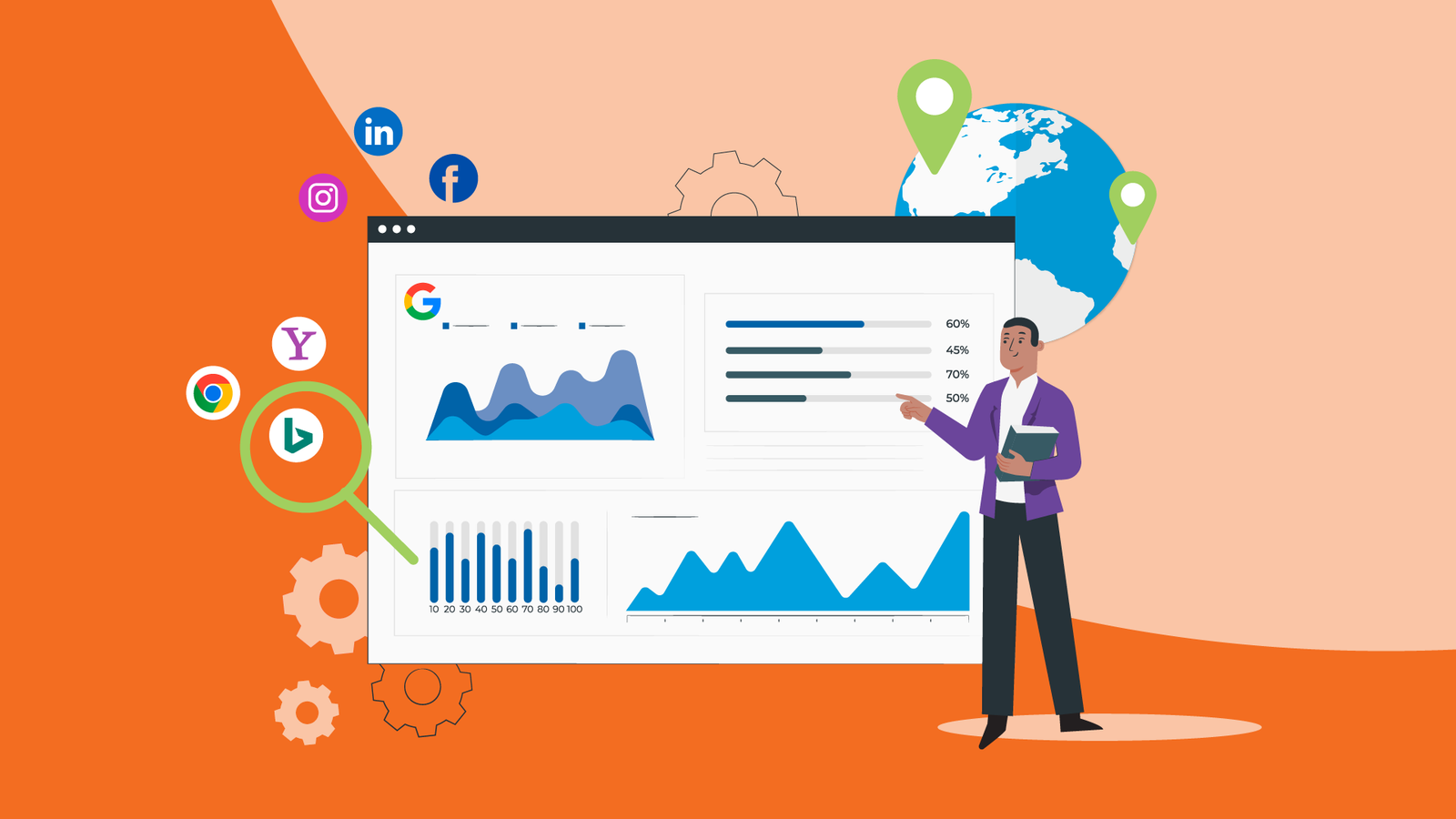
In today’s competitive digital environment, having a website is only the beginning. The real challenge is getting the right people to discover the site, explore its pages, and return for more. Businesses, bloggers, online stores, and service providers all need effective strategies to attract visitors to the site while creating an experience that encourages meaningful engagement. A successful website combines useful content, strong search visibility, appealing design, and consistent communication.
Understand Your Target Audience
The first step toward increasing website traffic is understanding who you want to reach. A clear picture of your audience helps you create content and experiences that match their interests, questions, and needs. Consider factors such as age, location, profession, buying behavior, common problems, and online habits.
Instead of creating general content for everyone, focus on topics that matter to your specific audience. When visitors immediately recognize that a website addresses their needs, they are more likely to stay longer, read additional pages, and take action.
Create Valuable and Original Content
High-quality content remains one of the most effective ways to attract visitors to the site. People regularly search online for answers, recommendations, tutorials, comparisons, and solutions. Publishing useful content gives your website opportunities to appear when potential visitors are looking for information.
Develop blog posts, guides, tutorials, case studies, FAQs, videos, and informative landing pages. Each piece should provide genuine value rather than simply filling a page with keywords. Original insights, practical examples, statistics, and clear explanations can make your content more useful and memorable.
A consistent publishing schedule can also help maintain momentum. Rather than publishing large amounts of content occasionally, create a realistic calendar and provide valuable resources regularly.
Strengthen Search Engine Optimization
Search engine optimization can help your website become easier to discover through search engines. Start by researching keywords that your target audience actually uses. Incorporate relevant terms naturally into page titles, headings, descriptions, URLs, and body content.
However, effective SEO involves more than keywords. Improve page loading speed, mobile usability, internal linking, image optimization, and website structure. Search engines increasingly evaluate the overall quality and usefulness of a website, so creating a positive experience for visitors should remain the main priority.
Internal links can also guide visitors toward related content. For example, a blog post can link to a detailed guide, product page, or service page. This encourages users to explore more of the website instead of leaving after reading one page.
Use Social Media Strategically
Social media can provide another powerful source of website traffic. Share useful articles, product information, videos, infographics, announcements, and educational content on platforms where your audience spends time.
Avoid treating social media as a place to publish links repeatedly without context. Instead, create short, engaging posts that explain why the linked content is valuable. Questions, polls, short videos, and visual content can encourage interaction and make people more interested in visiting your website.
Different platforms attract different audiences, so focus your efforts where your potential visitors are most active.
Improve Website Speed and Mobile Experience
Visitors expect websites to load quickly and work smoothly. A slow website can create frustration and increase the likelihood that users leave before exploring the content.
Compress large images, reduce unnecessary scripts, use efficient hosting, and regularly test loading performance. At the same time, make sure the site works properly on smartphones and tablets.
Mobile-friendly design is particularly important because many users discover websites through mobile searches and social media. Buttons should be easy to tap, text should be readable, and navigation should remain simple on smaller screens.
Make Navigation Simple
A visitor should not have to struggle to find important information. Use clear menus, descriptive headings, search functionality, and logical page structures.
Keep essential pages easy to access, including contact information, product or service details, pricing information, and helpful resources. A clean navigation structure allows visitors to move naturally from one piece of content to another.
Clear calls to action can also improve engagement. Depending on the website, these might encourage visitors to read another article, subscribe to a newsletter, request information, download a resource, or make a purchase.
Encourage Repeat Visits
Getting someone to visit once is valuable, but building a returning audience can provide even greater long-term benefits. Email newsletters are an effective way to reconnect with people who have already shown interest.
Offer useful updates rather than sending messages solely for promotion. Share new articles, helpful tips, exclusive resources, product announcements, or industry insights. A strong reason to return gives visitors a greater connection with the website.
Fresh content, updated guides, special offers, and regularly refreshed resources can also encourage repeat visits.
Use Visual Content to Increase Engagement
Images, videos, charts, infographics, and interactive elements can make web pages easier and more enjoyable to consume. Visual content can also simplify complicated topics and keep visitors interested.
For example, an instructional article can include diagrams or short videos that demonstrate the process being discussed. An online store can use high-quality product photography, while a service business can showcase examples of completed work.
The key is to use visuals purposefully. Every image or video should support the page rather than distract from its main message.
Build Trust and Credibility
Visitors are more likely to engage with a website when they trust the information and the organization behind it. Provide accurate information, clear contact details, transparent policies, and professional presentation.
Customer reviews, testimonials, case studies, certifications, author information, and frequently asked questions can also strengthen credibility. Avoid misleading headlines or exaggerated claims because short-term clicks are not worth losing long-term trust.
Measure Results and Keep Improving
No traffic strategy should remain unchanged forever. Use website analytics to understand where visitors come from, which pages they view, how long they stay, and where they leave.
Review important performance indicators such as organic traffic, referral traffic, engagement, conversions, and returning visitors. If one type of content consistently performs well, consider developing related topics. If visitors frequently leave a particular page, investigate whether its content, speed, navigation, or call to action needs improvement.
Testing different headlines, page layouts, calls to action, and content formats can also reveal what your audience prefers.
Conclusion
The ability to attract visitors to the site depends on combining several strategies rather than relying on one traffic source. Valuable content, SEO, social media, fast performance, mobile-friendly design, simple navigation, visual communication, and trust all contribute to a stronger online presence.
Most importantly, attracting visitors should not be the only objective. The goal is to give people a reason to stay, explore, interact, and return. By consistently understanding your audience, publishing useful information, monitoring performance, and improving the user experience, you can build a website that attracts relevant visitors and turns traffic into lasting engagement.