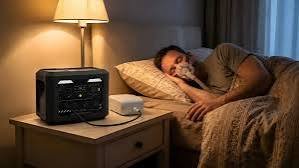
For people who rely on a CPAP machine during sleep, a power outage can be more than an inconvenience. A sudden loss of electricity can interrupt therapy and make it difficult to continue a normal sleep routine. This is why having a reliable CPAP battery backup for power outages can provide valuable peace of mind.
A suitable backup battery can keep a compatible CPAP machine running when the main power supply is unavailable. Whether outages happen because of severe weather, electrical problems, travel, or temporary grid failures, a battery backup can help users prepare for unexpected interruptions.
Why a CPAP Battery Backup Is Important
CPAP machines require electricity to operate. During a power outage, the machine may immediately stop working unless it has access to another power source. For someone who uses CPAP therapy every night, having a backup plan can be an important part of preparing for an outage.
A CPAP battery backup for power outages provides an alternative source of electricity. Depending on the battery’s capacity, machine model, settings, and additional equipment being powered, it may provide several hours of operation.
Battery backup systems can also be useful beyond emergencies. They may be helpful during camping trips, road travel, flights where permitted, or stays in locations where reliable electrical outlets are unavailable.
How a CPAP Battery Backup Works
A CPAP battery backup stores electrical energy that can later be used to power a compatible CPAP machine. The battery is normally charged before use through an appropriate charger or power adapter.
When household electricity is unavailable, the CPAP machine can be connected to the battery according to the manufacturer’s instructions. Some systems are specifically designed for CPAP equipment, while others are general-purpose portable power stations.
The exact connection method varies by CPAP model. Some machines can operate directly from a suitable DC power source, while others may require an inverter or another compatible power solution. Users should always verify compatibility before connecting a battery to their equipment.
Choosing the Right Battery Capacity
Battery capacity is one of the most important factors when choosing backup power. A battery with greater capacity can generally provide power for a longer period, although actual runtime depends on several factors.
These include:
- CPAP machine model
- Pressure settings
- Humidifier use
- Heated tubing
- Battery capacity
- Power conversion efficiency
- Ambient temperature
- Other connected accessories
For example, a CPAP setup using a heated humidifier may consume considerably more power than a machine operating without heating features. If longer backup time is important, users should consider their complete setup rather than looking only at the CPAP machine’s basic power requirements.
Check CPAP Compatibility
Not every battery works with every CPAP machine. Before purchasing a backup solution, check the CPAP manufacturer’s recommendations and the battery manufacturer’s compatibility information.
Pay attention to voltage, connectors, power requirements, and whether an inverter is required. Using an unsuitable power source could cause equipment problems or prevent the machine from operating correctly.
If the CPAP manufacturer offers an approved battery or travel power solution, that option may be worth considering because it is designed specifically for compatible equipment.
AC and DC Power Options
CPAP battery backups commonly provide either AC power, DC power, or both.
An AC-based solution can work similarly to a normal household outlet. The CPAP’s standard power adapter can be connected to the battery’s AC outlet. However, converting battery power into AC and then converting it back for the CPAP can result in energy losses.
A DC solution may be more efficient when the CPAP supports direct DC operation. This can potentially provide longer runtime from the same battery capacity. However, the correct voltage and connector must be used.
The best option depends on the CPAP machine and the user’s priorities.
Consider Humidifiers and Heated Tubing
Accessories can significantly affect battery consumption. A humidifier and heated tubing can require additional electricity, potentially reducing how long a battery can power the complete CPAP setup.
For emergency backup situations, users may want to understand how their machine performs with these features enabled or disabled. However, changes to CPAP settings or therapy equipment should be discussed with a qualified healthcare professional when appropriate.
Testing the setup before an actual outage can help identify expected battery runtime and any compatibility issues.
How Long Can a CPAP Battery Last?
There is no single runtime that applies to every CPAP battery backup. Runtime depends on the battery’s usable capacity and the amount of power the CPAP system consumes.
A simple way to think about battery planning is to compare the battery’s available energy with the machine’s approximate power consumption. Because real-world efficiency is not perfect, the actual runtime will usually be lower than a basic theoretical calculation.
For this reason, manufacturers often provide estimated runtime information for specific CPAP models. These estimates can be useful when deciding whether a battery is suitable for an overnight outage or longer emergency.
Preparing for a Power Outage
A battery is most useful when it is ready before an outage occurs. Keep the backup battery charged according to its manufacturer’s recommendations and store it in an appropriate location.
It is also helpful to keep the CPAP’s required cables and adapters together with the battery. This reduces the chance of discovering during an emergency that an important connector is missing.
Users can also test the backup system periodically. A test can confirm that the CPAP starts correctly and help establish an approximate runtime under normal conditions.
CPAP Battery Backup for Travel
A portable CPAP battery can be particularly useful for travel. People who spend nights away from reliable electrical outlets may appreciate having an independent power source.
Before traveling, check the battery’s transportation requirements and the policies of the airline or other transportation provider. Battery capacity and transportation rules can vary, so planning ahead is important.
For outdoor trips, users should also consider how they will recharge the battery. Depending on the situation, options may include vehicle charging or compatible portable charging equipment.
Safety Considerations
Safety should always be a priority when using backup power equipment. Use the correct cables, adapters, and power specifications for the CPAP machine.
Avoid using damaged batteries, frayed cables, or incompatible connectors. Follow the battery manufacturer’s charging, storage, and operating instructions.
The battery should also be kept in a suitable environment and protected from excessive heat, moisture, and physical damage. If a battery becomes unusually hot, swollen, damaged, or otherwise abnormal, discontinue use and follow the manufacturer’s safety guidance.
Creating a Complete Backup Plan
A battery backup is only one part of preparing for an extended power outage. Users who depend on CPAP therapy can create a broader emergency plan that includes a charged backup battery, appropriate cables, contact information for their equipment provider, and information about alternative power options.
For longer outages, it may also be useful to know where reliable electricity can be accessed locally. Keeping the battery maintained and periodically checking the entire setup can make emergency preparation much easier.
Final Thoughts
A CPAP battery backup for power outages can be a practical way to prepare for unexpected electricity interruptions. The right solution can provide portable power and help maintain access to compatible CPAP equipment when household electricity is unavailable.
When selecting a backup battery, focus on compatibility, capacity, connection type, expected runtime, charging options, and safety. Testing the system before an emergency is equally important. With thoughtful preparation and equipment that matches the CPAP machine, users can be better prepared for power outages, travel, and other situations where dependable electricity is not guaranteed.