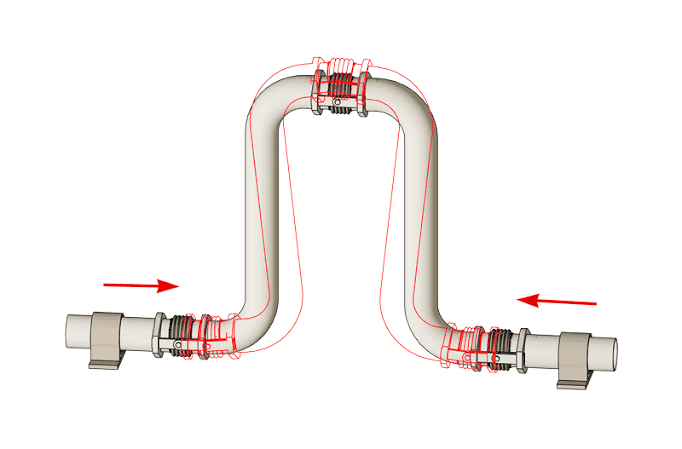
Pipe Stress Analysis is an essential engineering process used to evaluate the behavior, safety, and reliability of piping systems under different operating conditions. Industrial piping is exposed to pressure, temperature changes, mechanical loads, vibration, and Pipe Stress Analysis environmental forces. Without proper analysis, these factors can lead to excessive stress, deformation, equipment damage, or even system failure. A detailed Pipe Stress Analysis helps engineers identify potential problems and develop safer, more efficient piping designs.
What Is Pipe Stress Analysis?
Pipe Stress Analysis is the systematic evaluation of stresses and movements within a piping system. Engineers examine how pipes respond to various loads during installation, operation, shutdown, and other conditions. The analysis considers factors such as internal pressure, pipe weight, thermal expansion, wind, seismic activity, and equipment connections.
The main purpose is to ensure that the piping system remains within acceptable stress limits while maintaining structural integrity. It also helps determine whether pipe supports, anchors, guides, and expansion devices are properly positioned.
Why Pipe Stress Analysis Is Important
Industrial piping systems often operate in demanding environments. High temperatures can cause pipes to expand, while cooling can result in contraction. If this movement is not properly controlled, significant forces can develop at pipe supports and connected equipment.
Pipe Stress Analysis allows engineers to identify these forces before construction begins. By understanding how the piping system will behave, engineers can reduce the risk of cracks, excessive displacement, fatigue, and equipment damage. This proactive approach can improve operational safety and reduce costly maintenance and repairs.
Key Factors Considered in Analysis
Several important factors are evaluated during a Pipe Stress Analysis. Deadweight is one of the basic considerations and includes the weight of pipes, valves, insulation, and other components. Internal pressure creates stress within the pipe wall and must be checked against applicable design requirements.
Temperature is another major factor. Thermal expansion and contraction can create significant displacement and reaction forces. Engineers may use expansion loops, flexible connections, or suitable support arrangements to accommodate this movement.
Other loads can include wind, seismic forces, vibration, relief valve reactions, occasional loads, and pressure thrust. The analysis also evaluates forces and moments transferred to connected equipment such as pumps, compressors, vessels, and heat exchangers.
Benefits of Professional Pipe Stress Analysis
A properly performed analysis provides several benefits. First, it improves safety by identifying potentially dangerous stress conditions before they become operational problems. Second, it supports equipment protection by controlling excessive loads transferred to sensitive machinery and connections.
Pipe Stress Analysis can also help optimize the piping layout. Engineers can determine appropriate support locations and reduce unnecessary material or structural requirements. This can contribute to a more economical design while maintaining the required level of safety and performance.
Another important benefit is improved reliability. Piping systems designed with proper consideration of operating conditions are better prepared to handle temperature changes, pressure fluctuations, and other expected loads throughout their service life.
Applications Across Industries
Pipe Stress Analysis is widely used in industries that depend on complex piping networks. These include oil and gas, petrochemical, chemical processing, power generation, pharmaceutical manufacturing, food processing, and industrial facilities.
Large processing plants may contain thousands of meters of interconnected piping. Analyzing these systems helps engineers understand how individual pipe sections interact with supports and equipment. This is particularly important for high-temperature and high-pressure applications where small design issues can have significant consequences.
Conclusion
Pipe Stress Analysis plays a vital role in creating safe, durable, and dependable piping systems. By evaluating pressure, temperature, weight, thermal movement, environmental forces, and equipment connections, engineers can identify potential weaknesses and improve system performance. Whether used for a new industrial project or an existing piping system, professional analysis can help reduce operational risks, protect equipment, and support long-term reliability. Investing in accurate Pipe Stress Analysis is therefore an important step toward efficient and responsible engineering design.