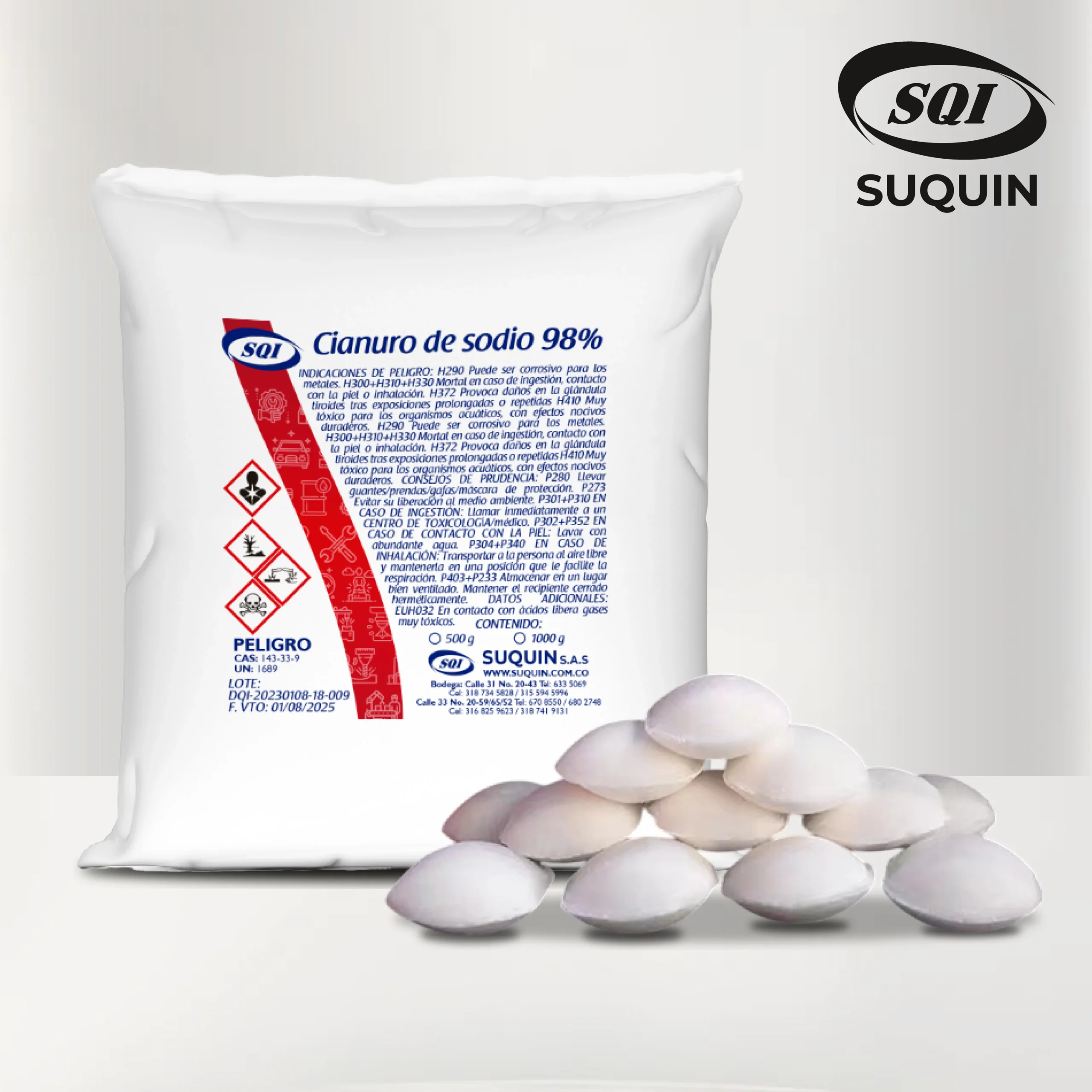
Sodium cyanide is a highly hazardous chemical used in specific industrial processes, including certain metal extraction, electroplating, and chemical manufacturing applications. Because of its extreme toxicity, organizations that work with this substance must place worker protection, environmental responsibility, and emergency preparedness at the center of their operations. Understanding the basic principles surrounding cianuro di sodio can help workplaces establish safer systems without treating the chemical as an ordinary industrial material.
Understanding the Hazards of Sodium Cyanide
Sodium cyanide is dangerous because it can interfere with the body’s ability to use oxygen at the cellular level. Significant exposure can rapidly become life-threatening. The seriousness of the hazard means that workers should never rely on appearance, smell, or personal judgment to determine whether an area is safe.
Exposure can occur through accidental ingestion, contact with contaminated material, or inhalation of hazardous cyanide-containing substances. Certain conditions can also lead to the formation of hydrogen cyanide gas, which is exceptionally dangerous. For this reason, industrial facilities need carefully controlled processes and strong safeguards against unintended chemical reactions.
Why Industrial Safety Procedures Matter
Industrial safety begins with recognizing hazards before work takes place. Facilities using sodium cyanide should conduct formal risk assessments that consider the chemical’s properties, the specific process involved, equipment design, storage arrangements, and possible emergency scenarios.
Written procedures should clearly explain responsibilities, required protective measures, access restrictions, spill response arrangements, and communication protocols. Employees should receive appropriate training before being permitted to work in areas where cyanide compounds are present.
Safety procedures should also be reviewed regularly. Changes in equipment, staffing, production processes, or regulations can introduce new risks. A procedure that was suitable several years ago may not adequately address current workplace conditions.
Safe Storage and Handling Principles
Sodium cyanide should be stored only in locations specifically designed and authorized for hazardous chemicals. Storage areas should be secure, clearly identified, appropriately ventilated where required, and protected from unauthorized access.
Chemical compatibility is particularly important. Cyanide compounds must be kept away from incompatible substances that could produce dangerous reactions. Facilities should follow the safety data sheet and applicable regulations when determining segregation requirements.
Containers should remain properly closed and clearly labeled. Damaged, leaking, or unidentified containers should never be handled casually. Instead, workers should follow the organization’s established hazardous-material response procedure and notify appropriately trained personnel.
Good housekeeping is another important principle. Work areas should be kept organized so that damaged containers, contamination, or equipment problems can be identified quickly.
Personal Protective Equipment
Personal protective equipment, commonly called PPE, is an important layer of protection, but it should not be considered the only safety measure. Facilities should prioritize engineering controls, process controls, and safe operating procedures before relying on PPE.
Depending on the operation and risk assessment, appropriate protective equipment may include chemical-resistant gloves, protective clothing, eye or face protection, and respiratory protection where specifically required. The correct equipment must be selected according to the actual hazard and workplace conditions.
Workers should also understand the limitations of PPE. Equipment must be inspected, maintained, replaced when necessary, and used correctly. Training should cover proper use, removal, contamination control, and disposal procedures.
Engineering and Administrative Controls
Engineering controls can significantly reduce the likelihood of exposure. Enclosed systems, suitable ventilation, automated processes, monitoring equipment, and physical barriers can help separate workers from hazardous substances.
Administrative controls provide another layer of protection. These may include restricted access, written operating procedures, scheduled inspections, training programs, exposure monitoring, and clearly defined responsibilities.
A strong safety program uses multiple layers of protection rather than depending on a single safeguard. If one control fails, another should help prevent the incident from becoming a serious exposure.
Emergency Preparedness
Every facility handling highly toxic chemicals should have an emergency plan appropriate to its operations. The plan should identify evacuation procedures, emergency communication methods, responsibilities, medical response arrangements, and coordination with trained emergency personnel.
Workers should know how to recognize signs of a potential chemical emergency and understand when to leave an affected area. Untrained employees should not attempt to investigate, contain, or clean up a suspected cyanide release.
Emergency equipment and alarms should be maintained and tested according to applicable requirements. Drills can help organizations identify weaknesses in communication and evacuation procedures before a real emergency occurs.
Training and Workplace Awareness
Training is one of the most important components of chemical safety. Employees should understand the hazards associated with sodium cyanide, the facility’s operating procedures, required PPE, warning signs, emergency actions, and reporting requirements.
Training should be understandable and relevant to each employee’s responsibilities. Workers who handle chemicals directly may require different instruction from employees who work nearby but do not participate in chemical operations.
A strong safety culture also encourages employees to report damaged containers, unusual odors or conditions, equipment problems, spills, and procedural concerns without fear of retaliation. Early reporting can prevent minor problems from becoming major incidents.
Environmental Protection
Sodium cyanide safety extends beyond protecting employees. Accidental releases can create serious environmental concerns, particularly when contaminated water or waste reaches areas that are not designed to contain hazardous substances.
Facilities should therefore maintain appropriate containment, waste-management, inspection, and monitoring practices. Disposal should follow applicable environmental and hazardous-waste requirements rather than ordinary waste procedures.
Environmental protection and worker safety often support the same objective: preventing uncontrolled releases and ensuring that hazardous materials remain within properly designed systems.
Regulatory Compliance and Documentation
Organizations handling sodium cyanide should comply with all applicable occupational safety, environmental, transportation, storage, and hazardous-chemical regulations in their jurisdiction. Requirements can vary significantly between countries and industries.
Safety data sheets should be accessible to relevant employees, while chemical inventories and inspection records should be maintained as required. Documentation helps organizations demonstrate compliance and identify opportunities for continuous improvement.
Regular audits can also reveal weaknesses that routine operations might overlook. Corrective actions should be documented, assigned to responsible personnel, and followed through until completion.
Building a Strong Safety Culture
Industrial chemical safety is not achieved through a single training session or a piece of protective equipment. It requires continuous attention from management and employees alike. Leadership should provide appropriate resources, enforce established procedures, investigate incidents, and treat safety as an operational priority.
Employees, meanwhile, should follow procedures, use required protective equipment, participate in training, and report hazards promptly. When everyone understands that preventing exposure is more important than maintaining production speed, the overall workplace becomes safer.
Conclusion
Sodium cyanide requires exceptional care because uncontrolled exposure can have severe and potentially fatal consequences. Effective industrial safety depends on hazard assessment, secure storage, compatible chemical management, engineering controls, appropriate PPE, employee training, emergency preparedness, environmental protection, and regulatory compliance.
The central principle is straightforward: highly toxic chemicals should be managed through carefully designed systems rather than individual guesswork. By combining multiple layers of protection and maintaining a strong culture of responsibility, organizations can significantly reduce the likelihood of accidents while protecting workers, communities, and the environment.