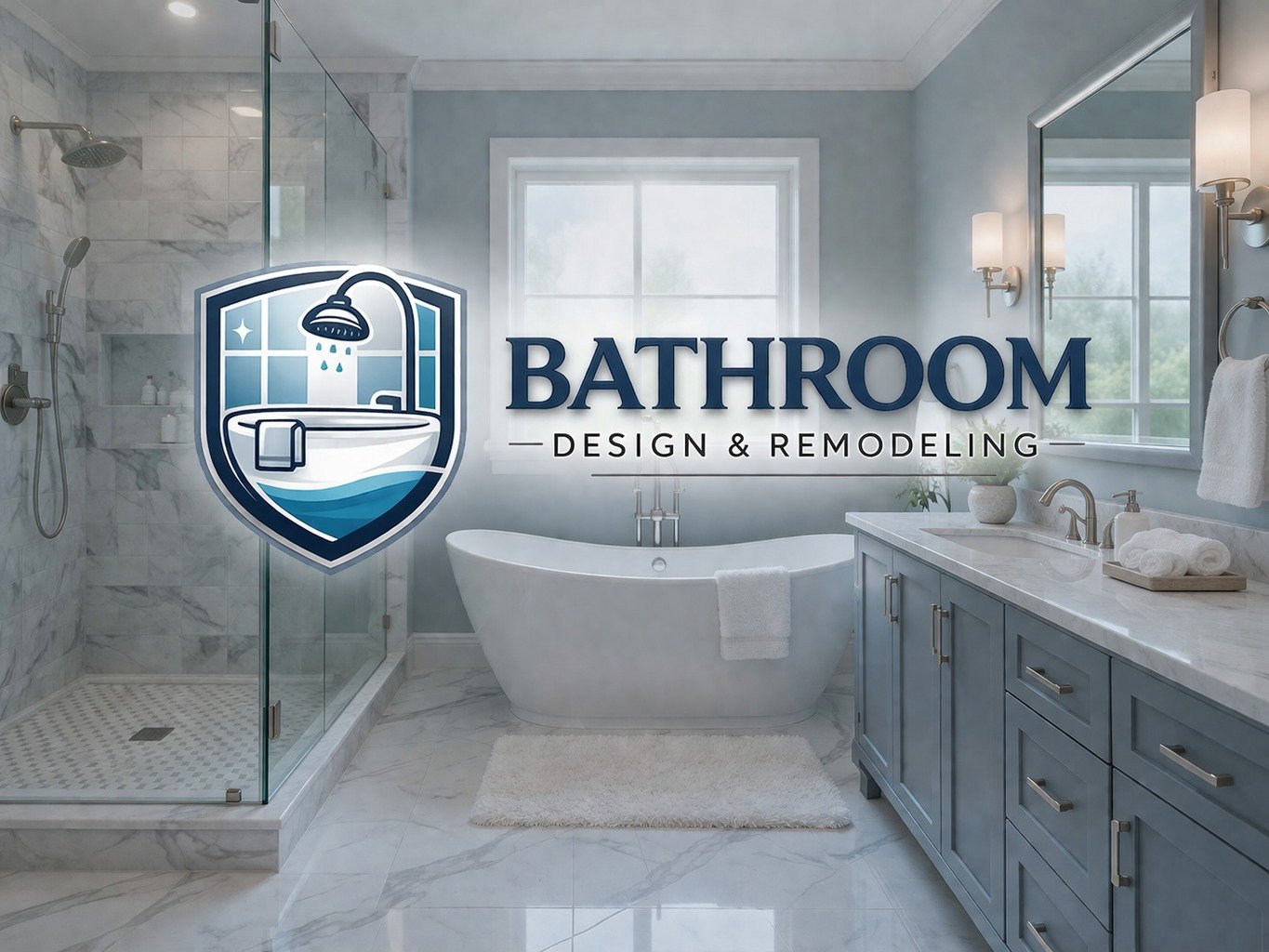
Tub Replacement is one of the most impactful upgrades you can make in a bathroom renovation. Whether you are dealing with an outdated bathtub, cracks, leaks, or simply want a more modern look, replacing your tub can dramatically improve both functionality and aesthetics. This guide covers everything you need to know, from signs you need a replacement to the process, costs, materials, and maintenance tips.
What Is Tub Replacement?
Tub Replacement refers to the process of removing an existing bathtub and installing a new one in its place. This can involve a simple swap where the new tub fits into the same footprint or a more complex renovation that includes plumbing updates, tile work, and layout changes.
Homeowners often choose Tub Replacement during bathroom remodeling projects to enhance comfort, improve water efficiency, or increase property value.
Signs You Need a Tub Replacement
Knowing when to replace your bathtub is essential to avoid bigger plumbing or structural issues later. Here are some common signs:
Visible Damage
Cracks, chips, and stains that cannot be cleaned or repaired indicate that your bathtub has reached the end of its lifespan.
Leaks and Water Damage
If water is leaking from the tub or pooling around the base, it may cause structural damage to floors and walls.
Outdated Design
Older tubs may look worn out or not match modern bathroom aesthetics. A Tub Replacement can instantly refresh the entire space.
Mold and Mildew Problems
Persistent mold growth, even after deep cleaning, can be a sign that the tub surface is deteriorating.
Lack of Comfort or Functionality
If your bathtub is too small, uncomfortable, or inefficient, upgrading through Tub Replacement can significantly improve your bathing experience.
Types of Bathtubs for Replacement
Choosing the right tub is a crucial part of the Tub Replacement process. Here are some popular options:
Alcove Bathtubs
These are the most common tubs and are surrounded by three walls. They are space-saving and ideal for standard bathrooms.
Freestanding Bathtubs
These tubs stand alone and serve as a centerpiece. They are stylish and luxurious but require more space.
Drop-In Bathtubs
Installed into a frame or deck, these tubs offer flexibility in design and are often used in custom bathrooms.
Corner Bathtubs
Designed to fit into corners, these are great for maximizing space in smaller bathrooms.
Walk-In Bathtubs
Perfect for accessibility needs, walk-in tubs are designed for safety and ease of use.
The Tub Replacement Process
Understanding the installation process helps you prepare better and avoid surprises.
Step 1: Removing the Old Tub
The existing bathtub is carefully disconnected from plumbing and removed. This may involve cutting through tiles or wall panels.
Step 2: Inspecting Plumbing and Structure
Before installing the new tub, plumbers inspect pipes, drainage, and surrounding structures for damage or wear.
Step 3: Preparing the Area
The installation area is cleaned, leveled, and prepped for the new bathtub.
Step 4: Installing the New Tub
The new tub is positioned, leveled, and connected to the plumbing system.
Step 5: Sealing and Finishing
Once installed, edges are sealed to prevent water leakage, and surrounding tiles or walls are restored.
Cost of Tub Replacement
The cost of Tub Replacement can vary widely depending on materials, labor, and complexity.
Basic Replacement
A simple swap using a standard acrylic tub may cost less and take only a day or two.
Mid-Range Projects
These often include new fixtures, minor plumbing adjustments, and upgraded materials.
High-End Renovations
Luxury tubs, custom tile work, and major plumbing changes can significantly increase costs.
On average, homeowners should expect a range depending on their choices, but investing in quality ensures long-term durability.
DIY vs Professional Tub Replacement
While some homeowners consider DIY Tub Replacement to save money, it is not always recommended.
DIY Replacement
- Suitable for experienced individuals
- Lower labor costs
- Risk of plumbing mistakes or improper installation
Professional Installation
- Ensures proper plumbing and sealing
- Faster and safer process
- Comes with warranty and expertise
For most homeowners, hiring a professional is the safer and more reliable option.
Best Materials for Bathtub Replacement
Material choice plays a big role in durability and maintenance.
Acrylic
Lightweight, affordable, and easy to clean. One of the most popular choices for Tub Replacement.
Fiberglass
Budget-friendly but less durable compared to other materials.
Cast Iron
Extremely durable and retains heat well, but very heavy and expensive.
Porcelain-Enameled Steel
Strong and shiny but can chip over time.
Stone Resin
Luxurious and modern, offering excellent durability and design appeal.
Maintenance Tips After Tub Replacement
Once your Tub Replacement is complete, proper care will extend its lifespan.
Regular Cleaning
Use mild cleaners to avoid damaging the surface.
Avoid Harsh Chemicals
Strong chemicals can wear down finishes and cause discoloration.
Check for Leaks
Periodically inspect seals and faucets to prevent water damage.
Recaulk When Needed
Replace old caulking to maintain waterproof protection.
Benefits of Tub Replacement
Investing in Tub Replacement offers several advantages:
Improved Aesthetics
A new bathtub instantly modernizes your bathroom.
Increased Home Value
Bathroom upgrades are highly attractive to potential buyers.
Better Efficiency
Modern tubs often use water more efficiently.
Enhanced Comfort
New designs provide better ergonomics and relaxation.
Reduced Maintenance
New materials are easier to clean and maintain.
Common Mistakes to Avoid
When planning Tub Replacement, avoid these pitfalls:
Ignoring Plumbing Issues
Always inspect plumbing before installation.
Choosing the Wrong Size
Improper sizing can lead to installation problems.
Skipping Professional Help
DIY mistakes can become costly repairs.
Overlooking Ventilation
Proper airflow prevents mold and moisture buildup.
Final Thoughts
Tub Replacement is more than just swapping out an old bathtub—it is an investment in comfort, style, and home value. Whether you are upgrading for aesthetic reasons or fixing functional issues, choosing the right materials, installation method, and design will ensure long-lasting results. With proper planning and maintenance, your new bathtub can serve as a relaxing centerpiece of your bathroom for years to come.