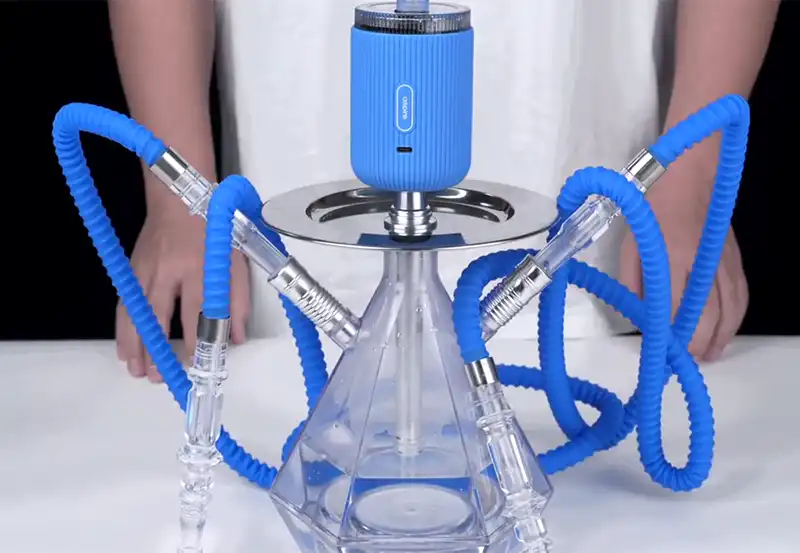
Hookah smoking has been a social tradition for centuries, originating in the Middle East and spreading across many cultures worldwide. Traditionally, hookah involves a water pipe, flavored tobacco, charcoal, and a group of people sharing the experience. In recent years, however, modern technology has introduced a new alternative known as the electronic hookah. This innovation has changed how people enjoy hookah by offering a smoke-free, more convenient experience.
Understanding the difference between an electronic hookah and a traditional hookah is important for anyone curious about modern smoking alternatives. While both aim to provide a flavorful and relaxing experience, the way they function, the materials they use, and the overall user experience are quite different.
Understanding the Concept of an Electronic Hookah
An electronic hookah is a device designed to simulate the experience of smoking a traditional hookah without burning tobacco or charcoal. Instead of using real tobacco and heat, the electronic hookah works through a battery-powered heating system that vaporizes flavored liquid. This liquid, often referred to as e-liquid or hookah juice, produces vapor rather than smoke.
Because it uses vapor instead of smoke, an electronic hookah is often considered a cleaner alternative. The device usually includes a rechargeable battery, a heating coil, a liquid cartridge or tank, and a mouthpiece. When the user inhales, the heating element activates and converts the liquid into vapor that can be inhaled and exhaled.
This process eliminates the need for charcoal, ash, and the complex setup associated with traditional hookah.
How Traditional Hookah Works
A traditional hookah is a water pipe used to smoke flavored tobacco, commonly called shisha. The system includes several components: a bowl for the tobacco, a tray for ash, a water base, a hose, and a mouthpiece. Charcoal is placed on top of the tobacco to heat it, producing smoke that passes through water before reaching the user.
The smoke is cooled by the water, which makes it smoother to inhale. Traditional hookah sessions often last for an hour or longer and are usually enjoyed in social settings like hookah lounges or gatherings with friends.
However, the setup process can take time. Users must prepare the tobacco, light the charcoal, maintain the heat, and clean the equipment afterward.
Core Technology Behind Electronic Hookah
The technology behind an electronic hookah is similar to other vaporizing devices. Instead of burning substances, it relies on controlled heating. Inside the device, a coil heats the liquid solution stored in a cartridge or tank. This liquid contains flavorings and other ingredients that turn into vapor when heated.
Many electronic hookah devices are designed to be simple and portable. Some are disposable, while others are rechargeable and refillable. This flexibility allows users to choose devices based on convenience, cost, and personal preference.
Unlike traditional hookah, which requires a large setup and multiple accessories, the electronic hookah can often be used immediately after removing it from the package.
Differences in Smoke Versus Vapor
One of the biggest differences between a traditional hookah and an electronic hookah is the type of inhalation produced. Traditional hookah produces smoke from burning tobacco and charcoal. This smoke contains combustion byproducts such as ash and carbon monoxide.
An electronic hookah, on the other hand, produces vapor instead of smoke. Vapor is created through heating rather than burning. Because there is no combustion process, the resulting vapor typically contains fewer byproducts compared to traditional hookah smoke.
For many users, this difference is one of the main reasons they choose an electronic hookah over a traditional setup.
Setup and Convenience
Convenience is another key difference between these two options. A traditional hookah requires preparation. Users must pack the bowl with shisha, place foil or a screen on top, light charcoal, and manage the heat throughout the session.
In contrast, an electronic hookah requires minimal preparation. Most devices simply need to be charged or have a cartridge inserted. Once the device is ready, the user can start vaping immediately.
This ease of use makes the electronic hookah appealing for people who want the hookah experience without the lengthy setup process.
Portability and Design
Traditional hookahs are often large and designed to stay in one place. Even smaller versions still require water, charcoal, and multiple parts. Because of this, they are not always convenient for travel.
An electronic hookah is typically compact and lightweight. Many models resemble pens, small cylinders, or portable devices that easily fit into a pocket or bag. This portability allows users to enjoy flavored vapor almost anywhere.
Modern designs also include stylish features such as LED lights, sleek finishes, and ergonomic shapes that make the electronic hookah feel more like a modern gadget than a traditional smoking device.
Flavor Options and Variety
Flavor variety is important for both traditional and modern hookah users. Traditional shisha comes in a wide range of flavors, including fruit blends, mint, dessert-inspired options, and exotic mixtures.
The electronic hookah expands these possibilities even further. E-liquid formulas can offer hundreds of flavor combinations. Users can switch flavors quickly by changing cartridges or refilling tanks.
This flexibility allows people to experiment with different tastes without needing to prepare new bowls of shisha each time.
Social Experience and Culture
Traditional hookah is strongly tied to cultural traditions and social gatherings. People often sit together around a hookah pipe, passing the hose and sharing conversation for long periods.
While an electronic hookah can also be shared in casual settings, it tends to be more of an individual experience. Because the devices are portable and personal, users often carry their own devices instead of sharing one large setup.
For some people, this shift from communal smoking to individual vaping changes the overall atmosphere of the experience.
Maintenance and Cleaning
Cleaning and maintenance are important considerations when choosing between a traditional hookah and an electronic hookah.
Traditional hookahs require frequent cleaning to remove residue, ash, and water buildup. Each component must be washed and dried to maintain flavor quality and hygiene.
An electronic hookah requires less maintenance. Most devices only need occasional cartridge replacement, coil changes, or charging. Disposable versions eliminate maintenance entirely since they are discarded after use.
This lower maintenance requirement is another reason why many users prefer electronic hookah devices.
Cost Considerations
The cost structure for traditional hookah and electronic hookah is also different. A traditional hookah setup may involve purchasing the hookah pipe, shisha tobacco, charcoal, foil, and cleaning supplies. Over time, these costs can add up depending on how frequently the hookah is used.
With an electronic hookah, the primary costs usually include the device itself and the cartridges or liquid refills. Some devices are inexpensive disposables, while advanced models may require a larger initial investment.
Depending on usage habits, either option may be more cost-effective for different users.
Final Thoughts on Electronic Hookah Versus Traditional Hookah
The differences between a traditional hookah and an electronic hookah go far beyond appearance. They involve distinct technologies, preparation methods, cultural experiences, and levels of convenience.
Traditional hookah continues to hold a strong place in social traditions and group gatherings, offering a ritualistic experience built around preparation and sharing. The electronic hookah, however, represents a modern alternative designed for portability, simplicity, and variety.