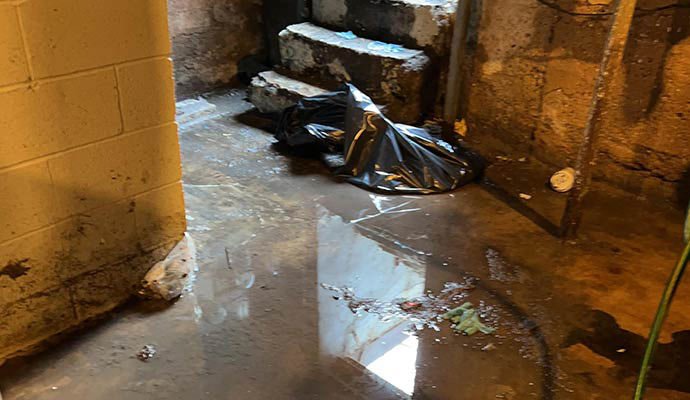
Experiencing a flooded basement can be overwhelming for any homeowner. Water intrusion can cause structural damage, mold growth, and loss of valuable belongings. Acting quickly and efficiently is crucial to minimize damage and restore your home. This guide provides a comprehensive step-by-step approach to basement flood cleanup, ensuring that homeowners are well-prepared to handle the situation safely and effectively.
Understanding the Causes of Basement Flooding
Before diving into cleanup, it is essential to understand why basements flood. Common causes include heavy rainfall, clogged gutters, broken pipes, foundation cracks, and sewer backups. Recognizing the source of water helps prevent future incidents and ensures proper cleanup procedures are followed. Basement flood cleanup requires addressing both the water already in the space and the underlying causes to prevent recurring problems.
Ensuring Safety Before Cleanup
Safety is the top priority during any basement flood cleanup. Water in basements can be contaminated, especially if it originates from a sewer backup or stormwater. Homeowners should wear protective gear such as gloves, waterproof boots, and masks. Electrical hazards are also a significant concern. Make sure to turn off electricity at the main breaker and avoid contact with electrical appliances in standing water. Safety precautions reduce the risk of injury and exposure to hazardous materials during the cleanup process.
Assessing the Damage
Once it is safe to enter, assessing the damage is the next step in basement flood cleanup. Begin by inspecting the extent of water intrusion, checking for structural damage, and documenting losses for insurance purposes. Take photographs of damaged areas, furniture, and personal items. This assessment helps determine what can be salvaged, what needs repair, and whether professional assistance is required. Proper documentation is also essential for filing insurance claims efficiently.
Removing Standing Water
The core of basement flood cleanup involves removing standing water as quickly as possible. Use a submersible pump for large amounts of water or a wet/dry vacuum for smaller pools. Be cautious of slippery surfaces and hidden hazards under the water. Prompt water removal reduces the risk of mold growth and structural damage. For severe flooding, homeowners may need to call a professional basement flood cleanup service to ensure thorough water extraction.
Drying and Dehumidifying the Basement
After removing standing water, the basement must be dried completely to prevent mold and mildew growth. Open windows and doors to improve ventilation if weather permits. Use fans, air movers, and dehumidifiers to accelerate drying. Monitor humidity levels regularly and maintain airflow until the basement is fully dry. Effective drying is a critical component of basement flood cleanup because residual moisture can lead to long-term damage and health issues.
Cleaning and Disinfecting Surfaces
Floodwaters often carry dirt, bacteria, and chemical contaminants. Cleaning and disinfecting all affected surfaces is essential during basement flood cleanup. Scrub walls, floors, and any salvageable items with a mixture of water and mild detergent. Follow with a disinfectant solution to eliminate harmful pathogens. Pay special attention to areas prone to mold growth, including corners, baseboards, and drywall. Proper cleaning ensures a safe and healthy environment after flooding.
Removing Damaged Materials
Not all items can be saved after a basement flood. Porous materials such as carpets, rugs, upholstered furniture, and drywall may absorb water and become breeding grounds for mold. During basement flood cleanup, it is important to remove and discard these damaged materials. Non-porous items like metal, glass, and certain plastics can often be cleaned and restored. Removing compromised materials helps prevent further contamination and prepares the space for repairs.
Inspecting and Repairing Structural Damage
Basement flooding can weaken a home’s structural integrity. Inspect walls, floors, and the foundation for cracks or other signs of damage. Small cracks may be repaired with epoxy or sealants, while extensive damage may require professional repair. Addressing structural issues promptly is a crucial step in basement flood cleanup to ensure the safety and longevity of the property.
Preventing Mold and Mildew Growth
Mold and mildew can develop within 24 to 48 hours after flooding if moisture remains. After drying and cleaning, inspect the basement regularly for any signs of mold. Consider applying mold-resistant paint or coatings to vulnerable surfaces. Keep humidity levels low and ensure proper ventilation to prevent future mold outbreaks. Taking preventive measures is an essential part of effective basement flood cleanup and long-term home maintenance.
Restoring Your Basement
Once the basement is dry, clean, and free from mold, homeowners can begin restoration. Replace damaged flooring, drywall, and insulation as needed. Move back furniture and belongings, ensuring they are completely dry before placing them in the basement. Consider upgrading sump pumps, drainage systems, or waterproofing measures to reduce the risk of future flooding. A thorough restoration completes the basement flood cleanup process and restores the space to a safe, usable condition.
Hiring Professional Assistance
In some cases, the severity of flooding may require professional help. Licensed basement flood cleanup companies have the equipment and expertise to handle extensive water damage, contaminated water, and mold remediation. Hiring professionals can save time, ensure thorough cleanup, and prevent long-term issues. Even if homeowners choose to handle minor flooding themselves, consulting experts for guidance is a wise precaution.
Insurance and Documentation
Dealing with insurance claims is often part of the basement flood cleanup process. Keep detailed records of the damage, repairs, and restoration costs. Contact your insurance provider promptly to report the incident and understand your coverage. Proper documentation and communication with insurers can facilitate quicker reimbursement and minimize financial strain.
Maintaining a Flood-Ready Basement
Preventing future flooding is as important as cleanup. Regular maintenance, such as cleaning gutters, inspecting the foundation, and installing sump pumps or backflow valves, can reduce the likelihood of basement flooding. Homeowners should also consider flood insurance if they live in high-risk areas. Proactive measures help minimize damage and make any necessary basement flood cleanup less stressful.
Conclusion
Basement flood cleanup is a challenging but manageable task when approached systematically. From ensuring safety and removing standing water to drying, disinfecting, and restoring the space, each step plays a vital role in protecting your home. By following this step-by-step guide, homeowners can minimize damage, prevent mold growth, and restore their basements efficiently. For severe flooding, professional assistance ensures a thorough cleanup and provides peace of mind. Effective basement flood cleanup is not just about addressing the immediate water damage but also about safeguarding your home for the future.
This guide empowers homeowners with the knowledge and tools needed for comprehensive basement flood cleanup, helping them recover from flooding incidents safely and effectively while preventing long-term issues.