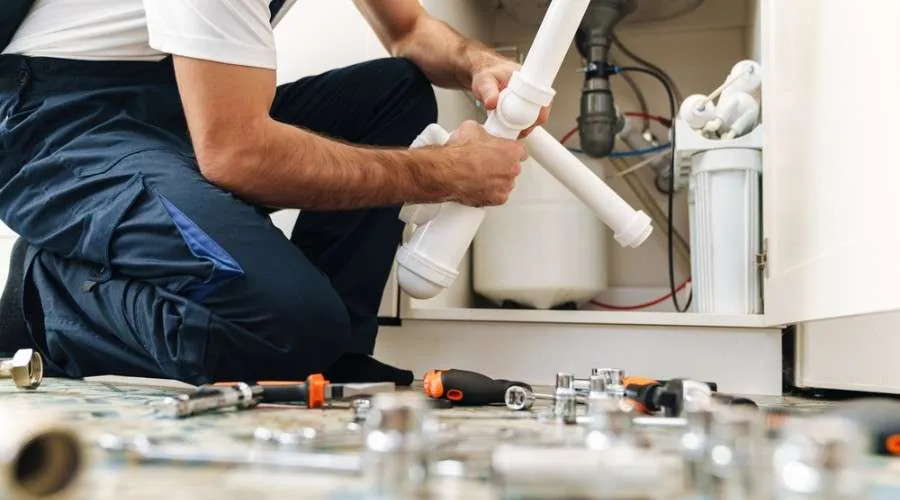
Plumbing issues can strike at the most inconvenient times. From burst pipes in the middle of the night to sudden leaks under your sink, emergency plumbing situations can quickly turn into a homeowner’s nightmare. While you can’t always prevent plumbing emergencies, proper preparation can save time, money, and stress when disaster strikes. This guide will walk you through how to prepare for emergency plumbing, ensuring your home stays safe and functional.
Understanding Emergency Plumbing
Emergency plumbing refers to urgent plumbing issues that require immediate attention. Unlike minor leaks or clogs that can wait a day or two, emergency plumbing situations can cause significant water damage, property loss, and even health hazards if not handled promptly. Common examples include burst pipes, sewer backups, gas leaks related to plumbing, and major water heater failures.
Being prepared for these emergencies isn’t just about reacting quickly—it’s about having a proactive plan that limits damage and ensures you can get professional help when needed.
Signs You Need Immediate Attention
Recognizing the signs of an emergency plumbing situation is crucial. Some warning signals include:
- Sudden loss of water pressure in your home
- Water pooling or flooding in areas that should be dry
- Strange noises in pipes, such as banging or gurgling
- Foul odors coming from drains or toilets
- Visible leaks from pipes, faucets, or water heaters
If you notice any of these signs, it’s important to act immediately. Delaying action can worsen the situation, increase repair costs, and cause irreversible damage to your property.
Essential Tools for Emergency Plumbing
Having a basic toolkit for emergency plumbing can make a big difference before professional help arrives. Some essential tools include:
- Adjustable wrench for shutting off valves or tightening fittings
- Pipe wrench for larger pipe repairs
- Plunger for clogged drains or toilets
- Pipe tape for temporary sealing of small leaks
- Bucket and towels to manage water spills
- Flashlight in case of power outages during emergencies
These tools can help you control a situation temporarily, minimizing water damage and giving you time to contact an emergency plumber.
How to Shut Off Water Safely
One of the most critical steps in managing any emergency plumbing issue is knowing how to shut off your water supply. Most homes have a main shutoff valve located near the water meter. In the event of a burst pipe or major leak, turn off this valve immediately to prevent flooding.
Additionally, knowing how to shut off water to individual fixtures, such as sinks, toilets, and washing machines, can help manage localized leaks without disrupting your entire household. Practice locating and operating these valves periodically so you are not searching blindly during a crisis.
Creating a List of Trusted Emergency Plumbers
Having a reliable plumber on speed dial can save you precious time. Research local plumbing services that offer 24/7 emergency plumbing assistance. When creating your list, consider the following:
- Response time for emergencies
- Availability outside regular business hours
- Reviews or recommendations from other homeowners
- Licensing and insurance status
Keep this list in an easily accessible place, such as on your refrigerator, phone contacts, or home management binder, so you can act immediately during an emergency.
Preventive Measures to Avoid Emergencies
Preparation is not only about reacting—it’s also about prevention. Taking proactive steps can reduce the likelihood of emergency plumbing issues. Some preventive measures include:
- Inspecting pipes regularly for corrosion, leaks, or damage
- Avoiding the disposal of grease, fats, and non-flushable items in drains
- Installing water leak detectors in vulnerable areas like basements or under sinks
- Scheduling regular maintenance for water heaters, sump pumps, and sewage systems
By incorporating these preventive measures, homeowners can minimize the risk of major plumbing disasters and reduce the need for emergency plumbing services.
Handling Common Emergency Situations
Even with preparation, plumbing emergencies can still occur. Here’s how to handle some common situations safely:
Burst Pipes:
Turn off the main water supply immediately. Open faucets to relieve pressure and drain remaining water from the system. Use towels or buckets to contain flooding and call an emergency plumber for repair.
Clogged Drains or Toilets:
Attempt to clear minor clogs using a plunger. Avoid using chemical drain cleaners, as they can worsen pipe damage. For severe blockages, contact an emergency plumber to prevent backups and overflows.
Water Heater Malfunctions:
If your water heater leaks or stops working suddenly, shut off the water supply and power source (electricity or gas). Emergency plumbers can assess and repair or replace the unit as needed.
Sewer Backups:
This is a serious health hazard. Avoid contact with sewage, evacuate the affected area, and call an emergency plumber immediately.
Emergency Plumbing and Insurance
Homeowners insurance often covers certain types of water damage, especially sudden and accidental incidents like burst pipes. However, damage resulting from neglect or lack of maintenance may not be covered. Keep records of regular maintenance, inspections, and emergency repairs to support insurance claims if necessary. Understanding your policy can save additional stress during an already challenging situation.
Preparing Your Family
Emergency plumbing doesn’t just affect the home—it impacts your family’s routine and safety. Make sure everyone in your household knows:
- The location of main and individual shutoff valves
- How to safely handle minor leaks or flooding
- Who to call for emergency plumbing services
- Basic safety precautions, like avoiding electrical outlets in flooded areas
Educating your family ensures everyone can respond effectively and minimizes panic during an emergency.
Final Thoughts
Emergency plumbing is an inevitable part of homeownership, but preparation makes all the difference. By understanding potential emergencies, assembling essential tools, knowing how to shut off water, having a trusted plumber list, and practicing preventive measures, you can handle plumbing crises with confidence.
A well-prepared homeowner can not only prevent extensive damage but also ensure the safety and comfort of everyone in the household. Start today by reviewing your home’s plumbing systems, stocking necessary tools, and creating an emergency plan. Being proactive now can save you from costly repairs and stress in the future.